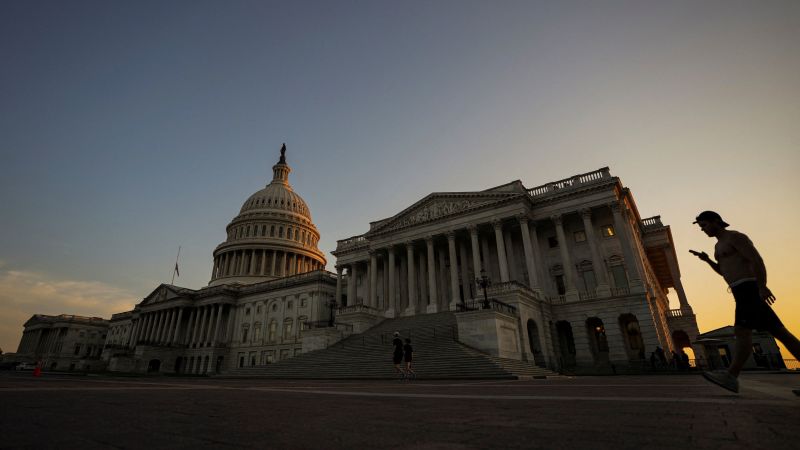

The US House recently passed a measure to implement year-round Daylight Saving Time, prompting debates on its implications for American life. Supporters argue it benefits health and productivity, while opponents highlight potential economic drawbacks, especially for farmers.
Overview of the Legislation
The US House voted decisively in favor of a measure to enact year-round Daylight Saving Time, known as the Sunshine Protection Act, with a vote tally of 308 to 117. The bill is set to advance to the Senate for further consideration before it reaches the President’s desk for final approval. Proponents see this change as a way to spare Americans from the biannual clock adjustments that disrupt sleep patterns and contribute to seasonal depression.
However, the legislation is not without its critics. Farmers express concerns about later sunrises which could impact their productivity and routines. The debate reflects a broader national conversation about the necessity and impact of Daylight Saving Time, which has been a tradition in the US for many years.
Political Perspectives on the Bill
Former President Donald Trump has voiced his support for the bill, stating in a Truth Social post that the clock changes incur significant costs and have no clear benefits. His enthusiasm is shared by various advocacy groups, which emphasize the potential advantages, including increased recreational activities and reduced crime rates due to longer daylight hours.
However, not all lawmakers align with this viewpoint. Some, especially those representing agricultural districts, warn that a switch to permanent Daylight Saving Time could negatively impact farmers who depend on natural light early in the day. The divide raises questions about how a shift in time regulation could influence different sectors of the economy.
Public Sentiment and Historical Context
Polling data suggests that while Americans largely desire an end to clock changes, there is significant disagreement regarding the best approach. Some favor an indefinite Daylight Saving Time, while others advocate for permanent Standard Time, citing potential health benefits for children and families.
Historically, Congress has previously experimented with permanent Daylight Saving Time during the 1970s amid an energy crisis, but public backlash forced a reversal. This history looms over current discussions, as some lawmakers reference it as a cautionary tale against making lasting changes without thorough public support and scientific backing.
Why This Is Trending
Indians are increasingly curious about the implications of Daylight Saving Time due to rising globalization and interest in international policies that affect daily life. With many Indians living abroad or working with global companies, understanding such legislative changes in a powerhouse like the US draws attention. Additionally, discussions around mental health, productivity, and time management resonate well in Indian society, making this a relevant topic for many.
Frequently Asked Questions
What is the Sunshine Protection Act?
The Sunshine Protection Act aims to implement year-round Daylight Saving Time across the United States, eliminating the need for biannual clock changes.
What are the potential benefits of permanent Daylight Saving Time?
Proponents argue that it could lead to healthier sleeping patterns, increased recreational activities, reduced crime rates, and significant economic benefits due to extended daylight hours.
What concerns do opponents raise?
Opponents highlight potential economic challenges, particularly for farmers who rely on early daylight for productivity. They also worry about safety concerns for children commuting to school in darker mornings.
Has Congress attempted this before?
Yes, Congress has previously adopted permanent Daylight Saving Time during the 1970s, but the measure was reversed due to public dissatisfaction.