
In a significant policy shift, the Government of India will now screen all children from birth to 18 years for diabetes and offer free, lifelong treatment through the public health system. This initiative expands the Rashtriya Bal Swasthya Karyakram (RBSK) to confront the increasing incidence of diabetes among younger populations.
The Union Ministry of Health released a guidance document at a national public health summit, establishing a structured national framework focused on the screening, diagnosis, treatment, and long-term management of childhood diabetes. The approach integrates community and school-based screening with district-level care to ensure early detection and ongoing treatment.
This initiative is part of the revamped RBSK 2.0, which now adopts a lifecycle approach from birth to 18 years. It expands the existing “4Ds” framework to include non-communicable diseases like diabetes, alongside mental health issues and behavioral conditions. The guidelines highlight rising lifestyle risks, such as poor diet, decreased physical activity, and increased screen time, and propose the introduction of digital tracking systems for improved continuity of care.
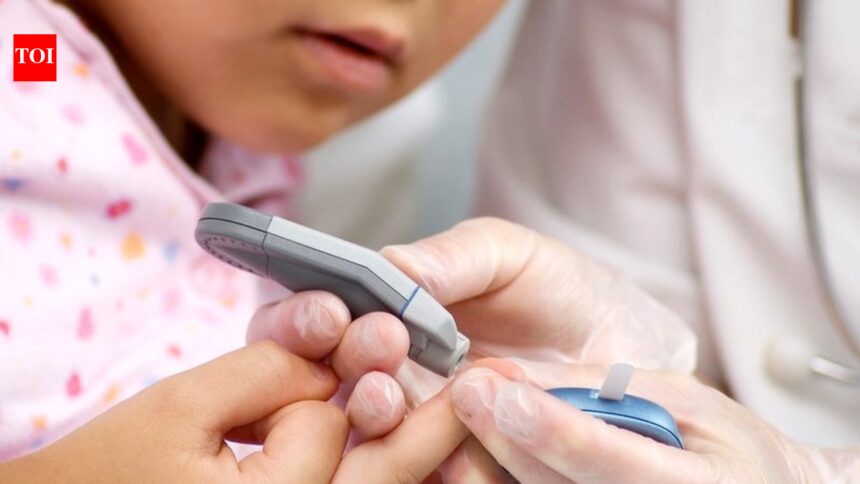
Mobile health teams will conduct screenings in schools and anganwadi centers, looking for symptoms associated with diabetes, including frequent urination, excessive thirst, fatigue, and unexplained weight loss—known as the “4Ts” warning signs. Suspected cases will receive immediate blood glucose testing and will be referred to district non-communicable disease (NCD) clinics for confirmation and treatment.
Concerns are growing regarding diabetes among younger individuals. While Type 1 diabetes is the most prevalent form seen in children, there is an increasing incidence of Type 2 diabetes among adolescents, primarily attributed to rising levels of obesity and sedentary lifestyles. Experts stress the importance of preventive measures, with Dr. Jugal Kishore, Director Professor and former Head of Community Medicine at Vardhman Mahavir Medical College and Safdarjung Hospital, noting that early lifestyle changes, especially during school years, are essential for long-term health.
District hospitals are set to serve as the foundation for care, providing a comprehensive free package. This includes diagnostic services, lifelong insulin therapy, glucometers, test strips, and regular follow-up. Additionally, the program will offer counseling and training for families on insulin usage, monitoring, and emergency care.
The framework effectively connects early detection with advanced treatment options, employing standardized protocols to prevent complications. Officials assert that timely diagnosis contributes to normal growth and improved health outcomes. The initiative aims to lower mortality rates, alleviate financial burdens on families, and ensure uninterrupted access to care, with implementation now the focus.