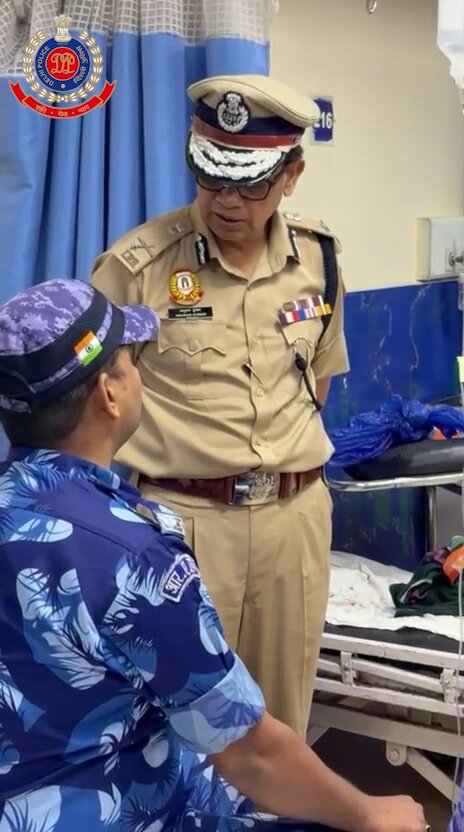

During a protest in Delhi, over 118 police personnel, including senior officers, were reported injured while managing the unrest. The incident has prompted a visit from Special Commissioner Anurag Kumar, who reached out to injured officers in the hospital, emphasizing the sacrifices made in service to duty.
Context of the Protest
The demonstrations in Delhi have emerged against various socio-political issues, with different groups expressing their dissent. The scale and intensity of the protests reflect growing frustrations within segments of the populace regarding governmental policies and administrative decisions. As major cities like Delhi continue to experience unrest, the response from law enforcement becomes crucial in maintaining order.
Police Response and Injury Reports
Recent reports revealed that more than 118 police officers from the ranks of Special Commissioners to Deputy Commissioners were injured in the line of duty during the protests. This highlights the escalating tensions during demonstrations and the challenges faced by law enforcement. The reported injuries resonate with the theme of sacrifice and commitment to public duty, an inscription noted by Special Commissioner Anurag Kumar during his hospital visit to the injured officers.
The Role of Law Enforcement in Civil Unrest
Police forces are often tasked with maintaining public order amidst civil unrest, requiring them to navigate complex social dynamics. The injuries sustained during these protests raise questions about their preparedness and the strategies employed to handle large-scale unrest. While police face criticism for their methods, the physical toll on officers indicates the dangerous nature of their role in such scenarios—where their duty to protect and serve often comes at a personal cost.
Why This Matters
The ongoing protests and resulting injuries to police personnel underscore a critical moment in Indian political life. As the public expresses discontent, it tests the limits of democratic engagement in a country committed to free expression. The injuries to law enforcement highlight the potential for escalation in civic disruptions, which can lead to policy changes and shifts in public sentiment. Furthermore, the government’s ability to manage these incidents effectively will influence voter perceptions and political stability in the future.
Frequently Asked Questions
What were the main reasons behind the protests in Delhi?
The protests stem from various socio-political grievances, prompting citizens to voice their discontent with government policies and decision-making processes.
How did the police respond to the protests?
Law enforcement implemented measures to control the demonstrations, which unfortunately resulted in numerous injuries among officers due to confrontational situations.
What did Special Commissioner Anurag Kumar do during the protests?
Special Commissioner Anurag Kumar visited hospitals to meet with injured personnel, expressing gratitude for their service and encouraging them through their recovery.
Why is public sentiment important in the context of these protests?
Public sentiment plays a pivotal role in shaping political discourse, influencing policy decisions, and reflecting the collective mood of the populace—thereby directly impacting the government’s future standing and approach to governance.