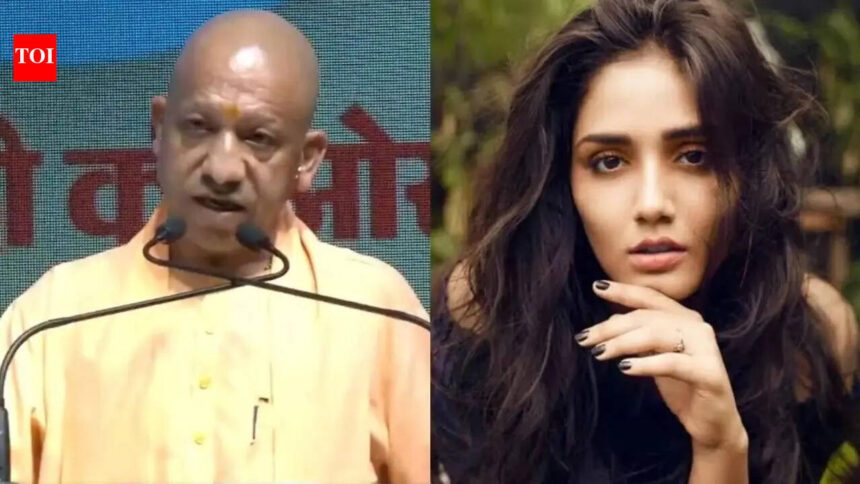

The father of Twisha Sharma, whose body was discovered at her in-laws’ residence in Bhopal, has called for a new autopsy to be conducted at AIIMS-Delhi, alleging a possible cover-up in the investigation. Navnidhi Sharma has dismissed claims that his daughter was using drugs, instead accusing his son-in-law of being a “major drug addict.” He expressed his outrage over the anticipatory bail granted to his former judge mother-in-law and is demanding an independent investigation overseen by the Supreme Court.
In another development, Uttar Pradesh Chief Minister Yogi Adityanath has issued a stern warning regarding the practice of offering namaz on public roads. He stated that if individuals do not comply with moving to designated worship areas, “we have other methods” to address the situation. Adityanath emphasized that public movement must not be disrupted and proposed a shift system for prayers.
Additionally, the newly formed government in West Bengal, led by Chief Minister Suvendu Adhikari, has made significant changes by terminating all religion-based schemes in the state and abolishing the state OBC (Other Backward Classes) list. This decision represents one of the first major policy initiatives of the BJP-led administration following the recent assembly elections.
Meanwhile, India has reaffirmed its commitment to purchasing Russian crude oil despite any U.S. sanctions waivers. A senior official from the petroleum ministry confirmed that India has been sourcing oil from Russia since before the waiver period and continues to do so, with Russian oil imports reaching a record high of 2.3 million barrels per day in May.
Lastly, Iran’s Supreme National Security Council has announced the establishment of a new authority aimed at managing the Strait of Hormuz amidst ongoing instability in the region. The Persian Gulf Strait Authority (PGSA) will oversee operations and plans to implement tolls on ships passing through the strategically vital strait, which Iran has reportedly closed off.