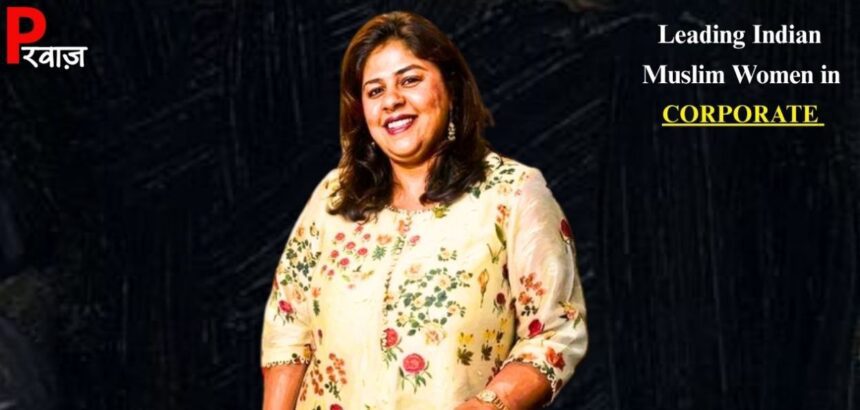

In recent years, the narrative around the economic and social empowerment of Indian Muslims has gained both visibility and critique, particularly under the governance of the BJP and affiliated groups like the Sangh. Among the significant figures in this landscape is Farah Malik Bhanji, the Managing Director of Metro Brands and recognized as India’s richest Muslim woman. Her leadership in a traditionally male-dominated industry stands as a counterpoint to the prevailing challenges of discrimination and economic marginalization faced by many in her community.
The Legacy of Metro Brands: A Beacon of Empowerment
Farah Malik Bhanji has turned her family’s legacy into a thriving business empire worth Rs 26,000 crore. The journey of Metro Brands can be traced back to 1955 when her grandfather opened the first ‘Metro Shoes’ store in Mumbai. Farah’s father, Rafique Malik, expanded the brand after inheriting it, laying the foundation for Metro as a national entity. Despite societal implications of her faith, Farah has brought innovation through digitization, shaping a customer-centric approach that includes a unique management model based on commission-sharing among store managers.
Challenges in Leadership: Gender and Community
As a woman leading a major Indian brand, Farah has faced significant hurdles. The footwear industry has predominantly been a male-dominated sector where earning respect was an initial challenge for her. She acknowledges that her father’s encouragement to learn from mistakes has been pivotal in her success. Yet this journey illustrates a larger narrative for Muslim women in India, navigating societal and economic barriers exacerbated by systemic discrimination. The increased scrutiny and biases against Muslims in India raise questions about equitable opportunities for leadership in business and beyond.
Social Context: The Impact of Discrimination
The backdrop of Farah’s entrepreneurial journey occurs in a milieu where economic boycotts and social exclusion against Muslims are palpable. Studies have indicated a rising trend in economic disenfranchisement, fueled by political rhetoric that often sidelines the contributions of minorities. The Modi government’s policies and the Sangh’s ideology have been scrutinized for fostering an environment where individuals are judged by religion, affecting their economic prospects. While Farah’s success story stands as an example of personal achievement, it also raises questions about the accessibility of similar opportunities for others within her community.
Why It Matters
The intersection of gender, religion, and economic empowerment is vital for understanding the broader social fabric of India. Farah Malik Bhanji’s narrative sheds light on both achievements and the prevalent disparities that persist. Despite her status, the challenges she faces mirror those of many Muslim women and men who strive for equality in an increasingly polarized atmosphere. Recognizing such dynamics is crucial for policymakers, businesses, and civil society organizations focused on fostering inclusive growth and dismantling long-standing barriers that impede progress for marginalized communities.
Frequently Asked Questions
Who is Farah Malik Bhanji?
Farah Malik Bhanji is the Managing Director of Metro Brands and recognized as India’s richest Muslim woman. Under her leadership, the company has expanded significantly, shifting from a single store to over 800 retail locations across India.
What challenges do Muslim women face in India?
Muslim women in India often encounter barriers rooted in both gender discrimination and social exclusion. Many grapple with limited access to financial resources, leadership opportunities, and face biases that can impede their social mobility.
How has the BJP government impacted the economic opportunities of Muslims?
The BJP government has faced criticism for policies perceived to marginalize minority groups, including Muslims. Economic boycotts and social discrimination have been reported, which can limit access to business opportunities and resources for these communities.
What has been Farah Bhanji’s contribution to the footwear industry?
Farah Bhanji has integrated modern technologies like digital inventory systems, improved customer engagement strategies, and expanded Metro Brands significantly, enhancing its position in the competitive footwear market while advocating for ethical business practices.