
Many men may wonder why doctors do not automatically prescribe PSA tests for prostate cancer screening. With prostate cancer being a leading cause of cancer-related deaths among men, understanding the nuances behind PSA testing becomes crucial for informed health decisions.
Understanding Prostate Cancer
Prostate cancer is projected to account for over 330,000 new cases in India by 2026, making it one of the most prevalent forms of cancer affecting men. It arises in the prostate gland, situated below the bladder, and is known for its slow growth. Symptoms often do not appear until several years after the cancer has developed, contributing to the importance of regular screenings.
However, it’s essential to recognize that not all prostate cancers are aggressive or life-threatening. Many men may have prostate cancer that does not require immediate treatment, which complicates the decision to routinely perform PSA testing.
The Role of the PSA Test
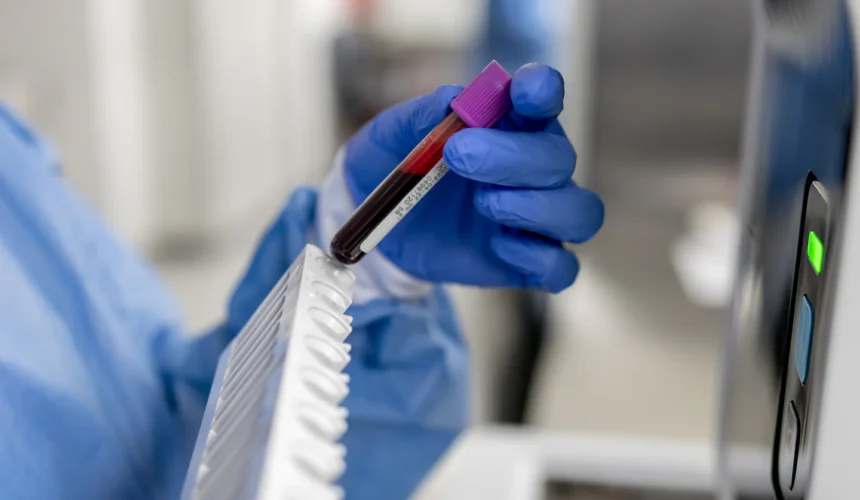
The PSA test measures the level of prostate-specific antigen in the blood. Elevated levels might indicate the presence of prostate cancer or other prostate conditions. While the test can be a helpful screening tool, it is not foolproof. High PSA levels can also result from benign conditions, leading to unnecessary anxiety and invasive procedures.
Due to these factors, health organizations emphasize a shared decision-making approach. This means doctors discuss the benefits and risks of screening with patients, taking individual risk factors such as age, family history, and overall health into account.
Screening Recommendations
Healthcare professionals are cautious about blanket recommendations for PSA testing. Guidelines vary, but many suggest that men discuss PSA screening with their doctors starting around the age of 50, or earlier for those with higher risk factors. The decision should consider personal preferences and a thorough understanding of what the test entails.
Current narratives encourage men to be proactive about their health. This includes understanding both the potential for early detection through PSA testing and the implications of a positive result. Many are advocating for awareness campaigns that emphasize informed choices, rather than routine checks.
Why This Is Trending
Awareness around prostate cancer is growing significantly in India, leading to increased interest in PSA testing. High-profile cancer cases and rising cancer diagnoses contribute to the urgency around regular screenings. Additionally, health campaigns emphasizing the importance of early detection are resonating with younger generations. Online searches about prostate health and testing have surged, indicating a proactive attitude towards men’s health.
Frequently Asked Questions
Why doesn’t my doctor automatically order a PSA test?
Doctors prioritize a personalized approach to health. They consider individual risk factors before recommending PSA testing, rather than a one-size-fits-all strategy.
What are the risks associated with PSA testing?
The PSA test can lead to false positives, which may result in unnecessary biopsies and treatments. Some cancers detected through PSA may not be aggressive, leading to overtreatment.
At what age should I start discussing PSA testing with my doctor?
It is generally recommended to begin discussions about PSA screening around the age of 50. However, men with a family history of prostate cancer or other risk factors should consider starting earlier.
What lifestyle changes can help reduce the risk of prostate cancer?
Maintaining a healthy weight, engaging in regular physical activity, and consuming a balanced diet rich in fruits and vegetables may contribute to lower prostate cancer risk.