
Amidst the ongoing immigration challenges in the United States, the cases of Yasmany Moreno de Armas and Zena Gebrgzabher have unveiled the troubling reality of deportations to countries steeped in conflict and poverty. These Cuban and Eritrean nationals, both sent to the Central African Republic without prior warning, underscore the significant implications of U.S. immigration policies on individual lives.
The Plight of Deportees
The stories of Moreno de Armas and Gebrgzabher highlight the vulnerability of immigrants in the U.S. justice system. Moreno de Armas, a 31-year-old Cuban immigrant, found himself in a foreign land he had never heard of before being forcibly deported. He stated during a video call that living in the Central African Republic has stripped him of hope and connection, as he faces an uncertain future without the necessary documents or support.
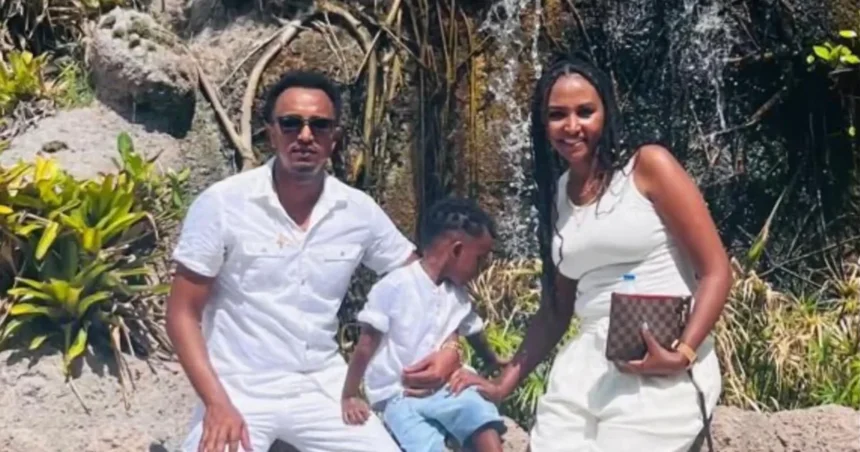
Similarly, Gebrgzabher, who spent his time in the U.S. working as a truck driver while establishing a family, is also grappling with the emotional toll of separation from his wife and American-born son. Both men expressed their fears regarding safety and stability, echoing the desperate situations faced by many who are caught in the web of immigration enforcement.
The Central African Republic: A Dangerous Destination
The Central African Republic (CAR) is one of the world’s poorest and most volatile nations, plagued by armed conflicts and political instability. The U.S. State Department has issued a Level 4 travel advisory, warning against travel due to widespread insecurity. The U.S. government has entered into agreements with various nations, including CAR, to accept deported individuals, a practice that raises ethical questions about the humanitarian impact on those affected.
For many immigrants who fled dire conditions in their home countries, the risk of being sent to another nation where they lack language skills, cultural knowledge, and familial support is profoundly distressing. Moreno de Armas articulated this deep frustration: “If you’re going to be deported, it should be to your home country, not to another country where you don’t know the culture.”
Legal Challenges and Personal Stories
The U.S. immigration system is fraught with complexities, especially for refugees like Gebrgzabher who have narrowly escaped persecution. He was granted protection under the Convention Against Torture, yet this status did not shield him from deportation to a third country. As he described his predicament, he highlighted the emotional ramifications of being separated from his family: “My son asks every day, ‘where is my daddy?'” This sentiment resonates with many immigrant families facing similar uncertainties.
Despite showing no significant criminal records, both men were ensnared by the immigration system, facing deportation under the previous administration’s strict policies targeting undocumented immigrants. The broader implications of these actions raise pressing human rights concerns regarding the treatment of immigrants and the moral obligations of nations to protect vulnerable populations.
Why This Is Trending
This issue is gaining traction in India and abroad as discussions about immigration and human rights remain critical amidst global instability. The plight of these deportees raises awareness of the complexities surrounding immigration policies that can result in inhumane outcomes. As stories of separation from families and deportation to dangerous environments surface, public interest and outrage are likely to grow. Additionally, with a significant Indian diaspora in the U.S., many are particularly concerned about how such policies might affect overseas communities, making this a relevant topic for Indian audiences.
Frequently Asked Questions
What is the Central African Republic like?
The Central African Republic is one of the poorest and most dangerous countries in the world, marked by ongoing armed conflict and political instability. The U.S. State Department advises against travel to the nation due to widespread insecurity.
Why are deportees sent to third countries?
The U.S. government has agreements with various countries to accept deported individuals, particularly those from nations that restrict or limit U.S. deportations. This practice raises ethical concerns about the safety and human rights of deportees.
What protections do immigrants have against deportation?
Immigrants may have protections under various U.S. laws, such as the Convention Against Torture, which can prevent deportation to countries where they face danger. However, these protections may not extend to deportation to third countries, as seen in the cases of Moreno de Armas and Gebrgzabher.
How do immigration policies affect families?
Strict immigration policies can lead to family separations and emotional turmoil, particularly for those with U.S. citizen family members. Many families face long-lasting impacts when one or more members are deported, leading to increased psychological stress and instability.