
Summary of Recent Security Measures
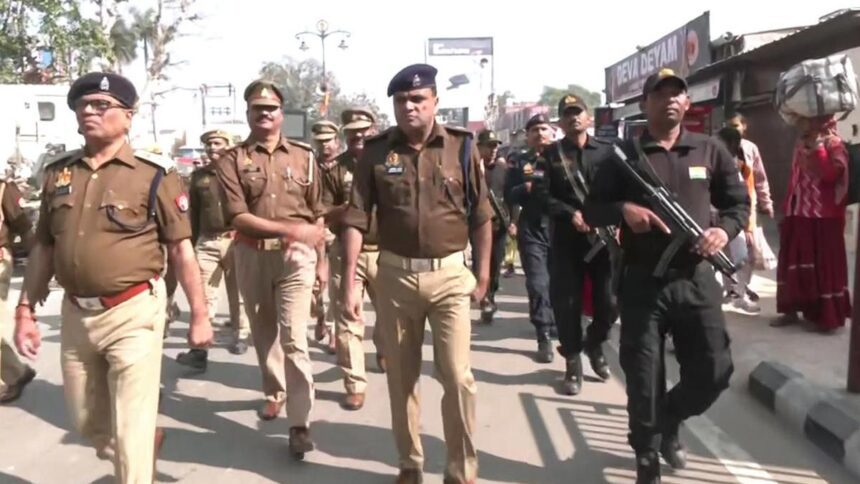
On December 6, 2025, heightened security measures were enacted across the Indian state of Uttar Pradesh, particularly in Ayodhya, marking the anniversary of the Babri Masjid demolition. Authorities implemented stringent checks and monitored public areas to prevent potential unrest linked to this sensitive historical event.
Current State of Security in Ayodhya
Police and administrative bodies have mobilized extensively in Ayodhya and other districts. Security agencies were active not only in Ayodhya but also in major cities like Varanasi, Lucknow, Meerut, Aligarh, Agra, Kanpur, and Prayagraj. The local police have carried out comprehensive checking drives, aiming to maintain order and deter any acts of violence on this sensitive anniversary.
An official statement emphasized that authorities are on high alert, with increased vigilance intended to prevent untoward incidents that could arise from public gatherings and marches. The presence of the Provincial Armed Constabulary (PAC) teams underscores the seriousness with which the administration is treating this day.
Historical Context Behind Current Tensions
The Babri Masjid’s destruction on December 6, 1992, by activists affiliated with the Vishva Hindu Parishad (VHP) and similar organizations marks a pivotal moment in India’s socio-political landscape. The event not only sparked nationwide riots but also intensified existing communal tensions between Hindus and Muslims in the country. This history continues to impact local dynamics, prompting authorities to take preemptive action during significant anniversaries to avert similar occurrences.
The sensitive nature of the day raises concerns about social exclusion and discrimination towards the Muslim community, as they often find themselves under scrutiny during such commemorative events. The continuation of high-security measures serves as a reminder of the lasting implications of historical conflicts and the challenges of coexisting in a diverse society.
Community Reactions and Implications
Local communities, particularly those related to the Muslim population, reported feelings of marginalization and surveillance during such moments. As security forces conduct vigilant checks across public areas, many community members express concerns about profiling and the social ramifications this brings. Local authorities, while aiming to maintain peace, find themselves in a complex position where security measures may inadvertently reinforce feelings of exclusion among minority groups.
The annual flag march by police and security forces raises pertinent questions about how the government balances security with civil liberties. As tensions remain palpable, conversations around discrimination and social justice continue to be critical for fostering communal harmony in India.
Why It Matters
The ongoing situation in Ayodhya and its broader implications reflect significant societal issues affecting minority communities in India. The actions taken by the government and security forces highlight the fine line between ensuring public safety and promoting social inclusion. For developers, policymakers, and civil society actors globally, understanding and addressing the dynamics of communal tensions is essential for fostering inclusive societies.
In the context of the AI industry, there is a growing recognition of the need for technology and tools that facilitate better understanding and management of diversity, conflict resolution, and community engagement. As such, developers should consider how their work can contribute positively to social dynamics rather than perpetuate existing divides.
Frequently Asked Questions
What was the Babri Masjid and why was it significant?
The Babri Masjid was a 16th-century mosque located in Ayodhya, India. Its destruction on December 6, 1992, by Hindu activists has become a symbol of communal strife in India, significantly impacting Hindu-Muslim relations.
Why do authorities increase security on the anniversary of the Babri Masjid demolition?
Authorities heighten security to prevent potential unrest or violence due to the sensitive nature of the anniversary, which continues to invoke strong feelings and memories associated with communal violence.
How have local Muslim communities reacted to heightened security measures?
Local Muslim communities have expressed concerns regarding feelings of marginalization and surveillance during events associated with the Babri Masjid demolition anniversary, leading to discussions about civil liberties and community relations.
What roles do governments and police play in managing communal tensions?
Governments and police are tasked with maintaining public order, but they also need to consider how their actions might impact social inclusion and perceptions of discrimination among minority populations. Effective management requires a balance between security and respect for civil rights.