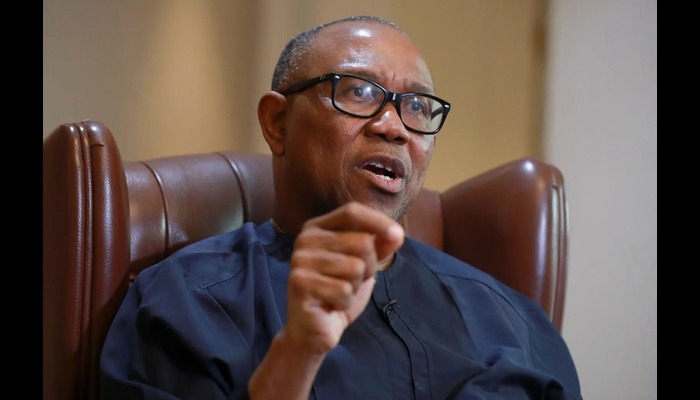

Summary of Claims by Northern Communities
The Northern Communities in Anambra State have voiced their support for Peter Obi, refuting allegations of discrimination during his governance. They emphasized their positive experiences with Obi’s administration, including access to education and agricultural loans, countering claims of social exclusion that have surfaced during political discourse.
Refuting Discrimination Allegations
Leaders from the Hausa and Northern Communities highlighted that allegations against Obi, claiming he required them to obtain identity cards or that he demolished a mosque, are politically motivated fabrications. Secretary of the Hausa Community in Onitsha, Mahmud Ibrahim, stated, “Our relationship with Mr. Peter Obi during his tenure as governor and even now is cordial,” reinforcing that the mosque in question was demolished prior to Obi’s tenure as governor. They affirmed that Obi supported community members, including visits to refugees after demolitions stemming from past crises.
Community Benefits During Obi’s Tenure
The leaders recounted the benefits their communities received under Obi’s administration. Garba Haruna, the Traditional Ruler of Hausa Community in Awka, noted that both indigenous and non-indigenous individuals received equal treatment in education and social services. He specifically mentioned how his children took advantage of the free education policy, while others like Gidado Sidikki, Chairman of the Northern Community in Anambra State, cited that he was a beneficiary of Obi’s agricultural loans, receiving N10 million without any discrimination involved. “We are surprised that even before he left as governor, he paid back the loan on our behalf,” Sidikki added, highlighting the generosity afforded to them.
Political Mobilization Ahead of Elections
In a show of unity, the leaders vowed to mobilize voters from the Northern communities in Anambra State to support Peter Obi in the upcoming elections. They expressed hope that collaboration with Rabiu Kwankwaso will further strengthen Obi’s campaign efforts for the 2027 election, showcasing a marked political solidarity and a collective rejection of divisive narratives propagated against them.
Why It Matters
The insistence on depicting a cordial relationship between Obi and the Northern communities highlights a larger narrative about inclusivity and social cohesion in a highly polarized political environment in Nigeria. By addressing potential discrimination claims and recognizing intercultural support, the discourse contributes to a more nuanced understanding of community dynamics and political affiliations in ethnically diverse regions. Such narratives challenge broader perceptions of sectarian divides and promote dialogues aimed at fostering unity, which is critical for Nigeria’s political stability.
Frequently Asked Questions
What allegations have been made against Peter Obi regarding discrimination?
There have been claims suggesting that Obi required Northern residents to obtain identity cards and that he oversaw the demolition of a mosque. Community leaders have publicly refuted these claims as politically motivated.
What benefits did the Northern Communities receive during Obi’s governance?
The Northern Communities reported benefits such as access to free education, agricultural loans, and support for religious pilgrimages, emphasizing that these services were available without discrimination.
How do the leaders plan to support Peter Obi in future elections?
The leaders from the Northern Communities have pledged to mobilize voters to support Obi, expressing confidence that collaborative efforts with other political figures will enhance his campaign.
What historical context surrounds the accusations of mosque demolition?
The community leaders clarified that the mosque in question was demolished before Obi took office. The demolition was part of a broader conflict that involved their community and was not a result of his governance.