
Continued Violence in Gaza Despite Ceasefire
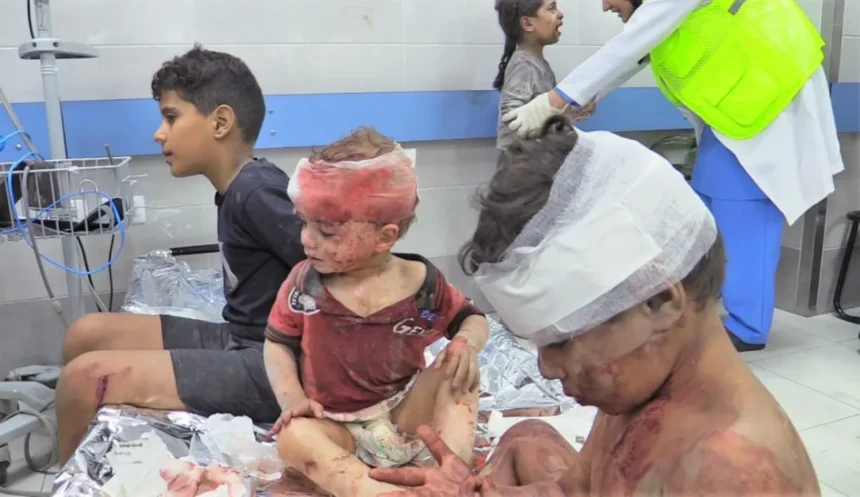
Despite the establishment of a ceasefire on October 10, 2025, Israeli military operations in the Gaza Strip have persisted almost daily. Palestinian health authorities report that at least 1,031 Palestinians have lost their lives, with another 3,309 injured, raising urgent questions about the effectiveness and enforcement of the ceasefire agreement.
Ongoing Military Operations and Humanitarian Impact
The aftermath of the ceasefire has seen relentless airstrikes, artillery shelling, and military incursions within various regions of Gaza. Civilian neighborhoods are suffering the consequences, as reports conclude that Israel’s military actions target areas heavily populated by civilians. This has exacerbated the humanitarian crisis in Gaza, where millions are already enduring severe shortages of food, medicine, and clean water.
Palestinian officials emphasize the extensive human suffering resulting from these operations, arguing that the ongoing violence predominantly affects innocent civilians, contrary to Israel’s claims of targeting combatants. The damage inflicted on residential zones raises urgent humanitarian concerns, signaling the fragile state of the ceasefire agreement.
International Reactions and Diplomatic Efforts
The continued military operations have sparked international alarm, with human rights groups urging global leaders to advocate for civilian protection and ensure unrestricted access to humanitarian aid. The voice of humanitarian agencies emphasizes the critical need for renewed diplomatic intervention to enforce compliance with the ceasefire.
Reports from organizations on the ground underline the escalating humanitarian situation, warning that without effective international oversight and a sustainable ceasefire, the plight of civilians in Gaza will continue to deteriorate. The implications of this ongoing conflict highlight a pressing need for global diplomatic efforts aimed at securing durable peace.
Why It Matters
The ongoing violence in Gaza and its impact on civilians raises significant concerns on multiple levels. For developers and users in the artificial intelligence industry, particularly in areas related to data analytics and humanitarian responses, understanding such crises will play a crucial role in modeling and deploying AI solutions. In scenarios of conflict, AI can be harnessed for improved data collection, analysis, and decision-making processes that are essential for effective humanitarian responses. Analyzing such conflicts also elevates the focus on ethical AI development, ensuring that technology is utilized for peace-building rather than exacerbating violence.
Frequently Asked Questions
What led to the ceasefire on October 10, 2025?
The ceasefire was aimed at halting hostilities between Israeli forces and Palestinian groups amid increasing casualties and humanitarian crises in Gaza.
How many casualties have been reported in Gaza since the ceasefire?
As of the latest reports, at least 1,031 Palestinians have died and approximately 3,309 others have been injured in continuing military operations following the ceasefire.
What are humanitarian agencies calling for in light of the ongoing violence?
Humanitarian agencies are urging for greater protection of civilians, unrestricted access to aid, and renewed diplomatic efforts to ensure that the ceasefire is respected and upheld.
What impact do ongoing military operations have on Gaza’s humanitarian situation?
The ongoing military operations are worsening the humanitarian crisis, leading to increased displacement, food shortages, and lack of essential services for millions of civilians in Gaza.