
Demolition of Madrasa Spotlighted Amid Rising Tensions in Uttar Pradesh
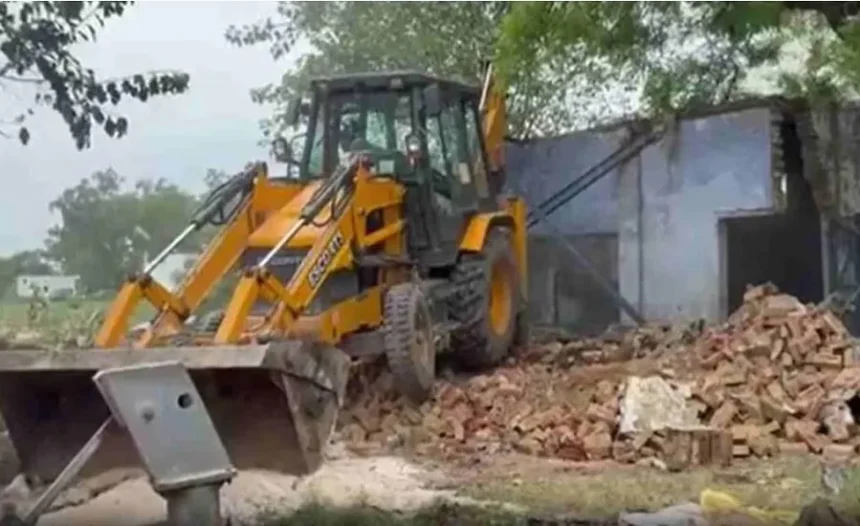
The recent demolition of Madrasa Misbah-ul-Uloom in Ghaziabad’s Masuri area has stirred significant unrest and concern among the Muslim community in Uttar Pradesh. This event is part of an ongoing series of demolitions targeting Muslim religious institutions in the state, exacerbating fears of discrimination and marginalization against Muslim communities.
Background of the Demolition
The district administration demolished the madrasa on a Tuesday, asserting that it was built illegally on government land intended for public pathways. Officials have deemed the madrasa’s land occupancy as encroachment, with an estimated market value of around Rs 1 crore. The structure was reportedly constructed by Yameen, the son of a deceased local resident, further complicating the emotional and social implications of the demolition.
Heavy police deployment accompanied the demolition, highlighting the tense atmosphere surrounding the operation. With revenue officials, police personnel, and administrative officers present, bulldozers systematically razed the structure under tight security, indicating the potential for unrest among residents. Many in the local Muslim community believe that similar actions have increased in frequency, raising questions about their motivations and the fairness of the enforcement.
Wider Patterns of Demolitions
The demolition of Madrasa Misbah-ul-Uloom is part of a troubling pattern in Uttar Pradesh, where recent months have seen increased scrutiny of madrasas, mosques, and other Muslim religious sites. In an earlier incident, the administration demolished Madrasa Jamia Arabia Ishaatul Islam in Kallugarhi village, claiming it was constructed on contested Gram Sabha land. This structure encompassed between 12 and 15 acres valued at approximately Rs 25 crore and had reportedly been inactive for almost three years.
Both of these incidents occurred against a backdrop of heightened communal tensions following the murder of Surya Pratap Chauhan. Protestors from various Hindu organizations have rallied for strict action against Muslims, intensifying fears among Muslim communities that administrative actions may be disproportionately targeting their religious institutions. Local residents have expressed concern that these trends suggest an escalating climate of fear and marginalization.
Community Reactions and Government Responses
In the wake of the demolitions, members of the Muslim community are increasingly vocal about feelings of insecurity and scrutiny. An anonymous local resident stated, “Every time we hear about demolition drives, they seem to involve madrasas, mosques, or mazars. There’s a growing feeling that our religious places are under constant scrutiny.” Meanwhile, the administration has firmly rejected accusations of bias, asserting that these demolitions are part of a legal framework aimed at clearing illegal encroachments.
Officials insist that due process, including notices and opportunities for voluntary removal of encroachments, was followed prior to the demolitions. In the Kallugarhi case, the government issued a recovery notice of Rs 1.23 crore against the madrasa management, further entrenching the perception of targeting minority institutions.
Why It Matters
The situation surrounding the demolition of religious sites in Uttar Pradesh reflects broader issues of legal enforcement, communal relations, and minority rights in India. As various government actions disproportionately affect Muslim institutions, it raises significant questions about equity and fairness in the application of the law. An increasing perception among the Muslim community that religious sites are under constant threat may lead to erosion of trust in governmental institutions, fueling communal tensions and social division in the long term.
Frequently Asked Questions
What were the reasons for the demolitions of the madrasas?
The demolitions were carried out on the grounds of illegal encroachment on government land, with officials stating that these sites were constructed without proper authorization in areas designated for public pathways or other uses.
How has the community responded to these demolitions?
Many community members express feelings of insecurity and concern over the increasing focus on Muslim religious institutions. There are allegations of bias and claims that these actions suggest a broader campaign against minority voices and places of worship.
What is the official stance of the Uttar Pradesh government regarding these actions?
The Uttar Pradesh government insists that all actions taken are based on legal grounds and not influenced by religious factors. Officials claim that notices were adequately issued before demolitions and that the measures are part of a broader effort to address illegal encroachments across the state.
Is this a common trend across India?
Similar actions against religious institutions, especially those associated with minority communities, have been observed in various BJP-ruled states, fueling fears of widespread discrimination and highlighting ongoing debates around land rights and religious freedom in India.