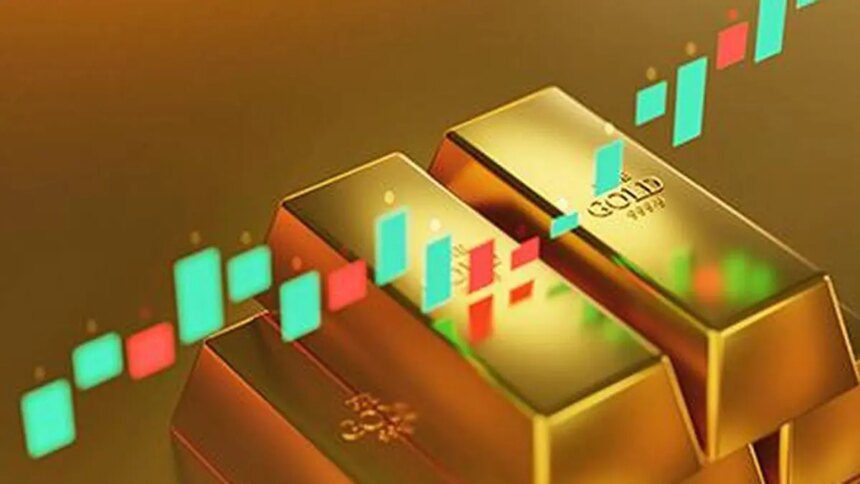

Gold’s share in India’s foreign exchange reserves has experienced a significant decline, now standing at below 14%—the lowest since September 2025. This is primarily due to a sharp fall in global gold prices, which came down from a peak seen in early 2026.
Current State of RBI Gold Holdings
The Reserve Bank of India’s (RBI) physical gold holdings have remained remarkably stable, reports indicating figures of 880.18 tonnes at the end of September 2025, rising slightly to 880.52 tonnes by September 2026. However, this nominal increase of just 0.34 tonnes has coincided with a troubling overall trend: gold’s proportion of India’s total foreign exchange reserves has dwindled. The RBI reports that this share has dropped from 19.02% at its peak on January 30, 2026, to 13.98% by November 13, 2026—a considerable contraction of over five percentage points in just ten months.
Factors Influencing Global Gold Prices
The volatility in gold prices is largely attributed to shifting geopolitical landscapes, evolving economic policies in the U.S., and fluctuating investment demands. For instance, spot gold hit a record high of $5,417.21 an ounce on January 28, 2026, driven by global unrest and robust demand for gold-backed exchange-traded funds (ETFs). However, by November 13, the price had plummeted to $3,884.49 an ounce, marking a staggering 28.3% decline from its peak.
This downward trajectory followed significant market developments, including the nomination of Kevin Warsh as the next chair of the Federal Reserve, which shifted investor sentiment. Increased tensions in West Asia and rising crude oil prices further influenced gold prices, as inflationary concerns heightened expectations regarding interest rates.
Impact on India’s Foreign Exchange Reserves
The decline in gold valuation has notably impacted the overall valuation of India’s foreign exchange reserves. Despite RBI’s stable holdings in terms of quantity, the current lower prices mean gold contributes less to the overall value of the reserves. As of November 2026, the declining valuation reduces investor confidence and influences import dynamics, considering India is one of the largest consumers of gold globally. With the decrease in gold’s share, the diversification and risk management strategies of foreign exchange reserve portfolios may need reconsideration.
What This Means
For Indian audiences, the recent developments surrounding gold prices and RBI’s holdings signify deeper implications for the economy. A significant shift in reserve strength can influence currency stability and trade balances. Additionally, with gold often regarded as a safe-haven asset, reduced valuations may affect traditional investment avenues for individual investors and institutions alike. This could lead to a reassessment of investment strategies centered on gold as a stable store of value within portfolios and inform future policy directions by the RBI regarding reserve management.
Frequently Asked Questions
Why has gold’s share in India’s foreign exchange reserves decreased?
The decrease is primarily due to a sharp fall in global gold prices, even though the physical quantity held by the RBI has remained relatively unchanged.
How does gold price fluctuation affect the Indian economy?
Gold price fluctuations influence the overall valuation of foreign exchange reserves, currency stability, and can impact trade balances, given that India is a major gold consumer.
What are the factors affecting global gold prices?
Global gold prices are influenced by geopolitical uncertainties, economic policies, investment demand, and external economic factors such as inflation and interest rates.
What might be the future outlook for gold in India?
While current trends indicate price volatility, the outlook will depend on global economic conditions, central bank policies, and evolving market sentiments regarding gold as a safe-haven asset.