
An Unrealised Vision: The State of Peace in Colombia
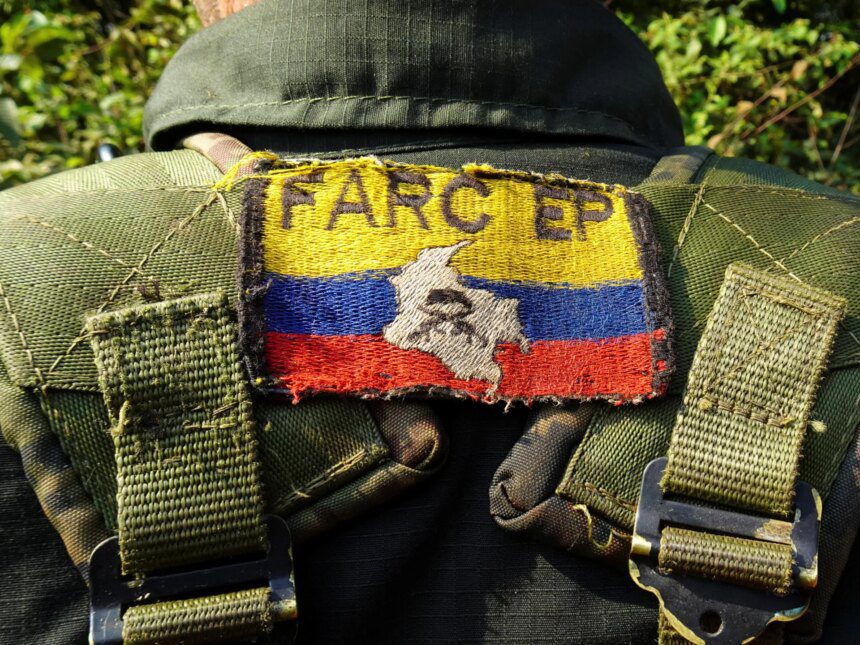
The 2016 peace accord in Colombia, aimed at ending decades of conflict with the FARC rebel group, remains largely unfulfilled. A decade later, approximately 43 percent of the deal’s components lack implementation, primarily affecting initiatives for gender equality and the political representation of ethnic minorities.
Political Shifts Undermine Peace Accord
Florez, a key advocate of the peace agreement, has expressed concern over the lack of resources and political commitment hindering its effective realization. “Every new government enters office and, instead of following the established roadmap, comes up with something new,” he laments. This shifting political will came into sharp focus when right-wing politician Ivan Duque assumed the presidency in 2018, campaigning to dismantle the accord. While he lacked the constitutional authority to abolish it, Duque’s government actively neglected significant elements, such as land restitution and transitional justice.
Successor Gustavo Petro made history as Colombia’s first leftist president, who pledged to fulfill the 2016 agreement. Despite noble intentions, his administration’s “Total Peace” strategy faced criticism for failing to rein in criminal organizations and offering them breathing room, contradicting promises of bringing peace to the nation.
Rising Criticism and Future Implications
Colombia’s current president, Abelardo de la Espriella, has emerged as a vocal critic of the peace deal, branding it “insufficient” ahead of its 10th anniversary. In a recent social media post, he decried the agreement as a financial burden, costing the nation trillions of pesos. The president has even suggested dismantling institutions like the Special Jurisdiction for Peace (JEP), tasked with overseeing transitional justice reforms.
This pivot away from dialogue is alarming to former peace negotiator De la Calle, who characterizes the government’s stance as a serious misstep. “Failing to implement the agreement is a monumental mistake for Colombia,” he says, underscoring fears that abandoning the peace process might lead to renewed violence.
What This Means
For Indian readers, the situation in Colombia serves as a cautionary tale about the complexities of peace agreements taken amidst political turmoil. India’s own challenges with insurgency and regional conflicts may resonate with Colombian experiences, accentuating the need for consistent political will and resources for peace initiatives. As different governments have approached peace processes differently, it stresses the importance of continuity and commitment in realizing agreements, relevant not just in a Colombian context, but also as Indian states navigate their internal conflicts.
Frequently Asked Questions
What is the 2016 peace accord in Colombia?
The 2016 peace accord was an agreement between the Colombian government and the FARC rebel group aimed at ending over five decades of armed conflict, focusing on land reforms, political representation, and transitional justice.
Why has the implementation of the peace deal lagged?
Implementation has suffered from a lack of resources, political will, and a shift in government priorities, particularly under right-wing leaders who have pursued alternative agendas rather than the established roadmap.
What roles have former presidents played in the peace process?
Ivan Duque campaigned to dismantle the deal and neglected crucial components, while Gustavo Petro initially promised to implement the agreement fully but faced challenges in delivering on commitments amid security concerns. Current president Abelardo de la Espriella has criticized the accord and proposed dismantling institutions supporting it.
How does this situation affect Colombia’s future?
The ongoing instability and criticism of the peace process raise concerns about a potential resurgence of violence and undermine prospects for lasting peace, which could destabilize neighboring regions and impact international diplomatic relations.