
India has recently increased export levies on diesel and aviation turbine fuel (ATF), with the duty on petrol exports remaining unchanged. This decision is significant amid rising domestic inflation and reflects the government’s approach to managing fuel export revenues while addressing inflationary pressures.
Increased Export Levies on Key Fuels
In a government announcement issued by the Finance Ministry on November 17, 2026, the special additional excise duty on export fuels was revised as follows:
- The special additional excise duty on diesel exports increased to ₹14 per litre, up from ₹11.50 per litre.
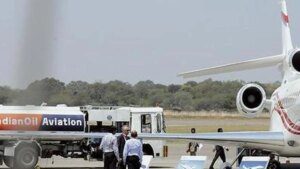
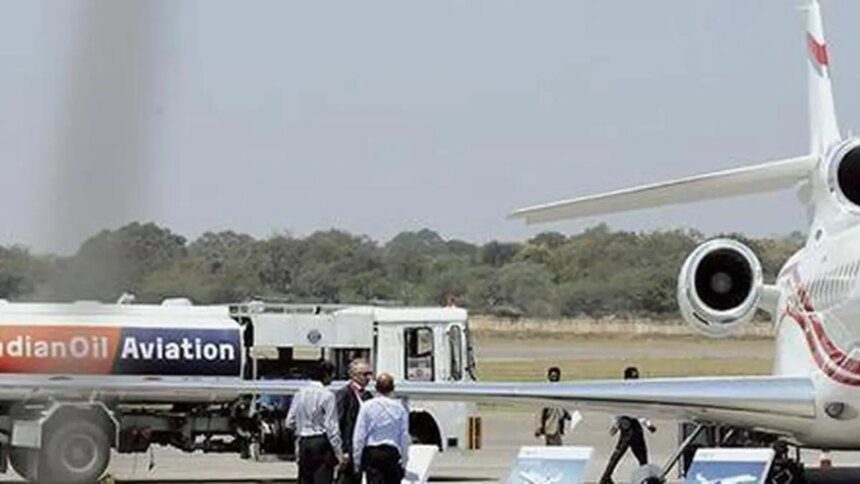
- The special additional excise duty on aviation turbine fuel exports now stands at ₹12.50 per litre, up from ₹11 per litre.
- The duty on petrol exports remains unchanged at zero.
These changes will take effect immediately and are expected to impact the profitability of oil marketers engaged in export trade.
Context of Inflation in India
The decision to raise levies comes at a time when India is grappling with inflationary concerns. As of October, wholesale inflation hit 12.3%, while retail inflation stood at 6.09% in the previous month. The rising costs of essential commodities, including fuel, have been a contributing factor to overall inflation rates.
The Indian government is strategically tightening the fiscal measures related to fuel exports in an effort to balance domestic supply and demand while addressing inflation. By maintaining the zero-duty status for petrol exports, the government is also looking to sustain the competitiveness of petrol exports in the international market.
Impact on the Oil Market
The increase in export duties for diesel and ATF may lead to varying impacts on domestic oil marketing companies and the overall energy market. With Western countries generally favoring cleaner fuel options, diesel exports from India can face competitive pressures. The new levies are likely to prompt refiners to reconsider their export strategies, as profitability margins may decrease.
Currently, major Indian oil firms like Indian Oil Corporation Limited (IOCL), Bharat Petroleum Corporation Limited (BPCL), and Hindustan Petroleum Corporation Limited (HPCL) are intricately linked with international crude oil prices, which further complicates their operational challenges. The government’s move may also influence their domestic pricing powers, potentially leading to adjustments in local fuel rates in the future.
What This Means
The increase in export levies allows the government to augment its revenue collection amid rising inflation while trying to encourage more value addition within the country. This move will likely lead domestic oil companies to adjust their pricing strategies both for exports and domestic markets. As global fuel prices continue to fluctuate, these changes might position India’s fuel marketing sector to better cope with international market dynamics while managing local inflationary pressures.
Frequently Asked Questions
What are the new export levies on diesel and ATF?
The special additional excise duty on diesel exports has increased to ₹14 per litre, and on aviation turbine fuel exports to ₹12.50 per litre.
Does this affect petrol exports?
No, the duty on petrol exports remains unchanged at zero. This indicates a strategic decision to keep petrol competitively priced in the international market.
Why is the government increasing these levies now?
This decision is taken amid rising inflation rates in India, with wholesale inflation at 12.3% and retail inflation at 6.09%, to manage domestic fuel prices and generate additional revenue.
How will this impact domestic fuel prices?
Currently, there is no change in excise duty rates on petrol and diesel sold domestically. However, fluctuations in export strategies and international crude prices could influence future domestic pricing dynamics.