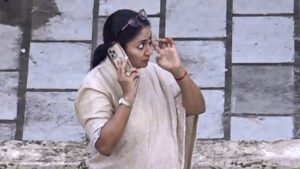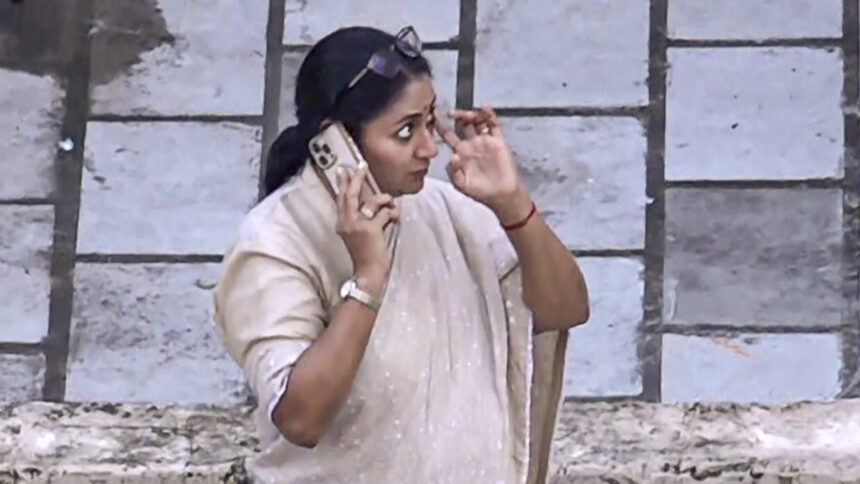

Recent reports have revealed that Delhi Chief Minister Rekha Gupta is among voters flagged for discrepancies in the Special Intensive Revision (SIR) draft list. Meanwhile, the family members of former Chief Minister Arvind Kejriwal appear to be unmapped, raising questions about the electoral process in the capital.
Discrepancies and Notices Issued
Following the publication of the draft electoral roll, the Delhi Election Commission has identified a significant number of voters facing discrepancies. Rekha Gupta’s name is included in the list of 1,60,795 individuals being notified to provide further documentation. The issue arises from a regulation that states a significant age difference (less than 15 years) between a voter and their parent can be flagged as a discrepancy.
Mohammed Zubair, co-founder of AltNews, highlighted this issue on social media, noting that Gupta will need to clarify her details. He also pointed out that members of Kejriwal’s family—his parents, wife, and son—face similar challenges, adding to concerns over the accuracy of the new voting list.
Extent of Voter Removals
In an alarming statistic, the Delhi Election Commission reported the removal of 47 lakh names from the voter rolls, which constitutes approximately one-third of the 1.45 crore registered voters in Delhi. This sweeping removal has prompted widespread scrutiny of the electoral system and its processes.
On August 31, the commission laid out the draft electoral roll. Since then, notices have been dispatched to individuals whose names have either been unmapped or flagged for discrepancies. Chief Electoral Officer Ashok Kumar confirmed that the notices serve to prompt voters to present necessary documentation for verification. These steps are part of an ongoing hearings process to address claims and objections pertaining to the new roll.
What This Means for Delhi’s Political Landscape
The issue of electoral discrepancies doesn’t just affect individual voters—it has far-reaching implications for Delhi’s political landscape. Both Gupta and Kejriwal are prominent figures in Delhi’s political sphere, and any challenges they face concerning voter rolls could impact their political standing and future elections.
The fact that high-profile politicians are implicated raises concerns about the integrity and efficiency of the electoral process. As the polling body tries to navigate these challenges, it faces the tough task of managing public trust while ensuring compliance with electoral rules.
Why This Matters
The recent revelations about discrepancies in the electoral rolls have significant implications for democracy in India. Accurate voter registration is a cornerstone of fair elections. If substantial discrepancies exist among high-profile politicians, it casts doubt on the robustness of the electoral system as a whole.
In an era where voter turnout and engagement are crucial to a healthy democracy, ensuring that voters can comfortably participate in the electoral process is critical. The ongoing situation serves as a reminder of the need for transparency and efficiency within electoral agencies, especially ahead of upcoming elections.
Frequently Asked Questions
What is the Special Intensive Revision (SIR) process?
The SIR process involves revising the electoral rolls to ensure accuracy and up-to-date information for eligible voters. It aims to remove discrepancies and update details regarding registered voters.
Why are voters being served notices?
Voters are served notices when discrepancies are found in their voter registration details. This process requires individuals to provide additional documentation to confirm their information.
What repercussions could arise from unmapped or disputed voter names?
If voter names are unmapped or disputed, individuals may be unable to participate in upcoming elections, impacting their voting rights and representation.
How is the Election Commission addressing these discrepancies?
The Election Commission is actively sending notices to affected voters and conducting hearings to address claims and objections raised during the SIR process.