
Discrimination Against Muslim Women in Public Spaces: A Case Study
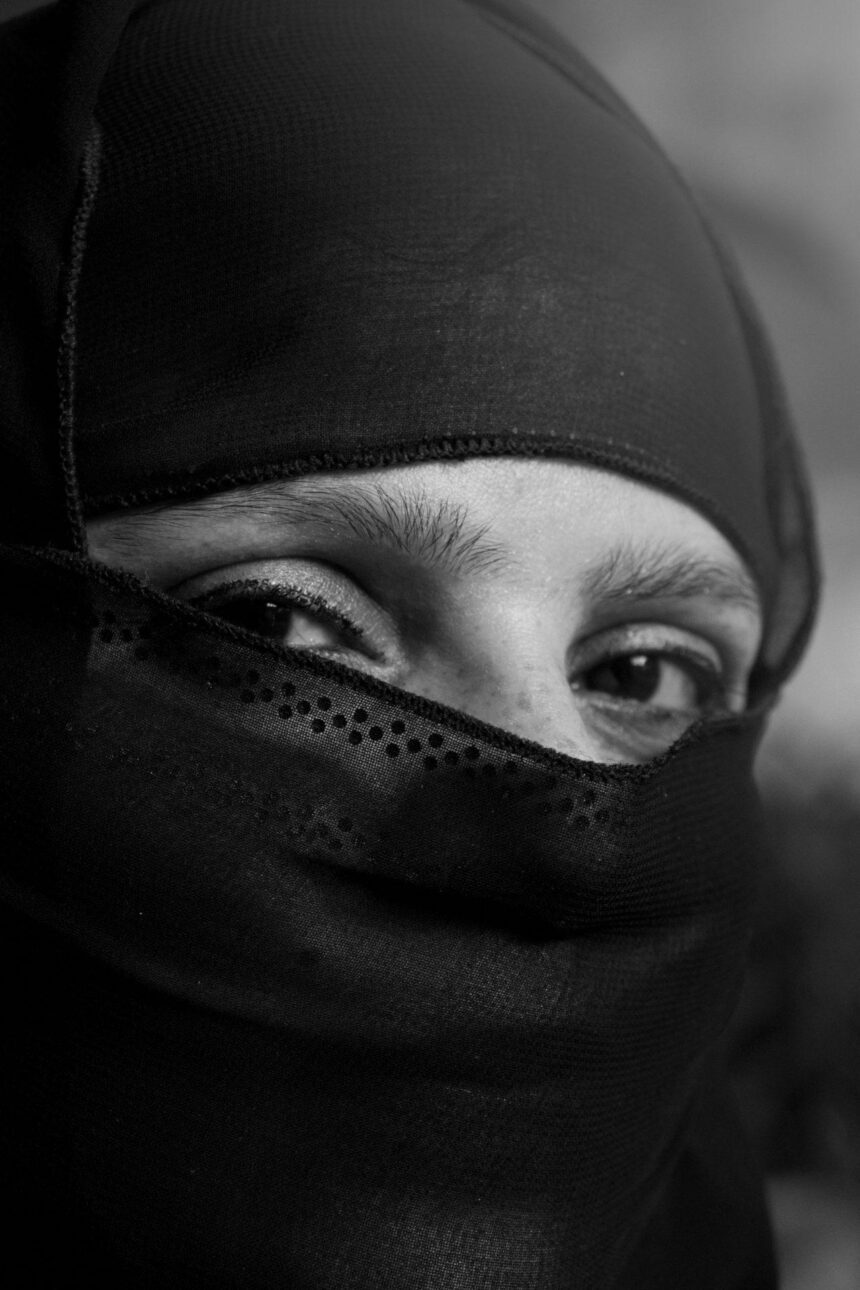
A recent incident at Cooper Hospital in Mumbai has spotlighted ongoing discrimination against Muslim women in India, sparking discussions on the implications of clothing restrictions imposed by public institutions. A Muslim lawyer, Jahan Ara, was barred from entering a maternity ward due to her burqa, prompting her to consider legal action against the hospital.
Incident Details
Jahan Ara arrived at the government-run Cooper Hospital to support a family member but was abruptly stopped by hospital staff. The reason cited for denying her entry was a policy that purportedly prohibits burqa-wearing women from entering the maternity ward. Despite her attempts to identify herself as a lawyer and question the legitimacy of this policy, she was met with resistance.
Ara was informed that the restriction stemmed from concerns about potential baby thefts by individuals concealing their identities under burqas. She challenged this rationale, contending that criminal activities in hospitals have involved people of various attire, not just those who wear burqas.
With her legal background, she argued, “If there is a thief, take action against the thief,” calling for a more just approach rather than a blanket restriction based on religious clothing.
The Political and Social Backlash
The incident has ignited a political firestorm, with opposition leader Abu Asim Azmi of the Samajwadi Party criticizing the hospital’s actions as part of a broader trend of increasing scrutiny on Muslims regarding their cultural practices. Azmi acknowledged the legitimate security concerns that hospitals face but argued that these can be addressed through private screening areas and female personnel, rather than enforcing public restrictions that unduly target Muslim women.
This case aligns with a larger pattern of discrimination that has emerged in recent years, particularly under the current Sangh and BJP government, where Muslim women’s attire such as hijabs and burqas have faced scrutiny not only in public health facilities but also in educational settings and during public events.
Azmi’s stance highlights the rising concerns among political figures regarding the social implications of such policies that not only undermine individual rights but also perpetuate negative stereotypes about Muslim communities.
Broader Context: Recurrent Themes of Marginalization
This incident is not an isolated case but rather part of a troubling trend in India, where Muslim communities face increasing marginalization. Restrictions involving traditional clothing have been a growing issue in various sectors, including educational institutions and during public examinations. The situation in hospitals adds a layer of urgency as access to healthcare is a fundamental right.
Similar allegations have surfaced in multiple cities, including Delhi and Jaipur, demonstrating a pattern of systemic exclusion. This raises ethical questions around the treatment of religious minorities in a secular state and the balance that must be struck between security and individual rights.
Activist groups have reiterated that societal fears should not dictate policies that classify certain groups as potential security threats. The disproportionate targeting of Muslim women wearing burqas reflects a societal bias that warrants critical examination in India’s contemporary socio-political landscape.
Why It Matters
The discrimination faced by Muslim women regarding their choice of clothing in public spaces speaks volumes about the rising sectarian tensions in India. This incident, much like others, casts light on an environment in which systemic exclusion is normalized. For global observers, understanding these dynamics is essential, as they highlight the intersection of culture, politics, and social justice in a purportedly secular democracy. The implications extend beyond India, raising important questions about how societies balance public security with the rights of individuals from diverse backgrounds.
Frequently Asked Questions
What was the reason for Jahan Ara’s denial of entry to the maternity ward?
Jahan Ara was denied entry because hospital staff stated that women wearing burqas were not permitted, citing concerns about baby thefts linked to individuals concealing their identities.
How did Jahan Ara respond to the denial?
Ara expressed her intent to pursue legal action against the hospital if an apology was not forthcoming. She also plans to investigate other hospitals for similar restrictions on burqa-wearing women.
What broader issues does this incident highlight?
This incident underscores the ongoing marginalization of Muslim communities in India, particularly regarding cultural and religious expressions. It raises critical questions about security measures that disproportionately target specific groups.
How has the political landscape reacted to this incident?
Opposition politician Abu Asim Azmi has criticized the hospital’s actions, framing them as part of a broader trend of discrimination against Muslims. He called for alternatives that maintain security while respecting women’s rights to wear traditional clothing.