
Nepal is currently grappling with the aftermath of a catastrophic flood that struck on August 26, claiming over a thousand lives and leaving many more missing. The government has begun mass burials as the scale of the disaster overwhelms local authorities.
Scale of the Disaster and Rescue Efforts
Officials from Nepal reported on Tuesday that 1,003 bodies have been recovered, with an alarming 3,916 individuals still listed as missing. This devastating flood was triggered by a high-altitude glacial collapse, resulting in a massive surge of freezing water, rocks, and debris that ravaged Himalayan valleys.
Rescue teams are employing drones to locate survivors amidst the destruction. In a recent search in Nuwakot district, authorities discovered 24 bodies within a single residence. Additionally, the floodwaters have carried at least 17 bodies downstream into India, indicating the widespread impact of the disaster.
Mass Burial Practices Amid Crisis
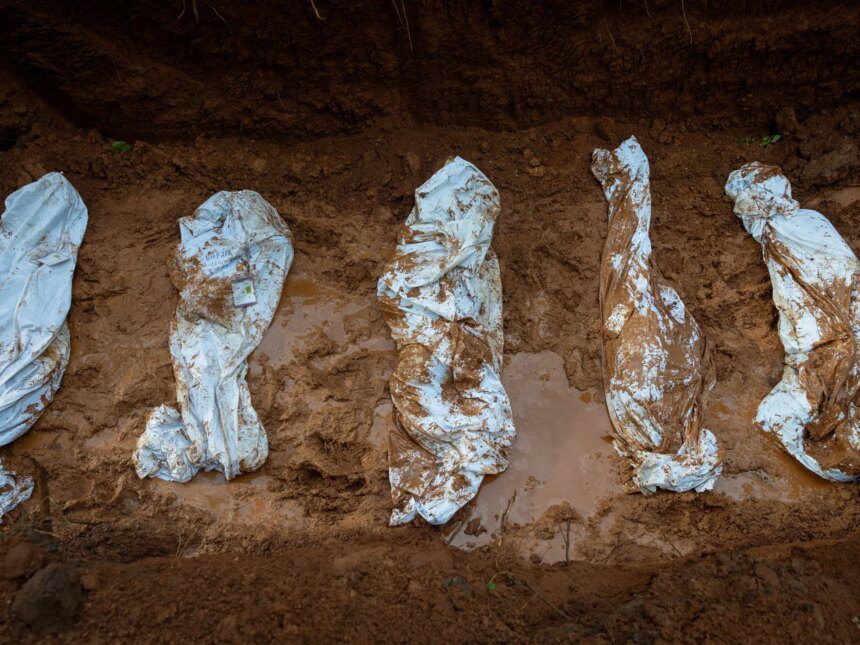
In the Chitwan district, customary Hindu rituals surrounding death have been drastically affected. The sheer number of unidentified bodies has necessitated the use of mass graves, following DNA sampling for potential identification. This step has been taken to efficiently manage the overwhelming volume of fatalities and preserve the dignity of the deceased.
Local officials are striving to balance cultural practices with logistical realities, making the situation both emotionally and operationally challenging for families and authorities alike. Prime Minister Balendra Shah described the catastrophe as “unimaginable and heartbreaking,” resonating with the grief felt not only in Nepal but also across the region.
Geopolitical Implications for India
The disaster in Nepal poses significant implications not just for the Himalayan nation but also for neighboring India. The floods are a stark reminder of the vulnerabilities associated with climate change and glacial melt in the region. Given the interconnectedness of the water systems in the Himalayas, such natural calamities can have cascading effects on Indian states bordering Nepal.
Furthermore, India holds a shared responsibility in disaster response. As the floodwaters have affected individuals across the border, the Indian government may need to consider humanitarian assistance and support as recovery efforts unfold. The incident serves as a crucial point for re-evaluating regional cooperation on disaster management initiatives and early warning systems.
What This Means
For Indian readers, the catastrophic flood in Nepal highlights the urgent need for effective climate adaptation strategies in the region. The alarming increase in glacial melting poses significant risks not only to Nepal but also to northern states of India, particularly those bordering the Himalayas. As extreme weather events become increasingly common, there is a pressing requirement for collaborative disaster preparedness efforts between India and Nepal. Enhanced early warning systems and shared resources could mitigate the impacts of future disasters on both sides of the border.
Frequently Asked Questions
What triggered the recent floods in Nepal?
The floods were triggered by a high-altitude glacial collapse, which unleashed a torrent of freezing water, rocks, and debris into the Himalayan valleys on August 26.
How many people are currently missing in Nepal due to the floods?
As of the latest reports, 3,916 individuals are still listed as missing following the devastating flood.
What measures are being taken for the unidentified victims?
The Nepalese authorities are conducting mass burials after taking DNA samples for future identification due to the overwhelming number of unidentified bodies.
What is the potential impact of this disaster on India?
The flooding in Nepal could have significant implications for neighboring Indian states, particularly regarding water management, humanitarian assistance, and regional disaster response strategies. There’s a heightened concern about the interconnected water systems in the Himalayas that could affect many areas in northern India.