
Understanding the Context of Discrimination Against Indian Muslims
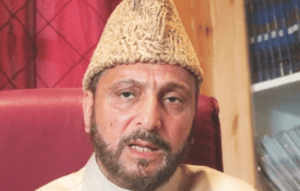
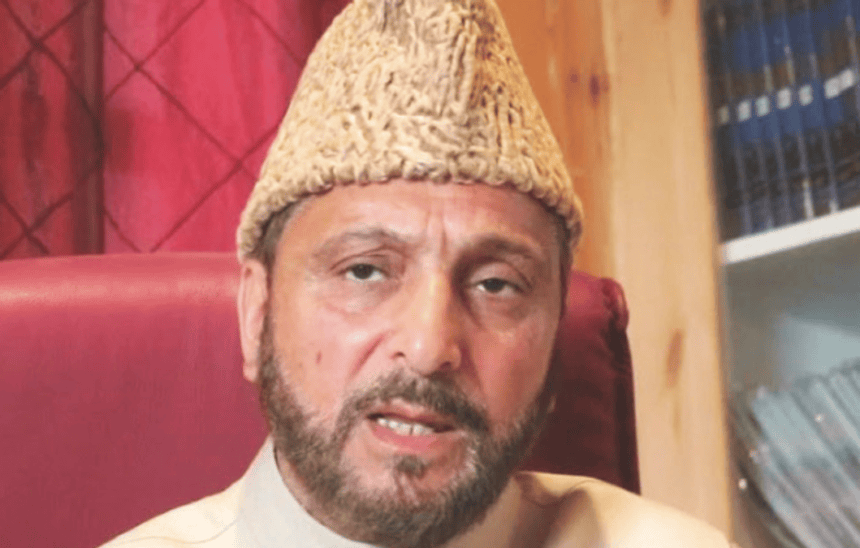
In a recent statement, Jammu and Kashmir Grand Mufti Nasir-ul-Islam emphasized the need for discussions concerning Indian Muslims to occur within India, criticizing remarks made by RSS Chief Mohan Bhagwat in New York. His comments reflect a broader concern regarding the perceived marginalization and social exclusion of Muslims in India, especially under the current political climate dominated by the ruling Bharatiya Janata Party (BJP) and its ideological parent, the Rashtriya Swayamsevak Sangh (RSS).
Concerns of Social Exclusion and Marginalization
Grand Mufti Nasir-ul-Islam pointed out that discussions about the loyalty and patriotism of Indian Muslims should not take place on foreign soil. He noted that Indian Muslims have made significant contributions to the nation, adding, “Our sacrifices, service and commitment to the nation are woven into the history of India.” His remarks echo a sentiment shared by many who believe that the current political discourse often sidelines the efforts and sacrifices of the Muslim community.
Historical grievances around citizenship and social inclusion have intensified, particularly in light of measures such as the Citizenship Amendment Act (CAA) and National Register of Citizens (NRC), which many critics argue disproportionately affect Muslims. These policies have led to widespread protests and debates about identity and belonging, further fueling perceptions of discrimination among Indian Muslims.
Claims to Patriotism and National Identity
Islam asserted that Muslim contributions to India’s national fabric should not be questioned, stating, “Indian Muslims do not seek certificates of patriotism from anyone.” This highlights a growing concern among the community that their loyalty and patriotism are being scrutinized, which is unprecedented in India’s diverse history. The underlying issue revolves around whether Indian Muslims—who constitute around 14% of India’s population—can coexist without facing social and political discrimination based solely on their religious identity.
The Grand Mufti’s call for restraint and wisdom among public figures reflects a deep-seated desire for solidarity rather than division. He posited that debate should occur on Indian soil, stressing the importance of constitutional morality and the collective sacrifices of all citizens in building the Republic. The vision he articulates represents a plea for unity in a time marked by rising sectarian tensions.
Coping with Economic Boycotts and Exclusionary Practices
As the RSS and BJP promote a vision of India that some argue is exclusionary, economic boycotts targeted at Muslim-owned businesses have also been reported. Such practices further marginalize already vulnerable populations, creating not just social but economic divides. This tension affects not only individual livelihoods but also contributes to a broader narrative of disenfranchisement among Indian Muslims.
In this climate, calls for accountability have emerged, as leaders from different communities, including those from the Muslim community, seek to engage in constructive dialogue. This societal dynamic underscores a crucial aspect of Indian civic life: the need for cooperation and respect for the country’s diverse fabric.
Why It Matters
The remarks and sentiments expressed by Grand Mufti Nasir-ul-Islam resonate with numerous social and political realities that have implications beyond India. The marginalization of communities based on religion challenges global principles of equality, democracy, and human rights. As the international community watches, understanding these dynamics can inform policy responses and humanitarian actions. Moreover, recognizing the contributions of all communities toward national identity is essential for social cohesion and political stability within an increasingly pluralistic society.
Frequently Asked Questions
What are the Citizenship Amendment Act (CAA) and National Register of Citizens (NRC)?
The CAA provides a pathway to citizenship for non-Muslim religious minorities from neighboring countries, while the NRC is a register meant to identify legal citizens of India; critics argue that these measures discriminate against Muslims.
How have Indian Muslims historically contributed to the nation?
Indian Muslims have played significant roles in various facets, including the freedom struggle, cultural development, and national defense, joining forces with other communities in shaping the country.
What is the reaction to policies that appear discriminatory?
Many Muslim leaders and communities have raised concerns and engaged in protests against policies seen as discriminatory, stressing the need for dialogue and coexistence in a secular framework.
How does the international community view the treatment of Muslims in India?
International reactions vary, with some human rights organizations and foreign entities voicing concern over the treatment and civil rights of Muslims, while others focus on India’s sovereignty and internal policies.