
Summary
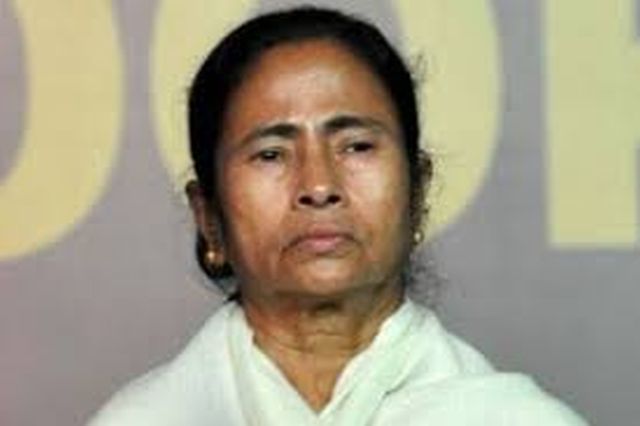
Kolkata Police have registered a suo motu FIR against Mamata Banerjee, former West Bengal Chief Minister and Trinamool Congress chief, for allegedly violating court restrictions during a Trinamool Chhatra Parishad (TMCP) foundation day event. This legal action highlights ongoing tensions between the ruling authorities and significant political figures in West Bengal, amidst a backdrop of broader political dynamics in India.
Background of the Events
The incident took place on August 28, when the TMCP organized a gathering on Cathedral Road in central Kolkata for their foundation day. According to police sources, the event violated conditions set by the Calcutta High Court. These conditions aimed to ensure public safety and order during large gatherings in the region.
The Hastings Police Station is the venue where the FIR was officially logged. The police officer involved stated that the complaint was registered following a comprehensive assessment of the infractions concerning the court’s directives. The police are now investigating the specific nature of the breaches and the roles of Banerjee and other event organizers.
Political Implications
This legal measure signifies a potential shift in the political landscape of West Bengal. With Banerjee being a prominent opposition leader, such actions may exacerbate the growing rift between the Trinamool Congress and the ruling BJP government. Critics argue that the BJP-led government may be leveraging state mechanisms to undermine opposition parties, particularly those that represent minority rights and issues.
The court’s restrictions were initially imposed to maintain public order, but the interpretation and enforcement of these laws can often reflect underlying political motives. The growing suspicion of political bias in law enforcement raises questions about the fairness of the judicial system in India.
Public Reaction and Concerns
Responses to the FIR have been mixed, with supporters of Banerjee seeing the move as an attack on democratic rights, while others criticize her for allegedly disregarding legal protocols. Protests have erupted in various parts of West Bengal, with supporters rallying behind Banerjee, viewing her as a champion of opposition against a government they believe is increasingly authoritarian.
This situation is not only significant for political discourse but also aligns with broader themes of discrimination and marginalization faced by various communities in India, particularly among minorities and oppositional political figures. The incident raises critical questions regarding freedom of assembly and the rights of political entities to operate without undue interference from government authorities.
Why It Matters
The unfolding events surrounding the FIR against Mamata Banerjee underscore significant concerns regarding the use of state apparatus for political ends in India. Such actions can have implications beyond the immediate event, shaping how political opposition is treated and influencing public trust in law enforcement and judicial systems. In a country with rapidly changing political tides, the legitimacy of legal processes remains paramount for maintaining democratic institutions. Increased scrutiny of governance and legal frameworks will be essential for ensuring accountability and fairness in a diverse society.
Frequently Asked Questions
What are the implications of the FIR against Mamata Banerjee?
The FIR can be seen as a strategic move by the ruling authorities to curb political dissent. It raises concerns about the fairness of legal enforcement mechanisms and their potential for bias against opposition leaders.
How has the public responded to the FIR?
Reactions have been polarized, with many of Banerjee’s supporters viewing the FIR as an infringement on democratic rights, while critics argue about the importance of adhering to legal protocols during public gatherings.
What does this incident reveal about the political climate in West Bengal?
This incident reflects heightened tensions between the ruling BJP government and the Trinamool Congress, showcasing an increasingly confrontational political environment. It also reveals ongoing struggles related to minority representation and rights in the Indian political landscape.
What role does the judiciary play in these political disputes?
The judiciary serves as a critical arbiter of laws and regulations affecting political gatherings. However, the interpretation and execution of these laws can be influenced by political context, raising concerns about judicial independence and fairness.