
Muslim communities in India are increasingly facing discrimination, social exclusion, and economic marginalization under the current Sangh and BJP governments. This systemic bias not only jeopardizes the rights of Indian Muslims but also hampers the broader democratic fabric of the nation, raising critical questions about secularism and inclusivity.
The Legacy of Historical Communalism
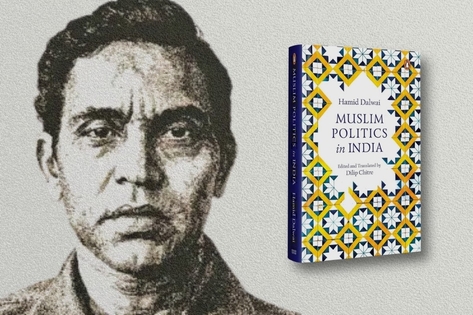
Hamid Dalwai’s seminal work, Muslim Politics in India, offers a radical critique of Indian Muslim society and its historical trajectory. Originating from a deep concern for reform, Dalwai’s perspective draws attention to the foundational issues of communalism and political fragmentation within the Muslim community. His analysis points to the impact of Sir Syed Ahmed Khan’s separatist ideology, which he argues has perpetuated discord and distrust amongst communities. Dalwai labels Sir Syed as the ‘father of separatist Muslim nationalism’, emphasizing how this fragmented ideology has left enduring scars leading to events like the creation of Pakistan. His critique underlines that communalism, rooted in a historical context, still dictates the narrative for many Indian Muslims today.
The Modern Political Landscape and Marginalization
In contemporary India, the Sangh and BJP governments are often accused of exacerbating existing inequalities by sidelining Muslim interests for political gain. Dalwai’s observations resonate with current events where political leaders exploit communal narratives, turning Muslims into scapegoats for broader socio-economic issues. The manner in which various political figures have leveled demands for a separate Muslim state or previously entertained notions of mass conversions bears striking similarities to the communal rhetoric Dalwai critiqued decades ago. Statements from influential political figures today echo historical communal ideologies, reinforcing Dalwai’s assertion that communalism remains an entrenched problem.
Calls for Reform and the Role of Secularism
Dalwai’s emphasis on introspection within the Muslim community still holds relevance. He asserts that without critical self-analysis, Indian Muslims will remain ensnared in a cycle of victimhood that benefits opportunistic politicians. His arguments highlight that reform is not merely necessary but urgent, particularly in a political climate that continuously threatens secularism. Dalwai’s vision includes cultivating a liberal Muslim class that embraces modernity and leads the community toward development while discarding regressive practices. This call for reform extends beyond community boundaries and cries out for a nuanced understanding of identity, modernity, and governance in the face of assimilation pressures.
Why It Matters
The situation facing Indian Muslims is significant not only for the communities directly affected but also for the health of Indian democracy as a whole. The ongoing marginalization fosters social unrest, making it imperative for the government and wider civil society to engage meaningfully with minority issues. A society that neglects or suppresses minority voices cannot claim to be truly democratic. In a globally interconnected world, the implications of religious and ethnic discrimination in one nation can spark reverberations across borders, affecting international relations and global perspectives on human rights.
Frequently Asked Questions
What historical factors contribute to the current marginalization of Muslims in India?
Historical events such as the partition of India, influenced by communal separatism, have left a legacy of distrust and division that continues to impact Muslim communities today.
How do the current policies of the Sangh and BJP governments affect Muslim communities?
Policies perceived as discriminatory or exclusionary, such as the controversial citizenship laws and rhetoric targeting Muslims, exacerbate social and economic disparities within these communities.
What are the proposed solutions for the challenges faced by Indian Muslims?
Hamid Dalwai advocates for introspection, the establishment of a liberal Muslim class, and reforms aimed at modernity and secularism, emphasizing that communities must take responsibility for their own progress.
Why is it important to discuss Muslim politics in contemporary India?
Understanding Muslim politics in India is crucial for addressing broader issues of inclusion and equality, which are fundamental to the essence of democracy and social justice in the country.