<p>Duane Davis, accused of orchestrating the 1996 murder of rapper Tupac Shakur, faces trial where recorded statements and his memoir depict a consistent narrative regarding the events leading to the infamous shooting. As court proceedings unfold, the evidence reveals intricate links between gang dynamics and high-profile rap rivalries.</p>

<h2>The Courtroom Testimony and Recorded Evidence</h2>
<p>During recent court sessions, the jury listened intently as recordings of a 2008 police interview featuring Davis were played. These recordings present Davis recounting the events of the night Shakur was killed, notably echoing the story told in his memoir, *Compton Street Legend*, published in 2019. Davis’s defense attorney described his past statements as “bullsh*t,” yet both the memoir and recorded interviews demonstrate a strikingly coherent narrative.</p>

<p>In the recorded interview, Davis elaborated on the series of events leading to the shooting, touching on a violent altercation involving his nephew and Death Row Records associates at the MGM Grand shortly before Shakur's murder. He vividly described the moments after the fight, revealing how he and his crew sought to confront their rivals at a Las Vegas club before the fateful incident took place.</p>

<h2>Details of the Shooting</h2>
<p>As the recorded testimony unfolded, the atmosphere in the courtroom intensified. Davis narrated how they came across Shakur and Marion "Suge" Knight's vehicle and insinuated his intentions to retaliate. He revealed the logistical steps he and his crew took on that night, including the controversial decision to leave a gun at the scene while they attempted to flee.</p>

<p>In a dramatic moment during the recording, Davis claimed he handed the gun back to a passenger in his vehicle, dictated by the positioning of their cars. The chaotic scene was underscored when Davis remarked, “If we would have been on my side, I would have blast.” This admission reveals more than just the mechanics of the shooting—it exposes a deep-seated culture of violence that defined the era of East Coast-West Coast rap rivalries.</p>

<h2>The Juxtaposition of Narratives</h2>
<p>While Davis’s recordings and memoir share foundational elements, some discrepancies have emerged. Notably, the portrayal of how the gun was secured and who instigated the confrontation varies between the two accounts. In his memoir, Davis suggests he placed the gun in the back seat, whereas in the recording, he states that he directly handed it over to Deandre Smith.</p>

<p>This inconsistency highlights the complexities surrounding gang affiliations and their interrelations within the rap community, characterized by betrayal, loyalty, and revenge. The court's allowance of these recordings presents a dual narrative—one that exposes Davis’s inner circle dynamics while challenging public perception of the notorious murder.</p>

<h2>Why This Is Trending</h2>
<p>Indians are increasingly fascinated by the unfolding details of Tupac Shakur's case due to a growing interest in hip-hop culture and historical events surrounding it. The legacy of Shakur as an artist and a cultural icon continues to resonate globally. Recent revelations in the courtroom have reignited discussions on gang violence, artistic expression, and unresolved mysteries of the hip-hop golden age, making it a trending topic for Indian audiences who resonate with compelling real-life stories, especially those involving crime and societal contexts.</p>

<h2>Frequently Asked Questions</h2>

<h3>What were the main points of Duane Davis's court testimony?</h3>
<p>Davis recounted the events leading to the shooting, emphasized the aftermath of a fight involving his nephew, and detailed how his crew encountered Shakur and Knight's vehicle, resulting in the shooting.</p>

<h3>How does Davis’s memoir relate to his police interview?</h3>
<p>Both the memoir and the police interview present a largely consistent narrative of the night of Shakur’s murder, though there are discrepancies regarding the handling of the gun.</p>

<h3>What was the public's reaction to the trial?</h3>
<p>The courtroom proceedings have drawn significant media attention, resulting in widespread public interest as new details about the notorious incident are revealed, shedding light on the darker aspects of hip-hop culture.</p>

<h3>Why is Tupac Shakur's story relevant today?</h3>
<p>Tupac Shakur's influence as a cultural icon persists, with ongoing discussions around his music, lifestyle, and the unresolved circumstances of his death sparking continual interest among fans globally, including in India.</p>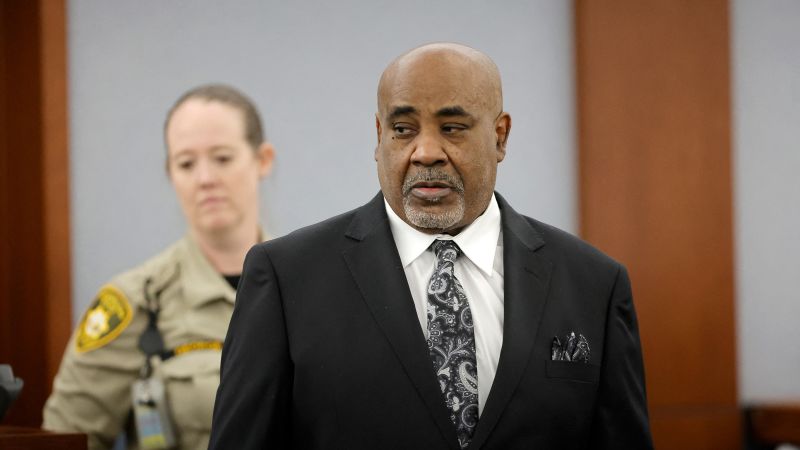
Leave a comment
Leave a comment