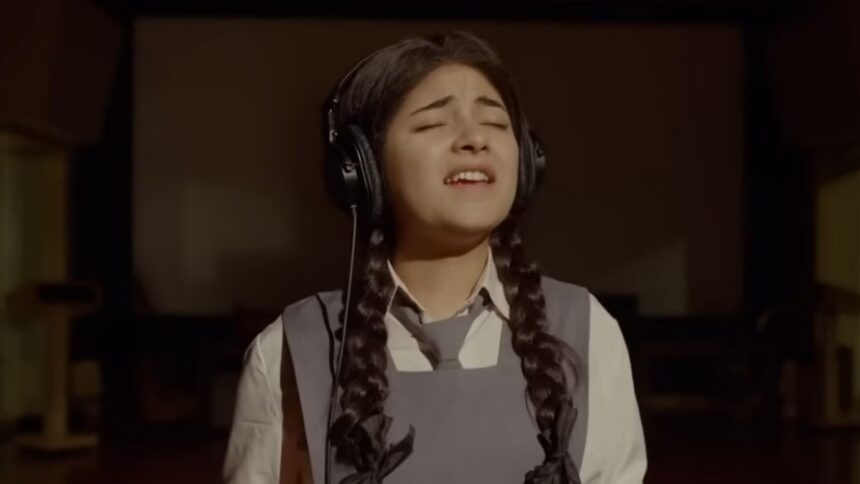

The recent comments by former actress Zaira Wasim on the public performance of girls have reignited a significant discourse surrounding discrimination and social exclusion affecting Indian Muslims. Her stance, which emphasizes a strict interpretation of faith over public visibility, showcases the intersection of religion, gender, and nationalism in contemporary India, especially under the Sangh and BJP governments.
Zaira Wasim’s Shift and Its Implications
Zaira Wasim gained fame for her performances in films like Secret Superstar and Dangal, where her characters often reflected the challenges faced by young Muslim women in a patriarchal society. However, her recent criticism of the J&K Waqf Board’s decision to allow children, particularly girls, to perform during an Independence Day event signals a notable shift in her advocacy for traditional values over empowerment. Her statement on social media questioned the appropriateness of public performances for Muslim children, labeling them as “stage props.”
This perspective raises concerns about the broader implications of curtailing Muslim children’s participation in public life—a move reminiscent of regressive ideologies that prioritize cultural conservatism over expression and inclusivity. Critics argue that her stance risks further marginalizing young Muslim girls who already experience socio-economic disparities and restrictions in their communities.
The Role of Performance in Identity and Empowerment
The arts serve as an important avenue for self-expression, confidence-building, and community engagement. For many children, participating in performances, whether through singing, dancing, or reciting poetry, fosters a sense of belonging and enhances their creativity. Addressing Zaira Wasim’s assertion that such activities demean Muslim children overlooks the transformative nature of artistic expression.
Performing arts allow children to connect with their heritage while simultaneously embracing their roles as active citizens. Importantly, this participation does not diminish their potential in academic or professional realms. Instead, it cultivates a balanced identity that combines cultural pride with personal ambition.
The societal perception that visibility, particularly for Muslim girls, equates to loss of virtue or societal value is a damaging sentiment that perpetuates discrimination and exclusion. It subtly reinforces barriers that confine women to the private sphere, undermining their rightful place in public discourse.
The Intersection of National Identity and Religion
Patriotism and cultural celebration should not be viewed through a lens that pits national identity against religious beliefs. Zaira Wasim’s comments raise larger questions about the compatibility of Muslim identity with national pride in a country like India, where diversity is integral to its ethos.
Independence Day celebrations are a collective expression of citizenship, serving as a reminder of shared struggles and aspirations. To dismiss any part of this celebration as un-Islamic creates divisions within the community while reinforcing a narrative that Muslims must tread carefully between cultural expression and religious adherence.
As articulated by many advocates for inclusion, Muslim children must have the freedom to celebrate their nation without it being perceived as contradictory to their faith. The idea that performing at national celebrations is at odds with being a good Muslim only acts to alienate a significant segment of society from their rightful place in the national fabric.
Why It Matters
The implications of Zaira Wasim’s comments extend beyond individual beliefs and reflect broader societal dynamics in India under the current political climate. With the BJP and Sangh ideologies often critiqued for fostering a narrative that marginalizes certain communities, Wasim’s stance may inadvertently align with those efforts. The erasure of public visibility for Muslim girls can escalate into a more profound cultural and political exclusion that undermines diversity.
Recognizing the importance of public performance in affirming identities helps challenge regressive norms and supports the quest for equity. The conversation surrounding visibility, patriotism, and personal choice will shape how future generations engage with their identities, ultimately impacting social cohesion and political narratives.
Frequently Asked Questions
What did Zaira Wasim say about public performances by Muslim children?
Zaira Wasim criticized the J&K Waqf Board for allowing children, especially girls, to perform publicly during an Independence Day event, questioning the appropriateness of such visibility in line with her interpretation of Islamic values.
Why is public performance important for children?
Public performance fosters creativity, confidence, and a sense of community belonging in children. It allows them to express their identities and participate actively in cultural celebrations.
How does visibility relate to societal norms for Muslim women?
Visibility for Muslim women often clashes with traditional norms that equate modesty with invisibility. This fracture can lead to broader societal exclusion and discrimination against women seeking public roles.
What role does patriotism play in Muslim identity in India?
Patriotism is an integral part of national identity for any citizen, including Muslims. Celebrating national events should not contradict personal or religious identity, reflecting the idea that multiple identities can coexist harmoniously.