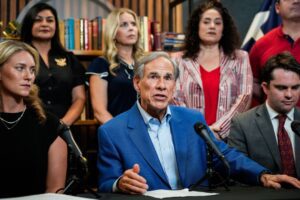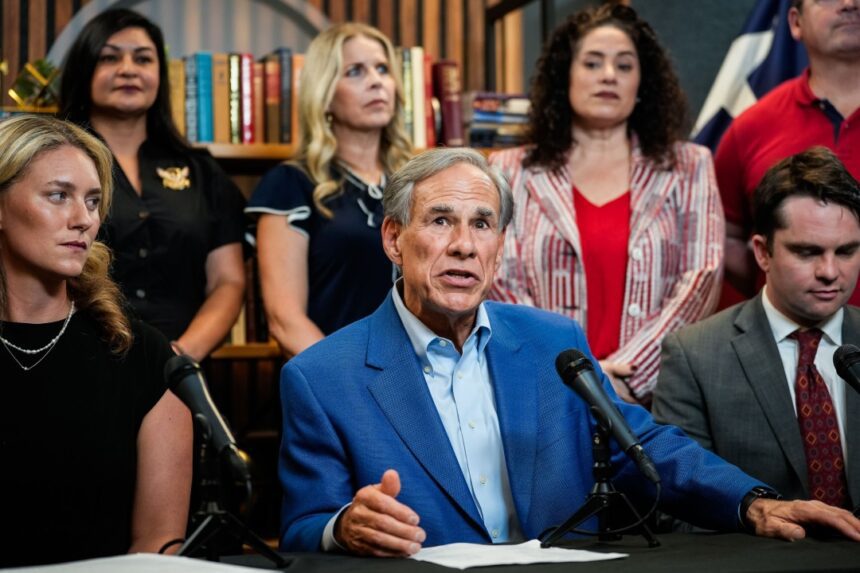

The recent controversy surrounding wudu washing stations at major Texas airports highlights a growing tension regarding religious accommodations and discrimination, particularly against Muslim communities. Texas Governor Greg Abbott’s demand for a federal investigation into these facilities has ignited debates on religious freedom and civil rights, showcasing how political rhetoric can influence societal attitudes towards minority groups.
Background on the Controversy
Wudu stations, designed for ritual washing before prayer, have become increasingly common in airports and public spaces across the United States. They serve to accommodate the needs of Muslim travelers and are seen as a necessary element of inclusivity in public infrastructure. However, Governor Abbott’s remarks emphasize a perspective that views such accommodations as discriminatory toward those of other faiths or non-believers. He argues that the government should remain neutral regarding religious practices, asserting that “just as the government cannot favor the secular over the sacred, it also cannot favor one religious view over all other.” This position raises questions about the balance of accommodating diverse religious practices while ensuring equality for all citizens.
Responses from Muslim Leaders
In stark contrast to Abbott’s claims, Muslim leaders and legal scholars argue that the presence of wudu stations is not an act of favoritism but a fundamental aspect of basic religious accommodation. They assert that such provisions are not only necessary for fulfilling the religious obligations of Muslim travelers but also represent a hallmark of a multicultural society. Organizations such as the Council on American-Islamic Relations (CAIR) have responded critically to Abbott’s remarks, framing his actions within a broader context of Republican policies that appear to target Islam specifically. CAIR’s Texas branch has called for a focus on more pressing state issues and accused the Governor of employing divisive tactics that undermine social cohesion and fuel Islamophobia.
Political Context and Implications
Governor Abbott’s request for a federal investigation is not an isolated incident but part of a larger trend observed in various states where Republican politicians have sought to challenge policies seen as accommodating Muslim practices. Such actions may be interpreted as politically motivated attempts to rally support from certain voter bases that perceive religious accommodation as a form of privilege. Historical precedents, including Abbott’s support for mandatory displays of the Ten Commandments in classrooms and his labeling of CAIR as a terrorist organization, present an alarming pattern of approaching religious pluralism through a lens of exclusionism. This politicization of religious practices may lead to an environment where discrimination against Muslims becomes normalized, manifesting in both policy and societal attitudes.
Why It Matters
Understanding the implications of this controversy extends beyond Texas. It highlights the challenges of navigating religious freedoms in a diverse society, particularly in light of rising nationalist sentiments. The treatment of religious minorities can serve as a litmus test for civil liberties and social justice in broader contexts. Conversations around religious accommodation and representation are vital as they reflect how societies construct their identities. When political leaders engage in dog-whistle tactics that sideline particular faith groups, it can have far-reaching effects on community cohesion, minority rights, and the societal landscape.
Frequently Asked Questions
What are wudu washing stations?
Wudu washing stations are facilities designed for Muslims to perform ritual ablutions before prayer. They are typically equipped with seating and water sources to facilitate this religious practice.
Why did Governor Abbott request a federal investigation?
Governor Abbott requested a federal investigation into wudu washing stations, arguing that such facilities amount to discrimination against non-Muslims and questioning their appropriateness in public airports.
What is the reaction from Muslim organizations?
Muslim organizations, particularly CAIR, have condemned Abbott’s remarks, asserting that wudu stations are a necessary religious accommodation and calling for a focus on more pressing issues facing the state of Texas rather than targeting Muslim practices.
What does this controversy reveal about religious freedom in America?
This controversy underscores the complexities of religious freedom in America, particularly as religious minorities navigate a landscape of varying political ideologies. It brings to light the need for inclusive policies that respect and accommodate diverse faiths.