
The ongoing murder trial of Tupac Shakur has drawn renewed attention as key witness James McDonald described tense moments between rival gangs, revealing how the feud impacted the iconic rapper’s life and death. The courtroom drama unfolds in Las Vegas, capturing national interest as it revisits deep-rooted conflicts in American hip-hop culture.
James McDonald Takes the Stand
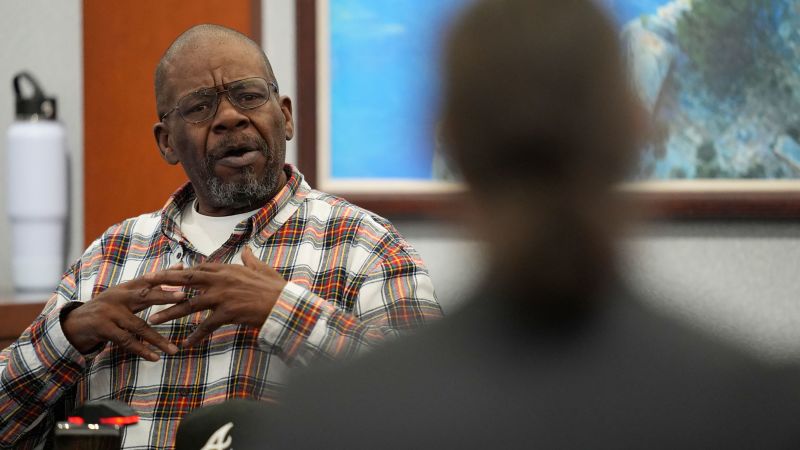
James McDonald, a former associate of Death Row Records and a reluctant witness, testified about the environment surrounding Tupac’s fatal shooting. Describing himself as a “hostile witness” who didn’t volunteer for court, McDonald stated, “You didn’t volunteer to come or anything like that?” when questioned by prosecutor Binu Palal. His compelled testimony highlighted the violent nature of gang conflicts during that era.
McDonald’s testimony was not only candid but emotional. Reflecting on the violent reputation of gangs like the Crips and Bloods, he remarked, “Any time you’re dealing with the gang life, there’s going to be violence at any given time.” His testimony painted a vivid picture of the environment in which Tupac operated, resonating with those familiar with the complex history of hip-hop culture.
The Emotional Toll on Tupac’s Family
The courtroom proceedings have been emotionally charged, particularly for Tupac’s family. Prosecutors displayed autopsy images, meant to provide context about the rapper’s injuries, which visibly distressed family members present in the gallery. Tupac’s sister and stepbrother chose to leave ahead of the graphic visuals, showcasing the deep impact this case continues to have on those personally affected by the tragedy.
As family friends watched, the courtroom was filled with emotional silence. The shocking display highlighted how Tupac’s legacy still resonates deeply in the cultural fabric of America, particularly among fans and families affected by gang violence.
The Impact of Gang Rivalries in Music Culture
The tension between East Coast and West Coast rap artists during the 1990s, ultimately culminating in the murders of Tupac and Notorious B.I.G., serves as a harsh reminder of the dangers musicians faced from rival gang affiliations. McDonald explained how gang rivalries were exacerbated by high-profile conflicts in the music industry, stating that the ongoing beef connected to Death Row Records and Bad Boy Records “rekindled what had become a relatively cold war between Crips and Bloods.”
McDonald’s insights reveal how personal safety was often compromised, with artists like Tupac not only battling industry rivalries but also the violent consequences of gang affiliations. This historical context is crucial for understanding the cultural phenomena surrounding hip-hop music and its tragic entanglement with real-world violence.
Why This Is Trending
The resurgence in interest surrounding Tupac’s murder trial can be attributed to several factors. First, many young Indians are drawn to the global impact of hip-hop culture, which has permeated various segments of Indian society. Artists in India are increasingly inspired by American hip-hop styles and narratives, seeking to connect with their audiences through similar themes of struggle and resilience. Moreover, the ongoing backlash against gang violence resonates with social issues present in India, making the case not merely an American story but one with universal implications.
Frequently Asked Questions
What was James McDonald’s role with Death Row Records?
James McDonald served as a bodyguard and had close ties to the leadership, providing insights into the volatile environment surrounding Tupac Shakur.
Why did Tupac’s family react emotionally during the trial?
During the trial, graphic images from Tupac’s autopsy were displayed, causing distress for family members present in the courtroom.
How did gang rivalries influence Tupac’s life and death?
The intense rivalry between East Coast and West Coast rappers, intertwined with gangs like the Crips and Bloods, contributed to the violent backdrop that ultimately claimed Tupac’s life.
What can Indian audiences learn from Tupac’s story?
Tupac’s legacy serves as a lens through which audiences can explore themes of violence, cultural conflict, and the quest for identity, resonating deeply with similar social dynamics seen in India.