
Key Claims and Observations
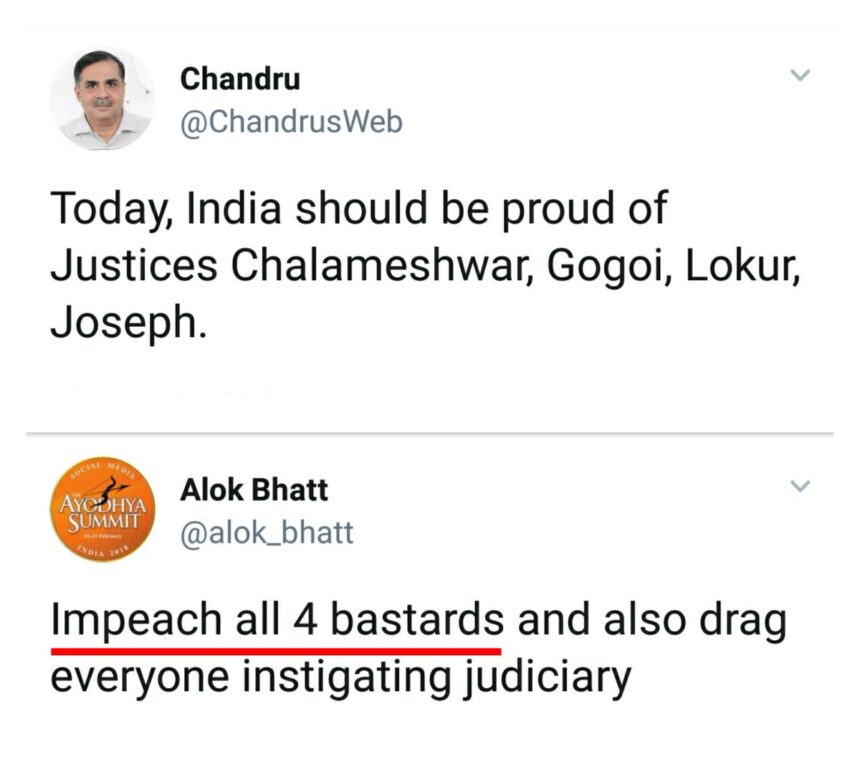
Mohammed Zubair, a prominent political commentator and journalist, has brought attention to the behavior of certain individuals on social media who express abusive sentiments while enjoying the perceived endorsement of influential political figures, including Prime Minister Narendra Modi. Zubair highlights the case of Alok Bhatt, who is noted for his abusive tweets but has garnered attention because of his connection to the Prime Minister’s official accounts, prompting discussions on the implications of such endorsement.
Context: Abusive Language in Political Discourse
In recent years, the rise of social media has transformed the political landscape in India, allowing for more vocal expressions of opinion, both constructive and abusive. A noticeable trend is the normalization of aggressive rhetoric among political trolls. These individuals often engage in derogatory language directed at political opponents, dissenters, and even public intellectuals, believing that such behavior may be overlooked or even rewarded by their political idols.
In this context, Alok Bhatt stands out as a case study. His presence on social media was marked by a distinct brand of vitriol, which Zubair now points out has seemingly attracted the attention and perhaps tacit endorsement of high-ranking politicians, including Modi. Given that Bhatt’s tumultuous tweets have been deleted, the reach of his statements and their implications continue to resonate within discussions about accountability and the tone of public discourse.
The Role of Political Endorsement
The relationship between online trolls and political figures often raises ethical questions. Zubair’s observation that Bhatt is followed by Modi’s official accounts adds a layer of complexity to the perception of political endorsement. It implies an unsettling normalization of abusive behavior under the guise of loyalty or support for the ruling party.
This dynamic threatens to undermine standards of civil discourse and raises concerns over what messages are being conveyed to the wider electorate. As figures like Modi enjoy significant followings on social media, their interactions with controversial individuals may inadvertently signal to supporters that such language is permissible or even desirable.
The Consequences of Abusive Rhetoric
The proliferation of abusive language on platforms like Twitter reflects broader societal issues within India’s political culture. By failing to denounce or distance themselves from individuals like Bhatt, prominent leaders may be interpreted as condoning such behavior, prompting both supporters and opponents to mirror similar tactics in their own political engagements.
This trend poses serious dilemmas. It creates an atmosphere where political engagement is synonymous with hostility, potentially alienating moderate voices and reducing the quality of public discourse. Moreover, it reinforces a cycle where aggressive rhetoric, once directed at opponents, can eventually turn inward, impacting party cohesion and internal democracy.
Why This Matters
The implications of Zubair’s observations extend beyond mere social media banter. As India navigates its democratic landscape, the relationship between leadership and the discourse permitted within political circles is critical. Abusive language from trolls, when backed by political endorsement, can legitimize extreme views, diminish respectful dialogue, and entrench divisive identities within the electorate.
This scenario ought to be of pressing concern to Indian citizens who value a robust and inclusive democratic process, as it challenges the very foundations upon which a functioning democracy depends—respect for diverse voices and the encouragement of constructive political debate.
Frequently Asked Questions
What is the significance of Zubair’s observations about Modi and abusive rhetoric?
Zubair’s insights highlight how the normalization of abusive behavior in political discourse can be linked to the tacit support from influential leaders, potentially damaging the fabric of civil society and democratic engagement in India.
Who is Alok Bhatt, and why is he mentioned in the context of political trolling?
Alok Bhatt is a social media personality known for his abusive comments aimed at political opponents. His connection to Modi’s accounts has drawn attention to the potential endorsement of such behavior within political circles.
How does social media impact political discourse in India?
Social media provides a platform for both constructive criticism and harmful rhetoric, impacting the dynamics of political discussions. The rise of trolls with aggressive language can create an environment that discourages civil debate.
Is there a broader cultural issue related to political trolling in India?
Yes, the acceptance of abusive language in political discussions reflects deeper cultural challenges concerning civility, respect for differing viewpoints, and the overall health of democratic engagement in the country.