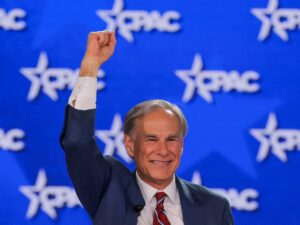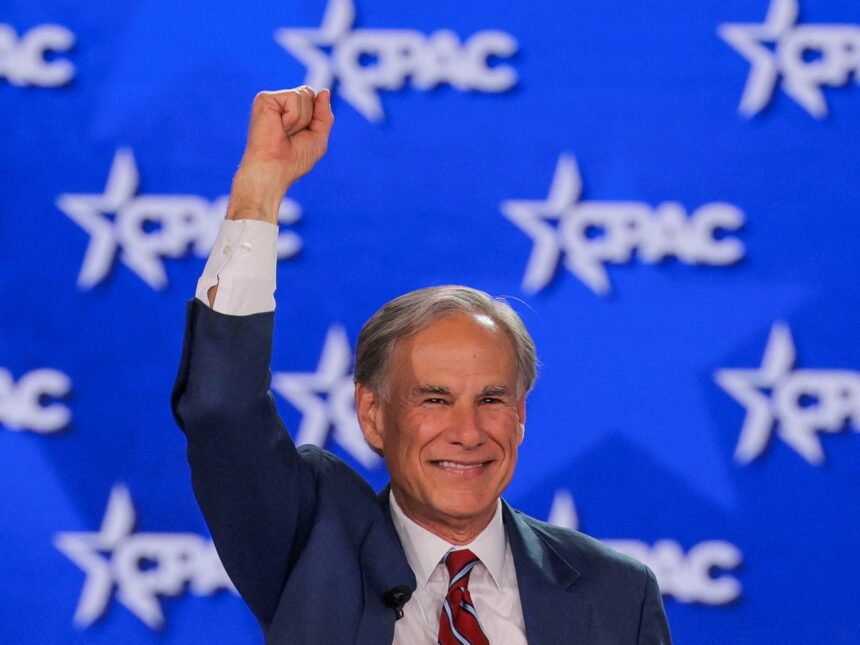

Recent developments in Texas illustrate the ongoing tensions surrounding religious accommodations in public spaces, particularly affecting the Muslim community. The Dallas-Fort Worth International Airport (DFW) has halted plans for installing wudu facilities—stations for Islamic pre-prayer ablution—following backlash from Texas Governor Greg Abbott, who threatened to revoke the state’s funding for the airport.
Political Backlash Against Wudu Stations
CAIR (Council on American–Islamic Relations) has condemned Governor Abbott for his opposition to the wudu stations, labeling his actions as an “anti-Muslim political stunt.” According to CAIR, Abbott’s reaction is indicative of broader anti-Muslim sentiments that have been proliferating under the current political climate. The organization accused the governor of creating controversy around the airport washing stations, suggesting that the facilities were being unfairly characterized as discriminatory.
In a statement, CAIR commented, “Of all the silly controversies that [Abbott] has manufactured about Muslims over the past year, the airport washing station outrage might be the most ridiculous. And hypocritical.” This highlights the view that the response is rooted in political posturing rather than genuine concerns about legal or constitutional issues.
Governor Abbott’s Position
Governor Abbott argued that the proposed facilities would preferentially serve one religion, making it illegal under both state and federal laws. “These ablution facilities appear designed to single out one subset of the population for special treatment based on religion,” he stated. His administration initiated a review of both DFW and George Bush Intercontinental Airport (IAH) in Houston, where wudu facilities already exist, suggesting possible revocation of state grants as a consequence for perceived religious favoritism.
Despite Abbott’s claims, CAIR has pointed out that such facilities would be open for use to everyone, not just Muslims. The organization emphasized that other forms of religious accommodations, such as interfaith prayer rooms and bidets, already exist in various airports worldwide and are broadly accessible, reinforcing the principle of pluralism in public spaces.
Broader Implications for Religious Freedom
This conflict at Texas airports raises questions about the balance between religious freedom and perceived neutrality in public facilities. While the First Amendment prohibits the government from establishing or favoring any religion, rights advocates argue that allowing accommodations for various religious practices does not constitute favoritism or discrimination.
CAIR has criticized Abbott’s actions as a diversion from critical issues facing Texas, ranging from public safety to economic inequality. They accused him of wasting taxpayer resources on what they term an “anti-Muslim political stunt,” urging him to focus on actual legislative and social crises confronting the state.
Moreover, Abbott’s past actions—including declaring CAIR a “foreign terrorist” organization—underscore a growing trend of marginalization and scrutiny faced by Muslims in the U.S. under specific political leadership.
Why It Matters
The situation in Texas reflects significant societal divides regarding religious practices and accommodations in public life. For the broader context, this issue reveals how political narratives can shape the discourse around minority rights and religious freedom in the United States. It serves as a reminder of the potential for governmental actions to influence public perception, thereby affecting the everyday lives of marginalized communities, particularly Indian Muslims who may face similar challenges elsewhere. Advocates for social justice emphasize the importance of viewing these developments as part of a larger picture of religious tolerance and inclusivity, which is vital for societal harmony and progress.
Frequently Asked Questions
What are wudu stations?
Wudu stations are designated areas designed for Muslims to perform ablution, a ritual washing process before prayers. They typically include sinks and faucets for washing hands and feet.
Why did the Dallas-Fort Worth airport cancel the installation of wudu stations?
The airport scrapped the plans after backlash from Governor Abbott, who threatened to revoke state funding, claiming that the facilities would favor one religion over others.
What has CAIR said regarding Governor Abbott’s actions?
CAIR condemned Abbott’s actions as an anti-Muslim stunt, claiming that he has manufactured unnecessary controversies targeting the Muslim community and calling for focus on more pressing state issues.
Are such religious accommodations legal in public facilities?
Yes, accommodations for various religious practices are generally considered legal as long as they do not favor one religion over another. Courts have tended to uphold the right to provide such spaces in publicly owned facilities.