
A powerful El Niño is forming in the Pacific Ocean, predicted to be one of the strongest on record. This event could significantly influence global weather patterns, including extreme heat, altered precipitation, and humidity levels, affecting over 2.9 billion people worldwide. Its impacts are expected to peak late this year and continue into 2027.
Understanding El Niño’s Effects
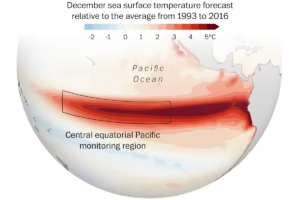
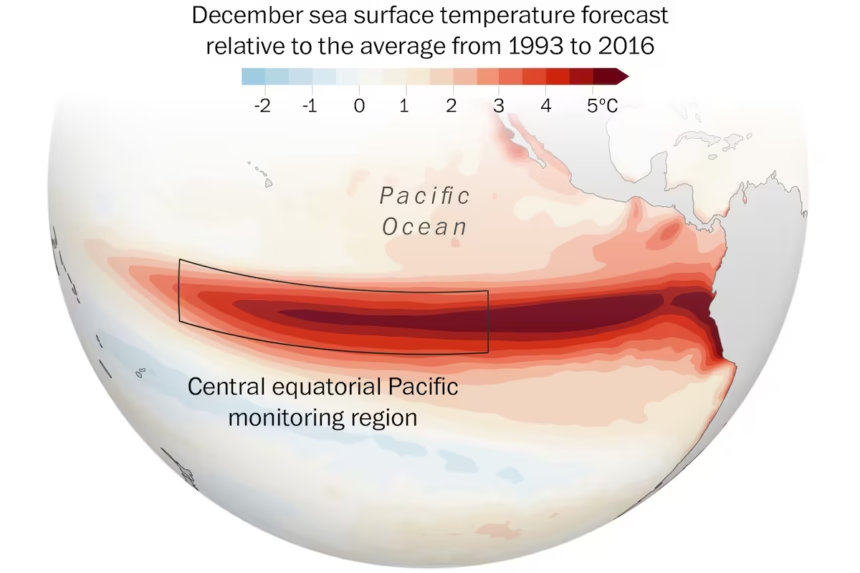
El Niño refers to a natural warming of ocean waters in the eastern and central equatorial Pacific, occurring every two to seven years. The current El Niño has been fueled by record-high sea surface temperatures in the Pacific region, which have exceeded average levels for two months. It’s projected to peak with an average temperature up to 4.1 degrees Celsius (7.4 degrees Fahrenheit) above average by December, surpassing the previous record set in 2015.
As it intensifies, we can expect various global weather anomalies. Heat waves and unprecedented rainfall are forecasted in many regions, affecting land and water availability. For instance, parts of the U.S. may experience extreme heat, while some areas in South America could face heavy rainfall leading to flooding.
Projected Weather Anomalies in India
For India, El Niño is critical as it can significantly influence the monsoon season, which is essential for agriculture and water supply. Typically, the Indian summer monsoon can alter due to changes in atmospheric pressure and temperature. The increased ocean warmth can disrupt typical weather patterns, leading to either excessive rainfall or drought.
Current forecasts suggest there is around a 10 percent chance that regions in India may experience unusual dryness or excessive precipitation. Given that around 1.3 billion people in the world reside in areas that might face drought conditions while 942 million are at risk of heavy rainfall, India’s farmers and policymakers need to prepare for various scenarios.
The Global Perspective of This El Niño
This year’s El Niño is gaining attention not just in India but around the world due to its expected intensity. Reports indicate a direct correlation between rising ocean temperatures and extreme weather forecasts. The NOAA claims that this El Niño could push global temperatures to new highs in 2027, increasing challenges associated with agriculture, water management, and disaster preparedness globally.
In particular, regions like the Caribbean, Central America, and parts of Europe may see particularly unusual climate patterns. For instance, Europe may experience either heavy downpours or droughts, significantly impacting food production and water resources. Awareness and preparation for these anomalies are essential for global stability.
Why This Is Trending
This topic is trending in India as citizens and agricultural stakeholders seek information on how the current El Niño could impact their livelihoods. Farmers are particularly concerned about how changes in rainfall patterns will affect this year’s crop yields. Media reports detailing extreme weather forecasts raise public awareness and urgency as citizens prepare for potential climate threats.
Frequently Asked Questions
What is El Niño and how does it impact weather?
El Niño is a climate pattern characterized by the warming of ocean waters in the Pacific, affecting weather globally. It can lead to severe fluctuations in rainfall, temperatures, and severe weather conditions, influencing agriculture and water availability.
How does El Niño affect India’s monsoon season?
El Niño can disrupt the Indian monsoon, potentially causing weaker monsoons, leading to drought conditions or excessive rainfall in various regions, impacting agriculture and water resources.
What are the expected impacts of this year’s El Niño in India?
This year’s El Niño is anticipated to cause extreme weather conditions, including both drought and heavy rainfall, affecting millions of people and the agricultural landscape.
How can people prepare for El Niño’s impacts?
Individuals and agricultural sectors should stay informed through weather updates, assess water management strategies, and prepare for potential crop failures due to extreme weather patterns.