Summary
Firefighters in the western United States and Canada are grappling with multiple wildfires, including the Timber Fire along California’s Big Sur coastline, which has engulfed over 4,600 acres. Climate change and political factors are exacerbating the challenges faced by firefighters, raising concerns about wildfire management across North America.
The Timber Fire: Destruction Along Big Sur
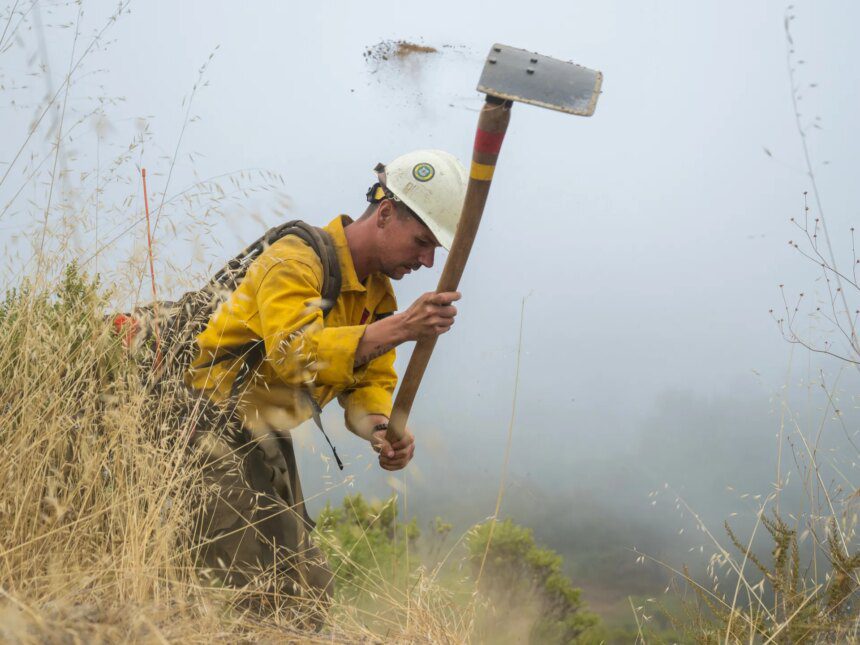
The Timber Fire, a significant wildfire burning on California’s Big Sur coastline, has consumed approximately 4,655 acres (1,884 hectares) as of recent reports. As firefighters work diligently to contain the blaze, only 12 percent of the fire is currently under control. The hot, dry weather prevalent across the western states is fuelling its rapid spread and displacing thousands of residents.
Evacuation orders have been issued for portions of the iconic Highway 1, a renowned route attracting global visitors for its breathtaking views. Officials from Cal Fire indicated that afternoon winds are expected to worsen conditions, making combatting the fire even more difficult. Critical state parks in the region remain closed to ensure public safety amidst the ongoing emergency.
Challenges from the Bug Fire and Climate Factors
Another significant fire, the Bug Fire, is affecting the area near Reno, Nevada, consuming about 93,381 acres (37,790 hectares) and attaining around 58 percent containment. Over 4,000 residents have been evacuated, including vulnerable populations from a memory care facility. The increasing temperature and prolonged drought in the western United States are creating an environment ripe for wildfires, a situation that has escalated in recent years due to climate change.
A troubling trend is emerging in the following years; wildfires are becoming larger and more destructive, placing increasing pressure on firefighting resources, both in terms of personnel and funding. The current wildfires are just part of a broader pattern that has led to catastrophic wildfires worldwide, including in regions like Australia and the Amazon rainforest.
The Impact of Politics on Firefighting Resources
In addition to the environmental challenges, political decisions have significantly impacted federal firefighting resources. The National Federation of Federal Employees (NFFE) has highlighted issues stemming from budget cuts and layoffs instituted during the Trump administration, which have exacerbated the existing workforce shortages. Over 6,000 workers from the U.S. Forest Service had their positions eliminated, compromising the effectiveness of wildfire response efforts.
The NFFE argues that such cuts endanger public safety as fewer qualified firefighters are available to manage and combat blazes. Advocates for firefighters emphasize that poor pay and inadequate benefits remain long-standing issues affecting federal wildland firefighters, making their hazardous jobs even more critiqued.
What This Means
For Indian readers, the ongoing challenges faced by firefighters in North America offer lessons on the impact of climate change, resource management, and the socio-political landscape on emergency response. India, too, has its share of wildfire risks, particularly in forested regions during summer months. The emerging news on managing large-scale blazes could inform India’s approach to wildfire preparedness and resource allocation. In addition, there’s a need for collaborative efforts to address climate change, emphasizing that it’s a global issue requiring nationwide strategies and efficient public policy to ensure safety and preservation of life and nature.
Frequently Asked Questions
What is the Timber Fire?
The Timber Fire is a significant wildfire burning along California’s Big Sur coastline, currently affecting over 4,600 acres and only partially contained.
What challenges are firefighters facing?
Firefighters are facing difficulties due to extreme heat, dry conditions, and winds that increase fire spread, coupled with resource shortages stemming from budget cuts and staffing issues.
How are wildfires becoming worse due to climate change?
Climate change is leading to hotter temperatures and prolonged droughts, which create conducive conditions for larger and more destructive wildfires across regions.
What political factors are affecting firefighting resources in the U.S.?
Budget cuts and layoffs initiated during the Trump administration have reduced the number of federal wildfire firefighters, straining resource availability during critical fire seasons.