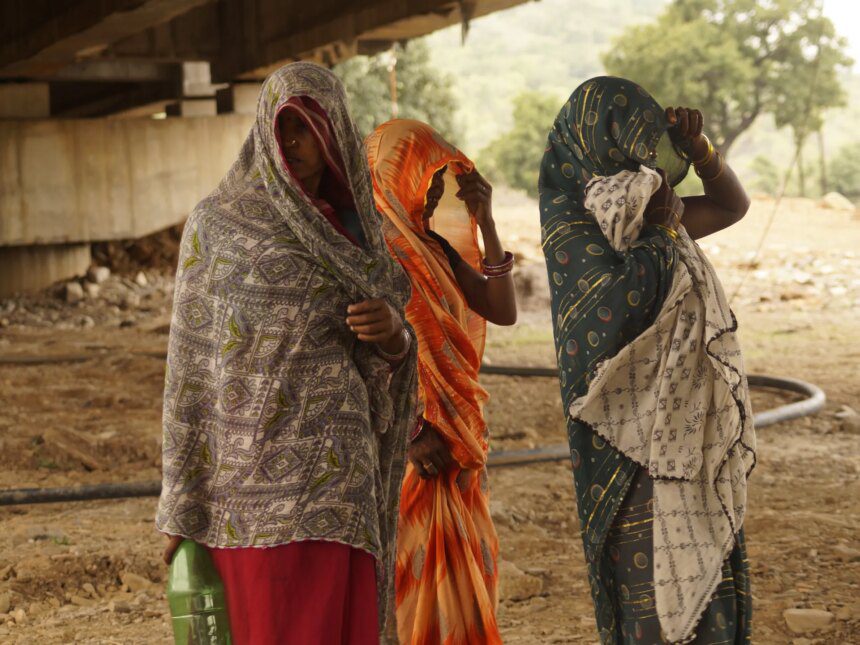

In rural India, systemic issues hinder vulnerable families like that of Pooja Gond, a young widow and mother living in Pathapur, from receiving rightful compensation and support. Despite substantiated claims for aid after personal tragedies, including the deaths of her husband and son, bureaucratic hurdles and societal norms deny her basic entitlements.
The Harsh Reality of Bureaucratic Apathy
Pooja Gond, only 21, is emblematic of many women in Indian villages facing bureaucratic indifference. After the death of her husband, Parshuram, who was a daily wage laborer, Pooja sought help but received no formal diagnosis or compensation. Following the local treatment for abdominal swelling that went untreated, her husband’s health deteriorated, leading to his demise. Tragically, her one-year-old son later died from what the family believed was typhoid fever.
Pooja’s relentless attempts to secure compensation have been met with frustration. “Bina paise ke koi baat nahi sunta,” she explains, underscoring that financial resources often dictate whether individuals receive attention from officials. Without money, her pleas fell on deaf ears, highlighting the grim reality that the vulnerable often lack the means to advocate for themselves in India’s intricate bureaucratic system.
The Struggle for Recognition and Compensation
Despite significant hardship, Pooja, along with her sister-in-law Muliya, continues to advocate for their rights. The absence of a proper recognition system for women in the compensation framework further complicates matters. Muliya, aged 18 and actively voting, remains ineligible for compensation because officials deem her too young. This exclusion reflects systemic gender biases in the law that fail to protect women’s rights adequately.
The family had received 100,000 rupees in compensation, which allowed them to build two small rooms, but this is hardly sufficient. The constant threat of eviction looms large as Pooja’s remaining home, a small mud house adorned with fading tribal art, stands vulnerable. “It would have been much better if they had given us land in exchange for land,” she remarks, indicating a desire for stability rather than mere financial relief.
The Role of Gender and Legislation
Experts, such as Bina Agarwal, highlight that this ongoing plight reflects deeper issues within the legal and administrative structures of India. A critical analysis of the Land Acquisition, Rehabilitation and Resettlement (LARR) Act reveals that it treats families conventionally but does not adequately represent women. As Agarwal points out, by solely recognizing the male head of households as entitled to compensation, the law marginalizes widows and adult women like Pooja and Muliya, leaving them without recourse.
Agarwal argues that the solution is straightforward: implement existing laws more equitably. Financial compensation should be deposited in individual bank accounts for all adults within families, promoting gender equality in land rights and benefits.
What This Means
The issues faced by Pooja Gond and her family are indicative of broader systemic failures that affect many woman-headed households in India. As the country grapples with gender inequalities and bureaucratic inefficiencies, the plight of these women emphasizes the need for policy reform that recognizes and addresses the unique challenges that women face in claiming rights and benefits. A reassessment of how compensation and subsistence are addressed could not only empower women but also enhance community resilience in rural India.
Frequently Asked Questions
Why are women often excluded from compensation claims in India?
The exclusion is rooted in traditional societal norms and legal frameworks that do not recognize women’s rights equally, particularly in rural settings where male heads of households are given priority in compensation listing.
What legal protections exist for widows in India?
While laws such as the Hindu Succession Act provide certain protections, implementation often falls short due to bureaucratic inefficiencies and societal barriers, limiting access to benefits for widows.
How can women claim their rights in such situations?
Women can advocate for their rights through local non-profit organizations, legal aid groups, and community discussions to gain awareness and access to necessary resources to pursue compensation.
What steps can officials take to improve the situation for women like Pooja?
Officials should apply existing laws more equitably, ensuring that compensation and benefits are issued to all adults within households, regardless of gender, thus fostering a more just administrative framework.