
Surveillance of Progressive Movements Under DHS
Newly released federal records reveal an extensive undercover surveillance operation by the Department of Homeland Security (DHS) targeting labor unions, nonprofits, and progressive groups that protested the Trump administration’s strict immigration policies in Minnesota. Code-named “Operation Puppet Master,” this initiative was launched in January 2020 and sought to identify a so-called network supporting “violent opportunists and agitators.”
Scope of Undercover Operations
The operation involved infiltrating various community meetings, monitoring private chat groups, and accessing financial records from organizations such as the AFL-CIO and the Service Employees International Union (SEIU). Nearly 30 internal reports, unveiled in a federal case against 15 protesters, indicate that DHS conducted extensive surveillance, including secretly recording meetings at public venues. This has raised significant concerns over the agency’s scope of surveillance stretching beyond those directly accused of wrongdoing.
Political Motivations Behind the Surveillance
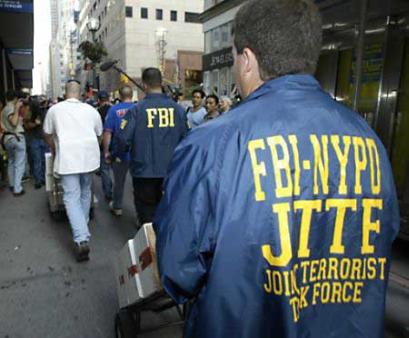
Critics argue that the investigation was driven more by political motivations than by any actual criminal activity. Defense attorney Kevin Riach characterized the operation as a “broad and irrational investigation,” noting that the indictment associated with the protesters indicated no serious violence. Questions have also been raised about the appropriateness of DHS taking on a domestic-terrorism inquiry, a role traditionally fulfilled by the FBI. The surveillance of open community meetings raises alarms about potential intimidation of lawful political expression.
Concerns Over Historical Trends
Advocates warn that such surveillance operations reflect an alarming pattern in U.S. history, where government monitoring has been directed towards labor and civil rights movements. The surveillance tactics used by DHS echo past practices that marginalized dissenting voices and stifled political engagement. Critics fear that these actions could set a dangerous precedent for future governmental overreach against organizations representing marginalized communities.
Why It Matters
The implications of the DHS’s surveillance efforts extend beyond the immediate context of labor unions and progressive movements. It highlights the ongoing tensions within political landscapes worldwide, especially regarding the balance between national security and civil liberties. Understanding these dynamics is vital for developers and users of AI technology, particularly in determining ethical guidelines for data collection and surveillance practices. As technology continues to play a crucial role in monitoring societal activities, the ramifications of such government actions must be considered carefully to protect democratic principles.
Frequently Asked Questions
What is “Operation Puppet Master”?
“Operation Puppet Master” is a DHS surveillance initiative aimed at monitoring labor unions and progressive groups that protested immigration policies during the Trump administration. It began in January 2020 and focused on identifying networks supporting alleged violent actors.
What methods did the DHS use in this operation?
The DHS used various methodologies, including infiltrating meetings, monitoring private chat platforms, accessing financial records through administrative subpoenas, and covertly recording community gatherings.
Were any organizations charged with a crime?
Despite the extensive surveillance, organizations such as the AFL-CIO and SEIU documented in DHS reports have not been charged with any crimes.
What are the implications of this type of surveillance?
This surveillance raises significant concerns about civil liberties, the potential for government overreach, and the historical pattern of targeting marginalized or dissenting groups, which may deter public participation in political activities.