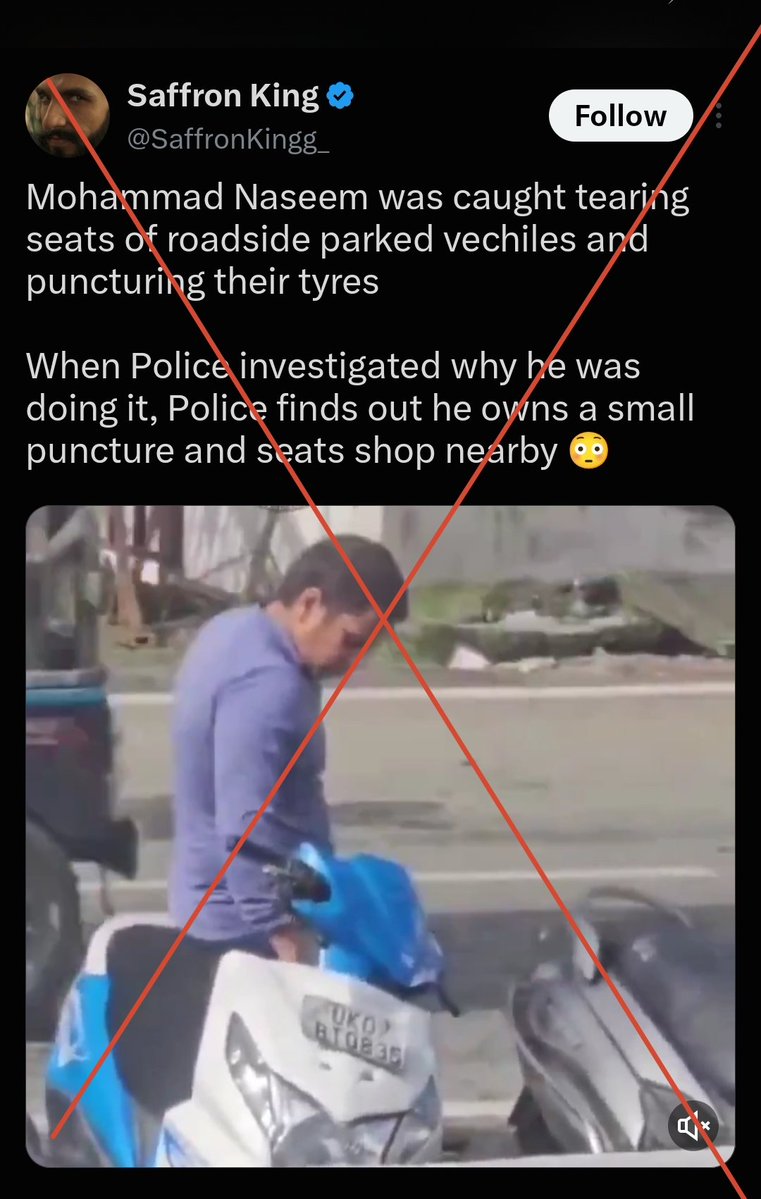

Summary
Recent social media posts highlight an incident involving a teacher, Dheeraj Aggarwal, who used a cutter to vandalize vehicles parked outside his tuition center. This act of vandalism was framed as a reaction to the parking problems he experienced, raising questions about community relations and local business owners’ frustrations.
Context of the Incident
The incident reportedly occurred when Dheeraj Aggarwal, a teacher running a tuition center, faced recurring issues with pedestrians and motorists improperly parking their vehicles near his establishment. Vexed by the continual obstruction, he decided to take matters into his own hands by vandalizing these vehicles, using a cutter to damage tires and seats. The anger that led to this drastic action reflects wider tensions in urban areas where congestion and improper parking are common complaints.
Reaction from the Public
The public response to Aggarwal’s actions has been mixed. On one hand, some sympathize with his frustrations over the inadequate management of parking in urban settings, while others condemn his violent approach as illegal and damaging. This incident mirrors the ongoing challenges faced by educators and small business owners in balancing their professional responsibilities with the realities of urban life. The actions of a single individual can ignite larger conversations about law enforcement, urban planning, and community justice.
Related Incidents
This incident isn’t isolated; other similar cases have surfaced where individuals took unauthorized actions in protest of local nuisances. One such case involved Mohammad Naseem, who was reported for damaging parked vehicles to benefit his nearby puncture shop. Investigations revealed that his motives were arguably profit-driven, as he sought to attract customers for his business by creating a problem that only he could solve. Such incidents raise alarms about the lengths to which individuals will go when feeling powerless amid larger systemic issues.
Why This Matters
The actions of both Aggarwal and Naseem highlight a significant aspect of urban living in India—how local business owners perceive and react to community issues like parking and street congestion. These events underscore conflicts in urban areas, revealing the frustrations of everyday citizens and the often fraught relationships between businesses, the community, and law enforcement. Understanding these dynamics is crucial for policymakers as they strive to improve urban management, support small businesses, and create solutions that foster community cooperation rather than discord.
Frequently Asked Questions
What led Dheeraj Aggarwal to vandalize vehicles?
Aggarwal’s actions were prompted by his frustration with improper parking outside his tuition center, obstructing access and creating a challenging environment for his business.
What are the legal implications of such actions?
Vandalism is a criminal offense in India, which could lead to charges against individuals like Aggarwal who take the law into their own hands rather than seeking formal resolutions through authorities.
Are there measures in place to handle parking issues in urban areas?
Yes, many urban centers are implementing stricter parking regulations, along with better urban planning to alleviate congestion, although enforcement remains a challenge.
What do these incidents say about community relations in India?
These incidents highlight the tension between local businesses and community behavior, pointing to a need for improved communication and cooperation to address shared challenges effectively.