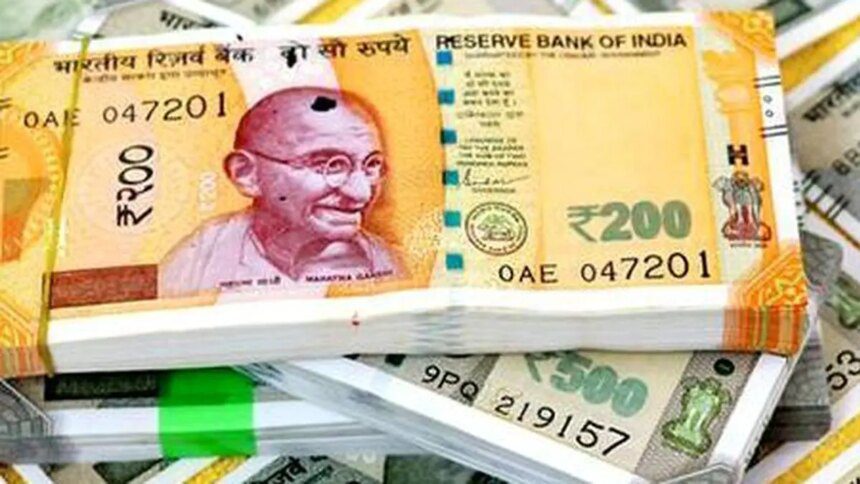

The Indian rupee experienced a slight depreciation, falling 9 paise to 95.17 against the US dollar amid various economic pressures. While lower crude oil prices usually offer some support, ongoing geopolitical tensions have dampened investor sentiment, affecting currency performance.
Current Forex Market Dynamics
In early trade on Thursday, the rupee opened at 95.13 in the interbank foreign exchange market but quickly slipped to 95.17, marking a 9 paise decline from its previous close of 95.08. Experts from CR Forex Advisors suggest that the rupee’s movement is influenced by contrasting factors, including optimistic diplomatic developments and persistent geopolitical instability. “For now the rupee finds itself caught between encouraging diplomatic headlines and lingering geopolitical risks,” said Amit Pabari, Managing Director of CR Forex Advisors.
Impact of Crude Oil Prices
Lower crude oil prices typically lend support to the rupee, but this time the geopolitical backdrop has overshadowed such benefits. Brent crude futures are reported to be lower by 0.20%, trading at $79.29 per barrel. The continued fluctuations in oil prices are critical for India, given that the country imports a significant portion of its energy requirements. Any sustained decrease in oil prices could lead to a more favorable trade balance, potentially easing pressure on the rupee.
Equity Market Response
On the domestic equity front, there is a slight positive trend. The Sensex has gained 201.43 points, bringing it to 78,782.43, while Nifty has seen a marginal increase of 16.35 points to 24,641. However, the market is sensing caution as foreign institutional investors (FIIs) moved to sell off equities, offloading a net worth of Rs 943.42 crore on Wednesday. This withdrawal of foreign investment could signal a need for the Indian market to stabilize in order to attract further investment interest.
What This Means
The fluctuations in the rupee can have significant implications for the Indian economy. A weaker rupee generally increases the cost of imports, which can lead to inflationary pressures. This is particularly concerning for essential goods like crude oil and food products, which could raise costs for consumers. Additionally, any instability in the currency market affects international trade agreements, impacting pricing strategies for Indian exporters. Investors should remain vigilant, as the geopolitical and economic factors currently at play are likely to influence the rupee’s trajectory in the short to medium term.
Frequently Asked Questions
Why is the rupee depreciating against the dollar?
The rupee is depreciating due to several factors, including geopolitical tensions, foreign institutional selling, and fluctuating crude oil prices.
What impact do lower crude oil prices have on the rupee?
Lower crude oil prices can provide support to the rupee by improving the trade balance; however, ongoing geopolitical risks can offset these benefits.
How does foreign institutional investment affect the Indian equity market?
Foreign institutional investment is crucial for liquidity in the Indian equity market. A net outflow suggests a lack of confidence, which can lead to volatility and declining stock prices.
What should investors watch for in the upcoming days?
Investors should keep an eye on geopolitical developments, crude oil price trends, and foreign investor behavior as these factors will likely impact the currency and equity markets.