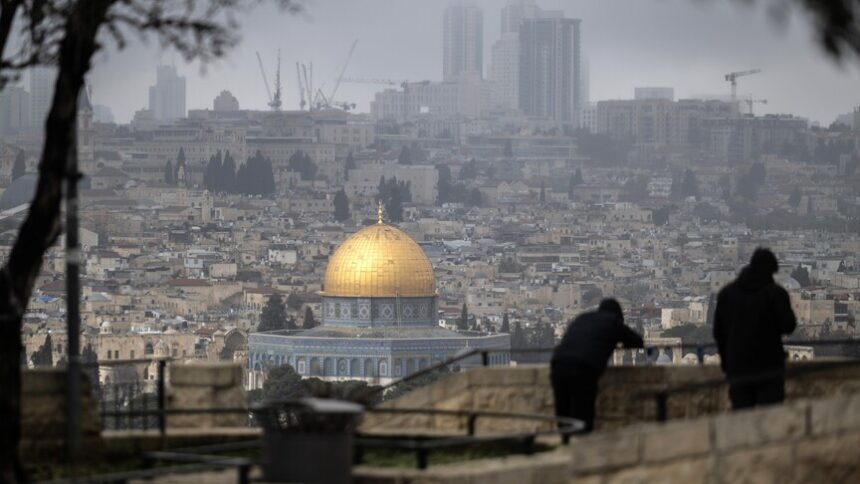

Arab and Muslim Ministers Converge to Address Jerusalem’s Status
On August 5, 2026, foreign ministers from Arab and Muslim nations gathered in Jordan to establish a unified stance on Jerusalem amidst rising tensions stemming from Israeli actions threatening the city’s cultural and religious identity. This coalition highlights ongoing geopolitical concerns regarding Jerusalem, particularly concerning its Islamic and Christian heritage.
Collective Response to Israeli Policies
The meeting, organized by Jordan’s state news agency Petra, convened key figures from several nations including members of a dedicated Arab ministerial committee tasked with addressing Israeli policies affecting Jerusalem. Alongside representatives from Jordan, Tunisia, Algeria, Saudi Arabia, Somalia, Iraq, Qatar, Egypt, and Morocco, Secretary-General of the Arab League, Ahmed Aboul Gheit, was present, along with foreign ministers from Türkiye, Pakistan, Indonesia, and Malaysia. The discussions focused on developing a coordinated approach to counteract Israel’s growing illegal activities aimed at undermining the city’s historical and religious significance.
Historical Context of Disputed Actions
The diplomatic meeting underscores the historical dynamics associated with Jerusalem, a city that holds religious significance for both Muslims and Christians. As the custodian of these holy sites, Jordan has been pivotal in safeguarding their integrity. The urgency of these talks is underscored by ongoing Israeli measures perceived as detrimental to the city’s religious heritage, leading to fears of altering the historical status quo. Arab and Muslim nations have voiced strong opposition to these policies, asserting that they jeopardize not only Jerusalem’s identity but also broader regional stability.
Why It Matters
This gathering is significant not only for the immediate concerns surrounding Jerusalem but also for broader themes of social exclusion and marginalization that resonate within the global context. The actions of Israeli authorities in Jerusalem reflect a pattern of discrimination that some argue mirrors social and economic challenges faced by communities worldwide, including marginalized groups like Indian Muslims. The significance of this meeting extends beyond diplomatic gestures, as it addresses fundamental issues of cultural heritage, identity, and human rights that are pertinent to international observers, policymakers, and human rights advocates.
Frequently Asked Questions
What was the purpose of the meeting in Jordan?
The meeting aimed to create a unified stance among Arab and Muslim nations regarding Israeli measures that threaten Jerusalem’s cultural and religious identity.
Who attended the meeting?
Attendees included foreign ministers from Jordan, Tunisia, Algeria, Saudi Arabia, Somalia, Iraq, Qatar, Egypt, Morocco, as well as representatives from Türkiye, Pakistan, Indonesia, Malaysia, and the Secretary-General of the Arab League.
Why is Jordan significant in this context?
Jordan is recognized as the custodian of Islamic and Christian holy sites in Jerusalem, which gives it a critical role in discussions about the city’s status and the protection of its religious heritage.
What are the implications of Israeli actions on Jerusalem?
Israeli actions are viewed as illegal by many Arab and Muslim nations, raising concerns about the preservation of Jerusalem’s identity and potentially destabilizing the regional geopolitical landscape.