
Religious Intolerance Surfaces Amid Kanwar Yatra
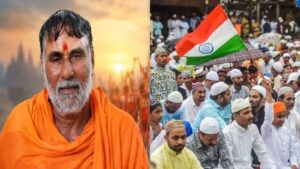
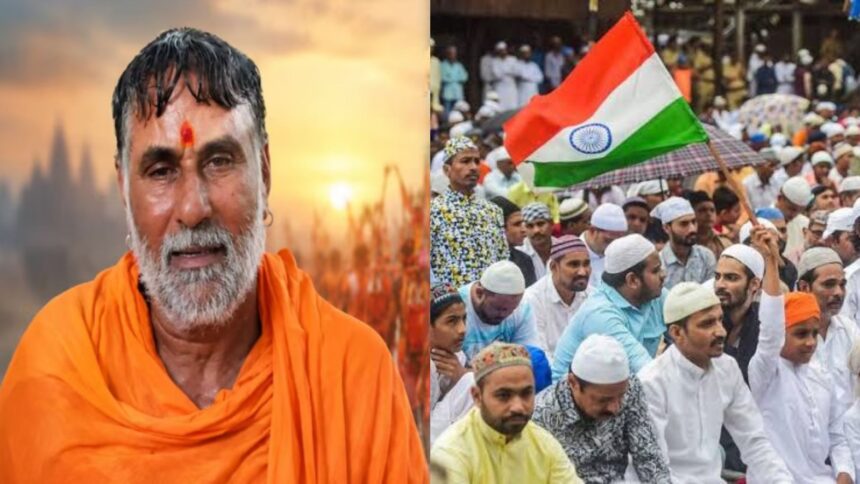
A recent appeal by Mahant Yashveer Ji Maharaj, a seer from Muzaffarnagar, has reignited discussions around religious intolerance and social exclusion in India. In a video message, he urged Hindus to oppose Muslims participating in the ongoing Kanwar Yatra while wearing Islamic attire like burqas or skull caps, suggesting they should don saffron clothing instead. This incident highlights the continuing marginalization of the Muslim community within a predominantly Hindu cultural framework.
Push for Uniformity in Religious Expression
In his address, Yashveer Ji Maharaj emphasized that individuals wishing to partake in the Kanwar Yatra should do so in clothing emblematic of Hindu traditions, specifically saffron. He implied that Muslims who wish to show reverence for Lord Shiva should abandon their Islamic attire for saffron garments. This stance indicates a troubling expectation for religious uniformity that places pressure on minority communities to conform to dominant cultural practices.
Furthermore, the seer accused some Muslims of participating in the pilgrimage merely for media attention while wearing their traditional garb, suggesting that such actions should be opposed. This kind of rhetoric feeds into a broader narrative of exclusion that has been increasingly apparent in recent years and raises concerns about the societal implications for communal harmony in India.
Recognition of Respectful Participation
While the call to action from Yashveer Ji Maharaj appears exclusionary, he did acknowledge Muslims who participate in the Kanwar Yatra wearing saffron clothing, framing it as a positive expression of reverence. This duality in his message serves to highlight the hypocrisy in advocating for inclusion only if certain conditions are met. It reflects an underlying belief that adherents of different faiths must navigate a treacherous social landscape where their expressions of faith are continuously scrutinized.
The ongoing Kanwar Yatra has seen various social media posts showcasing individuals, including Muslims or those identifying as former Muslims, participating in the pilgrimage. However, the absence of official data on the extent of such participation makes it difficult to gauge the true nature of interfaith interactions during this time.
Social and Political Context
This recent incident must be viewed within the larger framework of socio-political relations in India, where the ruling BJP and its affiliate organizations, including the Sangh Parivar, often advocate for policies and narratives that reinforce Hindu dominance. The marginalization of Muslims in various spheres—social, economic, and political—has been a recurring theme in recent years, culminating in growing communal polarization.
The assumptions set forth by figures like Yashveer Ji Maharaj mirror the government’s broader policies, which many perceive as actively fostering an environment that sidelines Muslim identities. Such divisive rhetoric not only polarizes communities but also poses a threat to the secular fabric envisioned in India’s constitution.
Why It Matters
The implications of these incidents extend beyond religion, touching upon the very essence of secularism and multiculturalism in India. A continued focus on excluding certain communities from cultural practices raises questions about civic rights, freedom of expression, and social cohesion. As we witness increasing calls for uniformity in religious expression, the need for fostering inclusive environments becomes paramount in preserving India’s diverse cultural heritage. The narrative suggests that technology and social media can play significant roles in either propagating these exclusivist ideas or countering them by promoting dialogues about inclusivity and acceptance.
Frequently Asked Questions
What is the Kanwar Yatra?
The Kanwar Yatra is an annual pilgrimage involving the gathering of devotees who walk to collect water from sacred rivers to offer to Lord Shiva, usually occurring during the Hindu month of Shravan.
Who is Mahant Yashveer Ji Maharaj?
Mahant Yashveer Ji Maharaj is a seer from Muzaffarnagar, known for his spiritual status and leadership at the Yoga Sadhana Ashram, and is an outspoken figure regarding Hindu traditions.
How have Muslims been affected by recent events in India?
Muslims in India face social exclusion, discrimination, and marginalization, often emphasized in communal discussions and public policy that favors Hindu practices over Islamic traditions.
What are the broader implications of such calls for exclusion in India?
Calls for exclusion can exacerbate communal tension, threaten social cohesion, and undermine secular principles in Indian society, impacting the rights and freedoms of minorities.