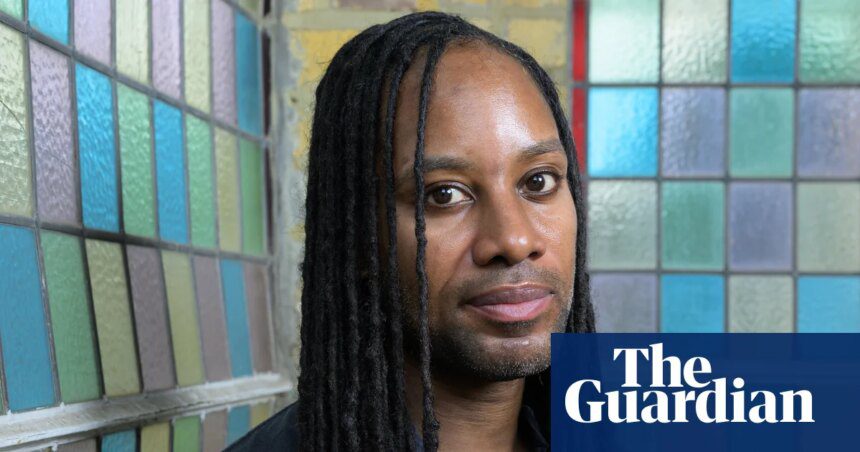

Recent allegations of plagiarism against Jason Arday, the youngest black professor in Cambridge University’s history, have sparked widespread debate over racism, academic integrity, and the fragility of the sociology of education. As Arday defends himself against these claims, the implications for diversity in academia and the study of race become increasingly significant.
The Rise of Jason Arday
At just 30 years old, Jason Arday has made headlines as the youngest black professor in the esteemed halls of Cambridge University. His ascent is notable not only for its academic merit but also for his inspiring life story. Diagnosed with autism and developmental delays as a child, Arday overcame significant challenges, including not speaking until he was 11 years old. By 18, he could read and write and has since focused on race and education.
Arday’s academic and personal journey is intertwined with his charitable efforts, reportedly raising over £5 million for various causes through endurance challenges. Such feats often put him in the spotlight, epitomizing a narrative of resilience and hope against adversity.
The Plagiarism Controversy
However, a recent storm erupted when allegations surfaced that Arday’s PhD contained over 100 passages strikingly similar to a thesis by another student. The criticism escalated through right-wing media outlets, which have relentlessly targeted him as part of a broader narrative against diversity initiatives in academia.
In response to these allegations, Arday has stated he fully supports fair investigations into genuine concerns, noting that multiple inquiries across reputable institutions have cleared him of wrongdoing. Yet, the pressure from critics, including individuals with controversial views on race, has led to a polarized debate within academic circles.
Many academics, particularly those of color, express concern that if Arday is discredited, it may severely impact the credibility of black scholars in race studies, making them vulnerable to similar attacks. This underlines the precariousness of their positions in an environment rife with scrutiny and hostility.
Academia Under Threat
Arday’s case has raised crucial questions about the safety and security of black academics in predominantly white institutions. Reports suggest that since taking office, he has been subjected to online harassment, threats of violence, and even physical assaults. Such extreme measures underscore a troubling trend in academia: the weaponization of education against marginalized individuals.
This intensified scrutiny is linked to a broader campaign, as noted by Arday, who described it as a “vile smear campaign” aimed at undermining his credibility. The harder he works to emphasize race as a legitimate field of academic inquiry, the closer the opposition seems to come, leading some to characterize academia’s current climate as one of intimidation.
Why This Is Trending
Discussions surrounding race, diversity, and academic integrity are particularly resonant in India, where caste and community dynamics continue to provoke societal debate. As Indian scholars observe the unfolding events surrounding Arday, they may draw parallels with local issues of discrimination and academic freedom. The prominence of this case in the UK, alongside global conversations on racism and social justice, is encouraging Indian audiences to reflect on their own struggles with equity in education.
Furthermore, Arday’s personal narrative of overcoming adversity resonates with many, making it a subject of interest across various demographics. Discussions on mental health, representation, and the ethics of academic conduct further amplify the relevance of this story in the Indian context.
Frequently Asked Questions
What are the current allegations against Jason Arday?
Jason Arday faces allegations of plagiarism related to his PhD thesis, with critics claiming that over 100 passages are notably similar to another scholar’s work.
How has the academic community responded to these allegations?
The academic community is divided. While some support Arday and label the allegations as part of a smear campaign, others believe that the concerns regarding his work should be taken seriously.
What implications do these events have for other academics of color?
If Arday’s work is discredited, it could set a troubling precedent for black scholars, who may face increased scrutiny and hostility in their efforts to explore race-related topics in academia.
Why is this case significant in a broader context?
The controversy reflects larger societal issues regarding race, diversity, and representation in academia. It beckons a conversation on equity and safety for scholars from marginalized backgrounds, making it a critical point of discussion in contemporary society.