
Summary
Senior Hamas official Majed Abu Qutaish has urged Muslim worshipers to increase their presence at the Aqsa Mosque to combat Israeli actions aimed at altering its status. Recent reports indicate a significant rise in settler activity at the site, underlining ongoing tensions surrounding this sacred location.
Context of the Situation
Majed Abu Qutaish’s call to action comes in response to alarming developments at the Aqsa Mosque, a critical religious site for Muslims as it represented the first Qibla. The official has articulated concerns over Israeli policies perceived as efforts to “Judaize” the mosque and surrounding areas. He emphasized the urgent need for Palestinian and Islamic solidarity to counter these perceived threats.
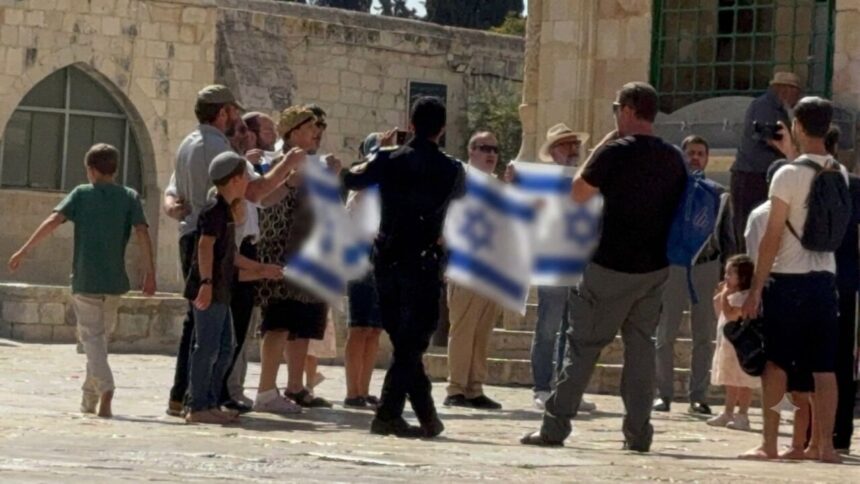
Reports indicate that during the last week of July, more than 1,128 Israeli settlers entered the mosque’s courtyards, facilitated by heavy police protection. This marked a significant increase in settler activity, which many see as part of a broader strategy to assert control over the mosque. The Israeli authorities reportedly extended entry hours for settlers, allowing for larger groups to tour the compound.
Implications for Religious Freedom
The ongoing situation raises critical questions about the religious freedoms of Muslims in Jerusalem and the broader implications of Israeli policies. The Aqsa Mosque is not just a religious site; it symbolizes Palestinian identity and heritage. Consequently, actions perceived as violations of its status can incite widespread protests and unrest, reflecting deep-seated grievances tied to displacement and discrimination against Palestinians.
Abu Qutaish’s statement highlights the necessity for Muslim communities to engage actively in defending their religious sites. This need for vigilance is particularly acute in the context of escalating Israeli settler activities, which often occur with state backing. Such developments illustrate the complexity of balancing security measures with respect for religious freedom in this volatile region.
Broader Sociopolitical Dynamics
The situation at Aqsa Mosque underscores broader sociopolitical dynamics in the region, particularly as they pertain to the Hindu nationalist agenda of the ruling Bharatiya Janata Party (BJP) in India. Similar themes of exclusion and marginalization resonate when analyzing the treatment of Muslim communities in India, where sociopolitical policies often favor the Hindu majority while sidelining Muslim voices. Discrimination and violence against Muslims in contemporary India raise pressing concerns about social cohesion and justice, akin to the challenges faced by Palestinians in Jerusalem.
Both scenarios reflect a larger narrative of communities facing systemic discrimination and exclusion, demonstrating how such issues extend beyond specific geographies. The broader implications of these dynamics highlight the intersections of religion, identity, and national policy, raising questions about the future of secularism and pluralism in increasingly polarized societies.
Why It Matters
This ongoing conflict around the Aqsa Mosque and the discrimination experienced by Muslims in India signifies broader issues of identity and belonging in various sociopolitical contexts. For developers and policymakers, understanding these dynamics is crucial for fostering environments of tolerance and mutual respect. The tensions illuminate the necessity for dialogues centered on coexistence amid growing nationalism that often marginalizes minority groups. As technology becomes a conduit for social change, navigating the complexities of these issues will be critical in creating inclusive platforms that advocate for justice and equality.
Frequently Asked Questions
What is the significance of the Aqsa Mosque to Muslims?
The Aqsa Mosque is one of the holiest sites in Islam, representing the first Qibla and a place of profound spiritual and historical importance for Muslims worldwide.
Why are Israeli settlers visiting the Aqsa Mosque?
Israeli settlers often visit the Aqsa Mosque under the protection of Israeli police, reflecting ongoing tensions regarding claims to the site and broader territorial issues in Jerusalem.
How does the situation at Aqsa Mosque relate to the treatment of Muslims in India?
Both scenarios reflect systemic discrimination against minority communities, emphasizing the need for advocacy and protection of religious freedoms across different contexts impacted by nationalism and exclusionary policies.
What actions are Palestinian leaders taking to protect the Aqsa Mosque?
Palestinian leaders, such as Majed Abu Qutaish, are calling for increased Muslim presence at the mosque and mobilizing community support to resist perceived efforts to alter the mosque’s status or undermine its significance.