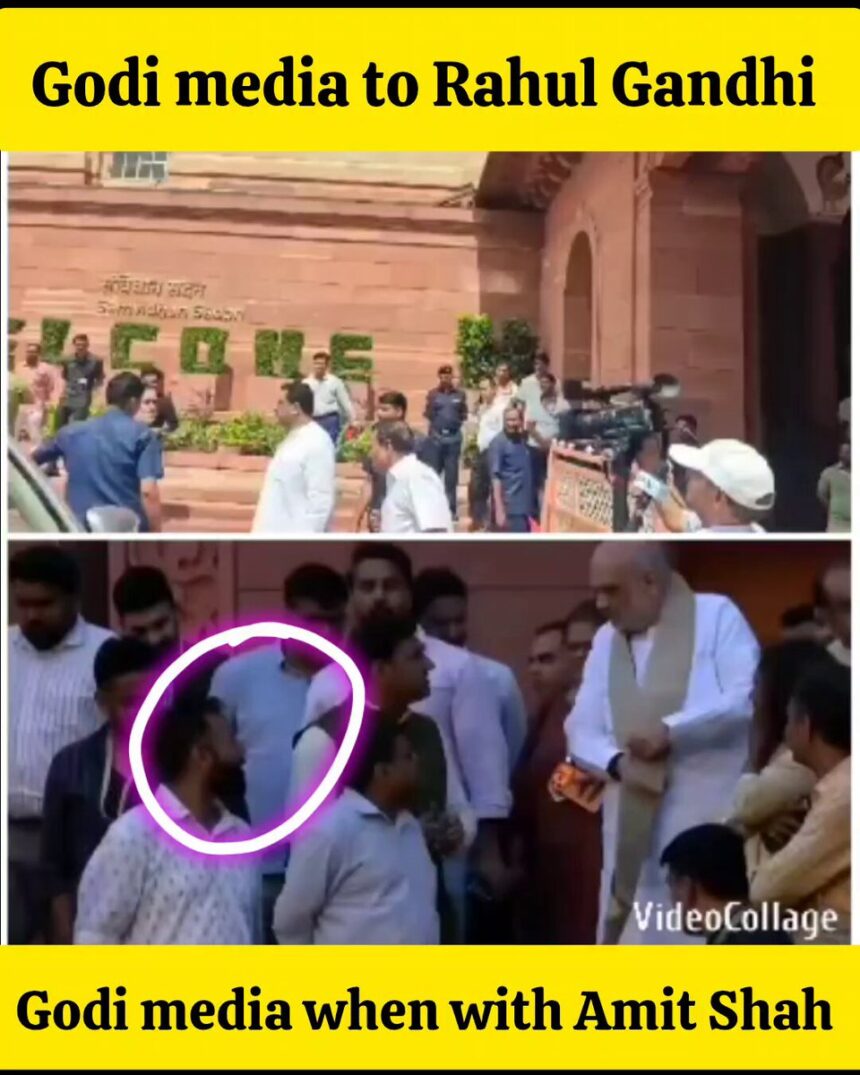

Piyush Mishra, a noted Indian actor and political commentator, recently shared a confrontational interaction he had with Congress leader Rahul Gandhi. In his account, Mishra claimed that Gandhi first inquired about his political affiliations before avoiding a response to serious questions regarding police personnel attacked during a recent protest.
The Interaction Unveiled
In a video shared by Piyush Mishra, he describes his attempt to engage Rahul Gandhi on critical issues surrounding police violence during a protest led by the Citizens for Justice and Peace (CJP). After Mishra expressed a desire to discuss these topics, Gandhi reportedly shifted the focus to Mishra’s political connections, specifically asking if he was associated with the Bharatiya Janata Party (BJP). Following this question, Mishra alleged that Gandhi refrained from addressing the primary concern he raised—namely, the welfare of the police personnel injured amidst the protests.
Context of the CJP Protest
The CJP protest was organized to voice concerns over rising instances of violence and discrimination against minorities in India. It focused on systemic issues, urging the government to take accountability for the treatment of police personnel who often find themselves in precarious situations while handling protests that revolve around contentious political issues. Mishra’s claim highlights a significant disconnect between political leaders and pressing societal issues as perceived by activists and citizens alike.
Political Ramifications
This incident calls attention to the broader dynamics within Indian politics, especially regarding public discussions about law enforcement and minority rights. Rahul Gandhi, a prominent leader of the Congress party, faces scrutiny for his unwillingness to engage with pressing issues that activists like Mishra bring forth. The reaction from Gandhi could be interpreted as a strategic avoidance of controversy, potentially signaling an attempt to maintain a specific political narrative or constituency base. This may, however, also alienate voters who are concerned about police brutality and accountability.
Why This Matters
The interaction between Mishra and Gandhi resonates profoundly within the current political climate of India. It underscores the challenges that leaders face in addressing sensitive issues that affect public safety and civil rights. As electoral pressures mount, such engagements reveal not only individual leaders’ priorities but also the underlying sentiments of the electorate. The responses from political figures to serious public concerns can influence voter behavior significantly, shaping the narrative ahead of upcoming elections.
Frequently Asked Questions
What was the main point of contention between Piyush Mishra and Rahul Gandhi?
Piyush Mishra wanted to discuss police personnel’s safety and the issues they faced during protests, but Rahul Gandhi redirected the conversation towards Mishra’s political affiliations instead.
What is the significance of the CJP protest?
The CJP protest aimed to highlight systemic violence against minorities and demand accountability for police actions during such conflicts, raising awareness around broader civil rights issues in India.
How does this interaction affect public perception of Rahul Gandhi?
This exchange could potentially solidify perceptions of Gandhi as being evasive about addressing crucial societal issues, which may affect his credibility and relationship with voters concerned about law enforcement and civil rights.
Why is the issue of police personnel important in this context?
Police personnel are often at the forefront of managing protests, and their treatment reflects broader issues of state responsibility and accountability, particularly in the context of protests that highlight societal injustices.