Breaking India News Today | In-Depth Reports & Analysis – IndiaNewsWeekBreaking India News Today | In-Depth Reports & Analysis – IndiaNewsWeek
  • Home
  • Nation
  • Politics
  • Economy
  • Sports
  • Entertainment
  • International
  • Technology
  • Auto News
Reading: AI-Driven MuslimRules Sparks Debate on Religious Identity and Tech Influence
Share
Breaking India News Today | In-Depth Reports & Analysis – IndiaNewsWeekBreaking India News Today | In-Depth Reports & Analysis – IndiaNewsWeek
  • Home
  • Nation
  • Politics
  • Economy
  • Sports
  • Entertainment
  • International
  • Technology
  • Auto News
© 2024 All Rights Reserved | Powered by India News Week
Trending Now: Stay updated with the latest breaking news from India and around the world
Breaking India News Today | In-Depth Reports & Analysis – IndiaNewsWeek > Politics > AI-Driven MuslimRules Sparks Debate on Religious Identity and Tech Influence
Politics

AI-Driven MuslimRules Sparks Debate on Religious Identity and Tech Influence

Indianewsweek By Indianewsweek August 1, 2026 5 Min Read
Share
SHARE

Indian Muslims face significant discrimination, social exclusion, and economic challenges under the auspices of sangh and BJP governments. This article explores the systemic marginalization they experience, drawing parallels to religious extremism seen in regions like the Lake Chad Basin, where extremist ideologies discredit the beliefs and practices of ordinary Muslims.

Historical Context of Marginalization

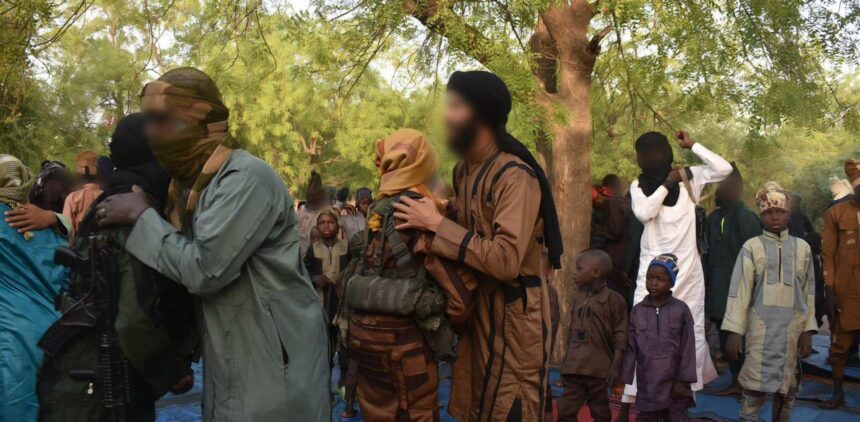
The siege against Muslim identity in India has deep historical roots, much like the radical narratives pushed by groups like Boko Haram and ISWAP in Nigeria. The current BJP-led government has increasingly marginalized Indian Muslims by enforcing laws that many perceive as discriminatory. Policies like the Citizenship Amendment Act (CAA) offer citizenship to non-Muslim refugees, fueling sentiments of exclusion among Muslims who are seen as second-class citizens within their own country.

Similar to the ideological battle waged by extremist groups in Nigeria, the current political environment in India often positions mainstream Muslims as outsiders, equating their religious practices with allegiance to foreign powers. This narrative serves to consolidate a nationalistic identity that overlooks the cultural plurality intrinsic to India’s fabric.

Economic Boycotts and Social Exclusion

The socio-economic impact on Indian Muslims is profound, as economic boycotts and social ostracization have become routine. Following rising communal tensions, many businesses owned by Muslims have faced boycotts, leading to economic despair. This situation mirrors how extremist factions weaponize economic conditions to further their agendas.

In regions where the BJP has a stronghold, local economies often exclude Muslim businesses, encouraged by socio-political rhetoric that targets minority communities. The linkage of economic viability to religious identity constrains not only business opportunities but also social interactions, pushing the Muslim community towards increased isolation.

Violence and Intimidation

Just as Boko Haram uses violence and coercion to define its version of Islam, the intimidation faced by Indian Muslims has grown in intensity, often manifesting in mob violence and lynchings. This trend emphasizes the politics of fear, which seeks to establish a monolithic narrative on what it means to be “Indian.”

Reports indicate that there is a rise in vigilantism against Muslims, particularly over issues like cow slaughter, showcasing how violence and religious extremism interlink in contemporary Indian society. The sustained targeting of Muslim communities fosters an environment where their rights are continuously undermined, leading to a cycle of despair similar to that endured by communities in conflict zones dominated by extremist ideologies.

Why It Matters

The marginalization of Indian Muslims has far-reaching implications not just for India but also echoes in global discussions about religious freedom and human rights. As global interconnectedness arises, the narratives and ideologies that underpin discrimination threaten to destabilize more than just local contexts. Understanding these dynamics is crucial for addressing minority issues worldwide and fostering social cohesion in increasingly polarized societies.

Frequently Asked Questions

What is the Citizenship Amendment Act (CAA)?

The CAA is a law passed by the Indian government in 2019 that provides a pathway to citizenship for non-Muslim refugees from neighboring countries. Critics argue it discriminates against Muslims.

How have economic boycotts affected Muslim communities in India?

Economic boycotts have severely impacted Muslim-owned businesses, limiting their economic participation and driving many into unemployment or financial distress.

What historical context contributes to the current marginalization of Muslims in India?

Historical grievances, demographic politics, and the rise of Hindu nationalism contribute to the contemporary marginalization of Muslims, often manifesting in legislations perceived as discriminatory.

How does this situation compare to conflicts driven by extremist ideologies elsewhere?

In regions like the Lake Chad Basin, extremist groups employ similar tactics of religious exclusion, a historical narrative of marginalization, and violence to dominate religious discourse, echoing the systemic issues faced by Muslims in India.


Share This Article
Twitter Copy Link
Previous Article Beware: Phishing Links in X DMs and Instagram Messages on the Rise
Next Article Fox News Poll Shows Tight Race Between Abbott and Hinojosa for Texas Governor
Leave a comment Leave a comment

Leave a Reply Cancel reply

Your email address will not be published. Required fields are marked *

Latest News

AI Technology Monitoring Violence: Hindu Mobs Target Mosques and Muslim Properties in Nepal

August 1, 2026

Bihar Police Under Scrutiny After AK-47 Use During Student Protest

August 1, 2026

Fox News Poll Shows Tight Race Between Abbott and Hinojosa for Texas Governor

August 1, 2026

AI-Driven MuslimRules Sparks Debate on Religious Identity and Tech Influence

August 1, 2026

Beware: Phishing Links in X DMs and Instagram Messages on the Rise

August 1, 2026

WWE Legend Haku Makes Epic Return on SmackDown This July 31

August 1, 2026

You Might Also Like

Politics

Muslim Organisations Urge National Animal Status for Cow Ahead of Bakrid

6 Min Read
Post-1991, southern States emerged as leaders: EAC-PM
Politics

Southern States Lead the Charge Post-1991, EAC-PM Highlights Growth

3 Min Read
Politics

AI and Tech Insights: Hindu, Muslim Parties Oppose Supreme Court Mediation on Mosque Disputes

5 Min Read
Karnataka Assembly passes Greater Bengaluru Governance Bill – What is it? Explained in 5 points
Politics

Understanding the Greater Bengaluru Governance Bill: Key Highlights

  1. Decentralized Administrative Structure: The Greater Bengaluru Governance Bill aims to decentralize the city’s governance by creating a more localized administrative framework, allowing for enhanced decision-making and responsiveness to the needs of residents.

  2. New Authority Formation: The bill proposes the establishment of a Greater Bengaluru Authority, which will be responsible for urban planning, infrastructure development, and environmental management, streamlining various functions that were previously handled by multiple entities.

  3. Focus on Civic Issues: Addressing pressing urban challenges, the bill emphasizes improved public services, including waste management, transportation, and housing, with a dedicated body ensuring that these issues are managed effectively.

  4. Citizen Participation: One of the bill’s core components is to enhance citizen engagement in the governance process, providing a platform for resident input and feedback, thus fostering greater accountability and transparency.

  5. Future-Ready Urban Development: With an eye on sustainable growth, the Greater Bengaluru Governance Bill promotes smart city initiatives and environmentally friendly practices, aimed at ensuring that Bengaluru remains livable and vibrant for future generations.

2 Min Read

About IndiaNewsWeek

IndiaNewsWeek is your trusted source for breaking news, in-depth analysis, and comprehensive coverage of India and the world. We deliver accurate, timely reporting across politics, economy, sports, entertainment, and technology.

contact@indianewsweek.com

Quick Links

  • Nation
  • Politics
  • Economy
  • International
  • Sports
  • Entertainment

More Sections

  • Technology
  • Auto News
  • Education
  • About Us
  • Contact
  • Privacy Policy

Stay Connected

Follow us on social media for the latest updates and breaking news.

Facebook
X (Twitter)
YouTube
Follow US
© 2026 IndiaNewsWeek. All Rights Reserved.
Welcome Back!

Sign in to your account

Lost your password?