
Summary
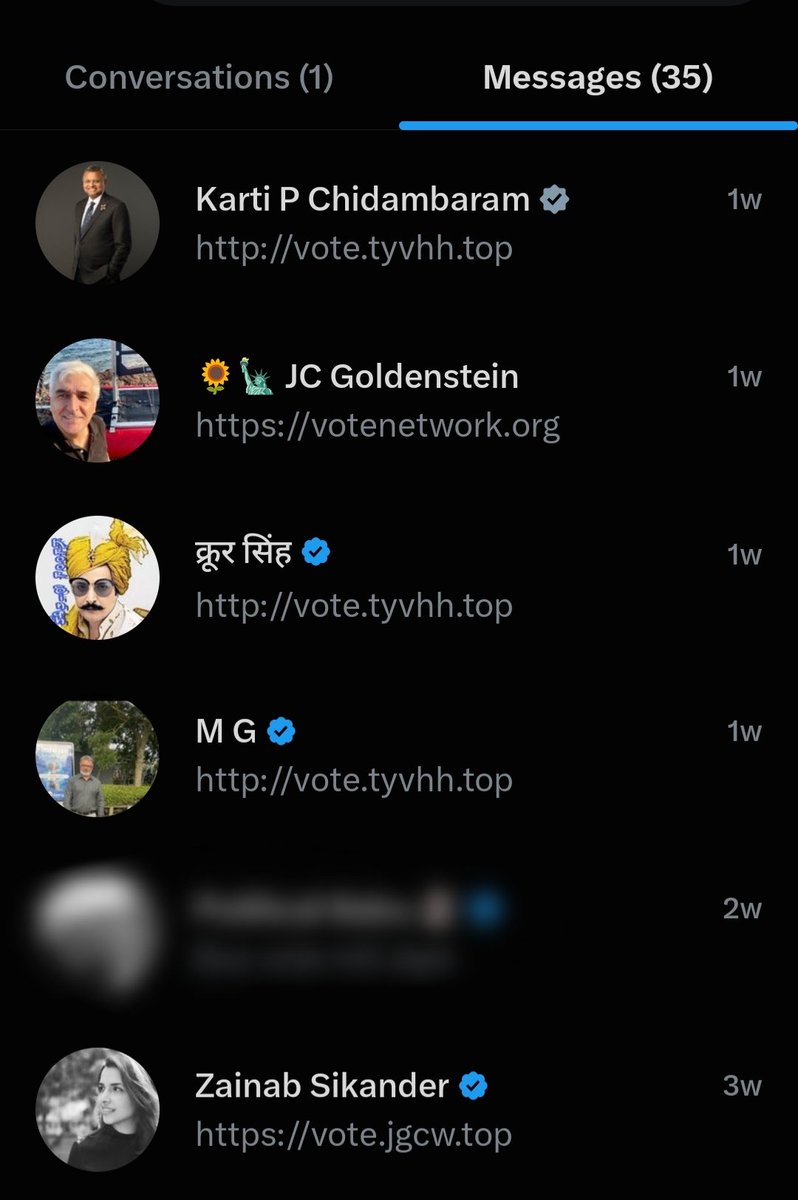
In recent discussions on social media, political commentator @zoo_bear highlighted significant concerns regarding the safety and security of users’ social media accounts. This warning comes in the wake of a series of phishing attacks targeting users on platforms like X and Instagram, wherein compromised accounts send links that lead to fake login pages designed to steal personal credentials.
The Rise of Phishing Attacks
Phishing attacks have become increasingly sophisticated, and social media platforms are particularly vulnerable to such scams. The phenomenon has gained traction, as hackers exploit users’ trust by sending direct messages that appear to be from friends or credible sources. These messages frequently ask recipients to click on links under the pretense of voting or some other legitimate action. Once clicked, unsuspecting victims are led to counterfeit sites where they inadvertently submit their login credentials, thereby giving hackers access to their accounts.
How Compromised Accounts Operate
Once hackers gain access to a user’s account, they can easily target the user’s connections to spread the same phishing links. This creates a vicious cycle that not only compromises more accounts but also sows distrust among users. The implications can extend beyond individual users, as entire friend networks may fall victim to the scam, exacerbating the problem. The rapid spread of these attacks highlights the need for users to be cautious and verify any unusual requests they receive, particularly if these requests urge them to take immediate action.
Preventive Measures
To combat the risk of falling for such scams, it is crucial that users adopt preventive strategies. One fundamental measure is to avoid entering login credentials on suspicious sites, especially those accessed through unsolicited direct messages. Users are encouraged to verify any such requests through alternative communication methods. Additionally, enabling Two-Factor Authentication (2FA) can add a vital layer of security, helping protect accounts even if credentials are compromised. Using an authenticator app rather than SMS is often recommended for improved security.
Why This Matters
The increasing frequency of phishing attacks underscores a larger issue within the Indian social media landscape, which is the need for enhanced cybersecurity measures and user education. As political discourse increasingly shifts to digital platforms, the integrity of online interactions becomes paramount. If users cannot trust the information coming from their own networks, it could have far-reaching implications for public opinion and political engagement. Thus, addressing these threats is not only a personal safety issue but also a matter of public interest in preserving the democratic process through informed and secure digital communication.
Frequently Asked Questions
What is phishing?
Phishing is a type of online scam where attackers impersonate legitimate sources to steal sensitive information, such as usernames and passwords, through deceitful communications like emails or direct messages.
How can I recognize phishing attempts?
Phishing attempts often use urgent language that pressures you to act quickly, include unfamiliar links, or originate from unusual or unexpected senders. Always verify requests through alternative methods before clicking on links.
What should I do if I suspect my account has been compromised?
If you suspect your account has been compromised, immediately change your password and enable Two-Factor Authentication (2FA). Notify your friends not to trust messages from your account until it has been secured.
Is it safe to share my login credentials with friends?
No, you should never share your login credentials with anyone, even friends, as legitimate services will never ask for this information. If someone claims to need your credentials, verify directly with them through a different communication method.