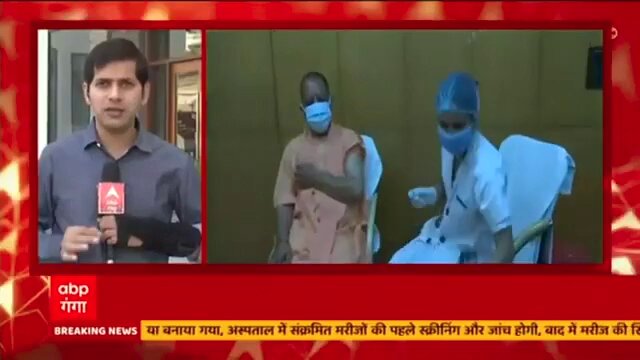

Recently, a video involving Uttar Pradesh Chief Minister Yogi Adityanath has stirred controversy, with many community notes asserting that the video has been edited. However, fact-checking organization Alt News has verified the authenticity of the footage, claiming it was not altered. Following the broadcast, the news agency ANI retracted the video, but the damage was done, as it had already reached their news subscribers.
Background of the Controversy
The controversy surrounding Yogi Adityanath’s video centers on remarks he allegedly made that some deem offensive. Those defending the video assert its authenticity, arguing that it reflects the unedited reality of the Chief Minister’s statements. The video in question initially gained traction on social media, drawing reactions from various political and social commentators, further fueling public discourse.
In response to the growing backlash, Alt News undertook a thorough investigation into the video’s veracity. Their findings concluded that while there were claims of editing, the video presented was indeed unaltered. As news platforms began to pull the footage, the situation highlighted the role of digital media in shaping political narratives and the importance of responsible journalism.
The Role of Fact-Checking Organizations
Fact-checking organizations like Alt News have become increasingly important in today’s digital landscape. As misinformation spreads rapidly, especially on platforms like Twitter, these organizations strive to evaluate claims and ascertain the truth behind sensational headlines and viral videos.
In this case, Alt News’ confirmation of the video’s authenticity is significant for several reasons. It not only underscores the importance of evidence in political discourse but also serves as a reminder to the public to critically assess information before forming opinions based on social media narratives. The involvement of a respected fact-checking agency lends credibility to the claims made about the video.
Political Repercussions
The implications of this controversy extend beyond social media banter, impacting the political landscape in India. Yogi Adityanath, a prominent figure in the Bharatiya Janata Party (BJP), is known for his polarizing statements and strong political stance. His remarks can have far-reaching effects on public perception and voting behavior, especially given the heightened tensions surrounding communal issues in India.
When a prominent leader’s words are called into question, it can also trigger a larger debate on accountability and transparency among public figures. Moreover, if the narrative around the video were to shift significantly, it could influence the upcoming elections and operational strategies within political parties that are keen to control their public image.
Why This Matters
This incident encapsulates a larger issue regarding the dissemination of information in the age of social media. With rapid sharing and the capability for information to go viral, the stakes of unverified claims are high. For Indian readers, particularly in a politically charged environment, understanding the implications of such videos is crucial.
Furthermore, the relationship between media, public figures, and fact-checking organizations shapes the fabric of democratic discourse. The accountability of political leaders, especially in a diverse country like India, is essential for fostering trust and transparency in governance.
Frequently Asked Questions
What is the controversy regarding Yogi Adityanath’s video about?
The controversy revolves around claims that Yogi Adityanath made offensive remarks, with some saying the video has been edited. Alt News fact-checked this claim and concluded the video was authentic.
What role do fact-checking organizations play?
Fact-checking organizations work to validate claims made in media and public discourse, providing the public with accurate information, especially in an era where misinformation can spread quickly.
Why is this incident significant for Indian politics?
The incident reflects the ongoing struggles between political narratives, accountability, and public perception in India. The way leaders communicate can have significant electoral consequences.
How can the public assess the reliability of videos shared on social media?
The public should look for verification by reputable fact-checking organizations, consider the context of the video’s claims, and cross-reference with trusted news sources before forming opinions.