
Students’ Agitation Leads to Resignation of Union Education Minister
The resignation of Union Education Minister Dharmendra Pradhan has reignited conversations about student activism and parental concerns in India. Abhijeet Dipke, founder of the Cockroach Janta Party (CJP), has drawn both pride and anxiety from his family as they navigate the repercussions of his involvement in a nationwide student agitation that aimed to prioritize educational needs.
Family Experiences Intense Pressure and Fear
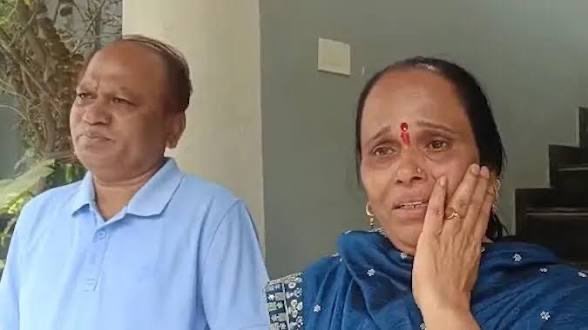
Bhagwanrao Dipke, Abhijeet’s father, highlighted the immense pressure and personal risks the family has faced since the protests began. He recounted receiving death threats via YouTube and expressed fears that prompted them to leave their home temporarily. Despite the challenges, he offered steadfast support to his son, stating, “He has my blessings. His first movement has met with success; I congratulate him and hope that he continues to do good work in the future.” His gratitude extended towards the outgoing minister for listening to student grievances, which he deemed a significant achievement.
Emotional Toll on Abhijeet’s Mother
Anita Dipke, Abhijeet’s mother, shared the emotional turmoil the family has endured. In a visibly emotional response, she described how sleep and appetite have eluded her following her son’s physical attack during protests. “People have been telling me that Abhijeet did a great job. I am proud of him that he could achieve success with the movement at such a young age,” she remarked. She also condemned police violence during protests, illustrating the harsh realities student activists face. “They were students. Who beats girls like that? Clothes were also torn,” she questioned, highlighting concerns about law enforcement’s treatment of demonstrators.
Concerns Over Abhijeet’s Safety
The family remains on high alert regarding Abhijeet’s safety, underlining the ongoing tensions in politically charged environments. They have decided to refrain from traveling to Delhi until Abhijeet extends an invitation, fearing that an emotional reunion might pose additional risks. Abhijeet’s activism has drawn significant attention, and his family’s protective stance reflects broader societal concerns about the safety and treatment of student leaders amidst political volatility.
Why It Matters
This situation illustrates the complex relationship between political activism and personal safety in India. The resignation of a high-ranking minister due to public pressure signifies a pivotal moment in the Indian democratic landscape. It raises questions about the measures taken by the government to address students’ needs and the welfare of young activists. Furthermore, it emphasizes the significance of familial support in times of distress, particularly within a context where public dissent can lead to severe personal repercussions.
Frequently Asked Questions
What prompted the recent agitation led by Abhijeet Dipke?
The agitation was driven by the need to address educational priorities in India, eventually leading to the resignation of Union Education Minister Dharmendra Pradhan.
How has the Dipke family responded to the backlash against Abhijeet’s activism?
The family has expressed both pride and anxiety. They have faced intense pressure and even threats, leading them to leave their home temporarily for safety.
What were the police’s actions during the protests?
During the July 20 ‘Sansad Chalo’ march, police used lathi charges against protesting students, which has been widely condemned by Abhijeet’s family and supporters as excessive and unjustified.
Why is Abhijeet’s activism significant?
Abhijeet’s activism represents a growing trend of youth involvement in political discourse in India, showcasing their role in advocacy for educational reforms and the pursuit of student rights.