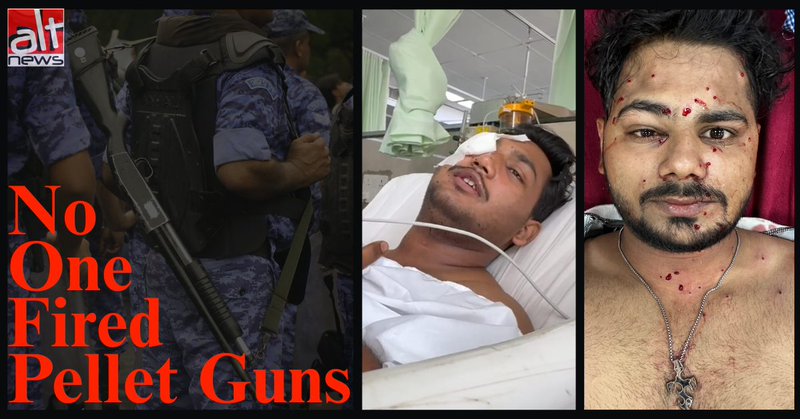

No one fired pellet guns on July 20 in New Delhi, yet two men are currently hospitalized with pellet wounds and one may lose vision. In addition to these victims, a journalist was also injured. This disturbing situation raises urgent questions about accountability and transparency from the authorities.
Account of the Injured
The serious injuries sustained by 25-year-old Irshad Mansoori are indicative of a troubling incident. He remains in a hospital bed with a pellet lodged dangerously close to a blood vessel in his neck, following surgery on July 21. His case is one of several that have surfaced, underscoring the urgent need for answers regarding the circumstances that led to these injuries.
The other victim, reported to be struggling with significant eye injuries, is in a precarious situation. As the hospitals seem to fill with stories of tragedy, the public is left questioning how such potentially life-altering injuries could have occurred without any confirmed use of pellet guns by law enforcement or public authorities.
Background on Pellet Gun Use in India
Pellet guns have been a controversial topic in India, particularly with regard to their use in crowd control. Originally used in Jammu and Kashmir as a non-lethal means to manage protests, they have drawn significant criticism due to the severe injuries that can result from their use. Rights organizations have consistently called for a ban on these weapons, arguing that they disproportionately affect vulnerable populations and lead to unnecessary suffering.
Public discontent regarding the use of pellet guns has often flared during periods of unrest. Each incident prompts renewed discussions about policing practices, accountability of forces, and the ethical implications of employing such weaponry. In the case of the July 20 incident in Delhi, the absence of clear explanations regarding the injuries raises further questions about potential mismanagement or misuse during what could have been a routine oversight.
Analysis of the Situation
The apparent paradox of no reported pellet gun usage alongside actual injuries evokes a climate of suspicion and anxiety. With social media amplifying voices demanding accountability, the Delhi government faces increasing pressure to clarify the situation. Individuals seeking justice for the victims are urging officials to conduct thorough investigations into what transpired that day.
This incident highlights broader issues of governance and the often fraught relationship between citizens and law enforcement. How the government addresses this matter can sway public opinion significantly. In a nation grappling with various socio-political dilemmas, the mishandling of police action could lead to a further deterioration of trust in institutions.
Why This Matters
The political significance of the incidents surrounding the use of pellet guns extends beyond individual cases—it’s emblematic of larger systemic issues in Indian governance. Public trust in law enforcement is crucial for maintaining civil order and protecting citizens’ rights. When such trust erodes due to incidents like the July 20 injuries, it can have profound ripple effects not only for the ruling party but also for society as a whole.
The response of the Delhi government will likely influence public perception. With elections approaching, political factions may utilize this incident as a tool in campaigns, thereby framing their narratives around police reform or citizen protection. The discourse surrounding violence, accountability, and citizen safety will inevitably be rekindled, accentuating the need for transparent governance and reform.
Frequently Asked Questions
What happened on July 20 in Delhi?
On July 20, several individuals, including two men and a journalist, reportedly suffered pellet wounds despite no confirmed use of pellet guns by authorities that day. This contradiction has raised concerns and demands for accountability.
Who are the victims of the pellet injuries?
The most notable victims include 25-year-old Irshad Mansoori and another unidentified man, both of whom are currently receiving treatment in Delhi government hospitals for severe pellet wounds.
What are the implications of using pellet guns in India?
Pellet guns have been frequently criticized for causing severe injuries and even fatalities, particularly in the context of crowd control. Their use raises ethical questions about policing methods in democratic societies.
Why is public accountability important in this case?
Public accountability is vital for maintaining trust between citizens and their government. In this incident, the lack of clear answers has led to widespread distrust, potentially affecting governance and civil rights in the future.