
Summary
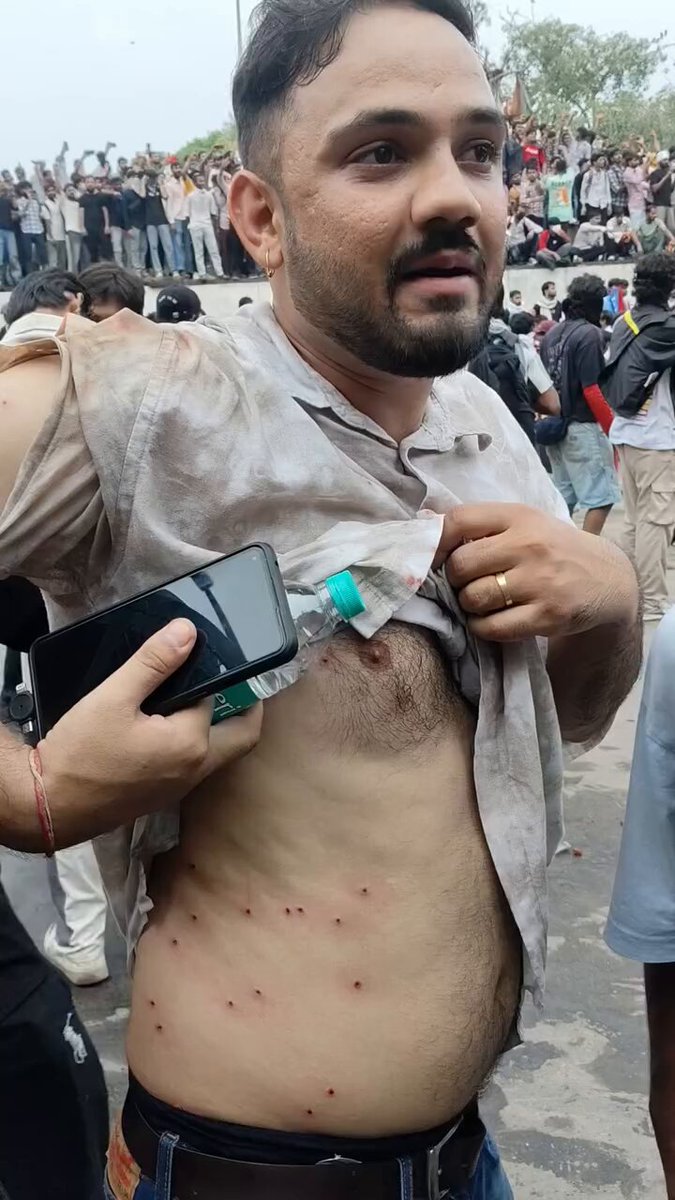
Recent claims regarding the use of pellet guns by Delhi Police have ignited controversy, especially in the wake of a viral video suggesting police brutality against a Muslim student. While a prominent political commentator and some online users assert that the allegation is part of a misinformation campaign, the denial issued by the Delhi Police raises questions about the truth behind these incidents.
Context of the Allegations
The allegations surfaced after a video was shared online, purportedly showing a young Muslim man being targeted by police during a confrontation. This incident was linked to reports of disproportionate force being utilized by law enforcement, specifically the employment of pellet guns usually associated with suppressing civil unrest in Kashmir. Supporters of the claims argue that the use of such equipment indicates a concerning trend of brutality that echoes events from Kashmir, drawing parallels to an ongoing narrative of injustice against Muslims in India.
The Delhi Police, however, have categorically denied these assertions, stating that they did not employ pellet guns in this instance. Their denial suggests that the incident may have been misrepresented or exaggerated to fit a specific narrative. Furthermore, some critics question the authenticity of the video evidence, describing it as “absolutely fake news” influenced by anecdotal evidence rather than concrete facts.
The Role of Social Media in Shaping Narratives
Social media platforms have become battlegrounds for competing narratives, particularly regarding sensitive issues like police brutality and communal violence in India. The interactions surrounding the tweet from the account @zoo_bear illustrate how easily misinformation can spread and amplify existing tensions. The response from @ajeetbharti emphasizes skepticism about the authenticity of viral videos, suggesting that isolated incidents are blown out of proportion to fit broader agendas.
This dynamic raises critical questions about the responsibility of social media users to verify claims and the role of traditional media in providing accurate context to emerging stories. As social media allows for rapid dissemination of information, the inability to discern facts from fabrication can lead to significant societal repercussions. Such incidents reveal a troubling trend where the line between truth and misinformation becomes increasingly blurred.
Why This Matters
The unfolding controversy carries considerable political significance in India, where communal tensions and police actions are often contentious subjects. It highlights the potential dangers of social media as a platform for spreading unverified claims that can amplify fear and division within society. The wider implications of these events could lead to increased communal strife, especially amid ongoing tensions surrounding issues of identity and governance.
In the broader context, such incidents underline a pressing need for accountability in law enforcement, especially in handling sensitive situations that relate to religious and ethnic communities. As discussions ensue around justice, equality, and the rule of law, this incident serves as a reminder of the critical dialogue over human rights and governance in India.
Frequently Asked Questions
What sparked the recent allegations of police brutality in Delhi?
The allegations were sparked by a viral video suggesting that Delhi Police used pellet guns against a Muslim student during a confrontation, leading to accusations of excessive force akin to tactics employed in Kashmir.
How did the Delhi Police respond to these allegations?
The Delhi Police denied the claims, stating that they did not use pellet guns in the incident, which stirred further debate about the accuracy of the video and the narrative surrounding the event.
Why is the discussion around social media significant in this context?
The discussion is significant because social media can rapidly spread misinformation, potentially escalating community tensions and distorting public perceptions of law enforcement and communal relations in India.
What are the implications for communal relations in India?
The implications could be severe, potentially increasing communal tensions and challenging the dialogue on governance, policing practices, and human rights, especially regarding minority communities in the country.