
Iran and Pakistan Strengthen Ties Amid Regional Tensions
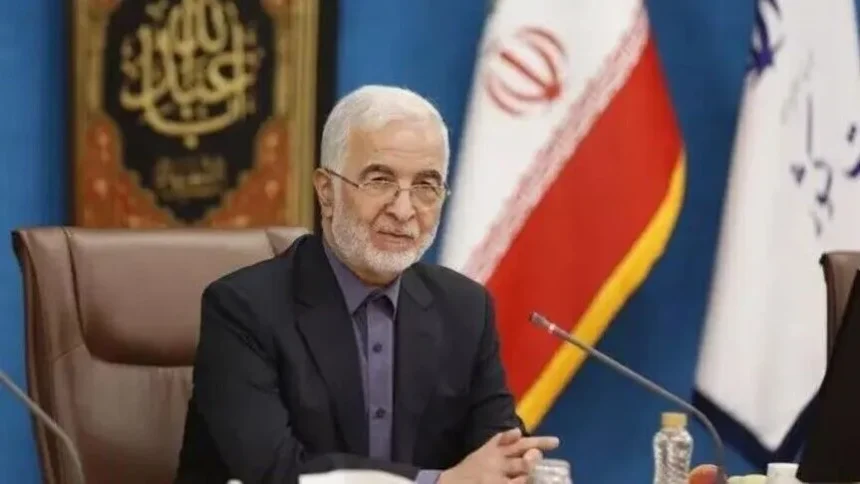
Iran’s Interior Minister Eskandar Momeni is leading a high-level delegation to Pakistan to boost bilateral cooperation, particularly in trade, amidst a backdrop of increasing regional instability. This visit underscores the countries’ focus on enhancing economic ties, with the aim of escalating annual trade from $3 billion to $10 billion.
Delegation Composition and Objectives
Momeni’s delegation is notable for its diversity, including representatives from various Iranian ministries: the Interior Ministry, Foreign Ministry, Ministry of Roads and Urban Development, Ministry of Agriculture, the Law Enforcement Command (FARAJA), and the Islamic Republic of Iran Customs Administration. This range reflects an intention to address multiple areas of cooperation—beyond trade—such as border security and transportation infrastructure.
The meetings scheduled during the stay in Islamabad will delve into strengthening border cooperation, vital for the smooth transit of goods and preventing illegal crossings. Other critical discussion points include agricultural development and economic ties, essential for improving living standards on both sides of the border.
Significance of Trade Enhancement
The directive from Iranian President Masoud Pezeshkian to ramp up bilateral trade highlights a significant shift in both countries, moving towards a more interconnected economic framework. This initiative aims not only for quantitative growth in trade but also aims to foster stability in a region afflicted by geopolitical tensions. The economic collaboration is particularly crucial given the backdrop of military confrontations in the area, especially following the coordinated military actions by the United States and Israel against Iran, which have led to increased Iranian tensions with neighboring states.
The emphasis on trade and cooperation comes at a critical time when nations in the region are seeking alternative pathways to bolster their economies amid external pressures and internal challenges. Establishing stronger trade links could pave the way for enhanced diplomatic relations and greater regional stability.
Why It Matters
This visit is particularly significant as it emphasizes the role of cooperation between neighboring countries in the face of external pressures. For the AI industry, developers, and users, the establishment of economic partnerships between Iran and Pakistan may lead to a more stable environment conducive to technological advancements and innovation. In times of uncertainty, economies that emphasize collaboration and investment tend to foster more robust environments for technological development, ultimately influencing the capabilities and outreach of AI systems in the region.
Frequently Asked Questions
What is the purpose of Eskandar Momeni’s visit to Pakistan?
The visit aims to enhance bilateral cooperation between Iran and Pakistan, focusing on increasing trade and strengthening border cooperation.
What are the expected outcomes of this bilateral meeting?
Expected outcomes include discussions on expanding economic ties, enhancing border security, and improving agricultural collaboration, with a target to raise annual trade from $3 billion to $10 billion.
How has regional instability impacted these discussions?
Regional instability, exacerbated by military actions from the U.S. and Israel against Iran, has heightened the urgency for both countries to strengthen their economic and security ties.
What will Momeni’s agenda include after Pakistan?
After Pakistan, Momeni is expected to attend the BRICS Meeting of Interior Ministers and Emergency Management Officials in New Delhi, where disaster risk reduction and regional cooperation in disaster management will be key discussion points.