
Summary
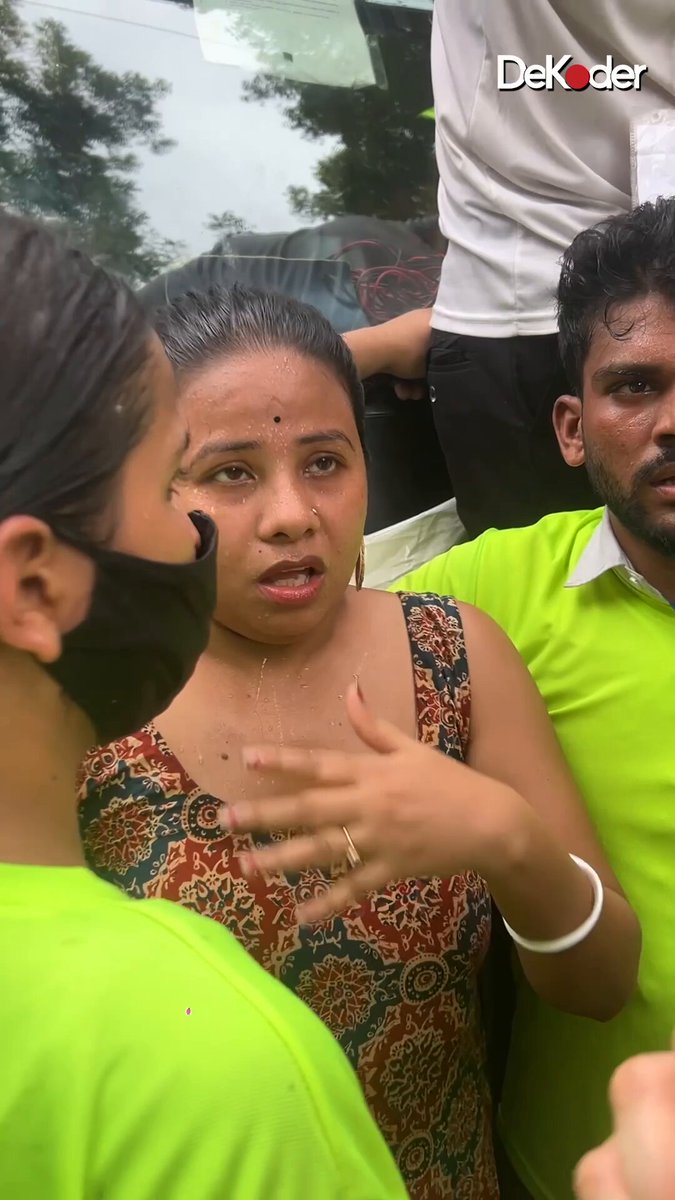
Parents are increasingly joining student-led protests in India, motivated by concerns about the future of education and the broader implications for their children’s well-being. A mother at a recent CJP protest articulated her desire for an improved education system, reflecting a common sentiment among participants regarding accountability and police responses during such demonstrations.
Context of the Protest
The recent protest at Jantar Mantar saw significant participation from both students and their parents, marking a new trend in Indian activism. The Central Joint Committee (CJP) organized the demonstration to raise awareness about critical issues plaguing India’s education system, including inadequate resources, lack of accountability, and the need for policy reforms. As societal pressures mount, the protest serves as a platform for individuals to voice their grievances regarding not only educational disparities but also the perceived neglect by the government.
Voices from the Ground
During the demonstrations, heartfelt testimonies echoed throughout the crowd. One mother articulated her motivations: “I want a future for my son where education empowers him, rather than stifles his potential.” This sentiment resonated with many, revealing the deep-rooted fears parents harbor about the quality of education their children receive. Other protesters shared their perspectives, highlighting a collection of diverse experiences that reflected the general discontent with government policies affecting education.
Many participants voiced concerns over police responses during the protests. Instances of heavy-handedness were reported, which contributed to a sense of urgency among demonstrators to hold authorities accountable. There was a palpable tension, with some participants noting that policing included not just physical presence but also an intimidating atmosphere that stifles free expression.
State of India’s Education System
The issues underscored during the protest are reminiscent of ongoing debates around the state of India’s education system. Critics argue that systemic failures in public education have led to a significant decline in quality and equity. Factors such as inadequate funding, outdated curricula, and insufficient teacher training continue to plague educational institutions across the nation.
Moreover, the pandemic exacerbated existing inequalities, pushing many students out of the education system entirely. These developments have ignited a call for change, with parents taking a stand alongside students to pressure the government for reform. The call for accountability extends beyond mere protests; it encompasses demands for comprehensive policy changes that prioritize the education and future of the next generation.
Why This Matters
The active participation of parents in student protests signifies a shift in the dynamics of activism in India. It highlights a growing recognition that educational policies have long-term implications not just for students but also for society as a whole. As the future leaders of the nation gather to voice concerns, it underscores the interconnectedness of education, governance, and civic responsibility.
The dialogue surrounding education reform is crucial, especially in a rapidly changing global landscape. Parent involvement in protests reflects a collective understanding that only a unified front can push back against governmental inertia. This could potentially lead to significant shifts in policy, ensuring that the needs of young learners are not just acknowledged but addressed decisively.
Frequently Asked Questions
What is the main goal of the protests?
The primary aim is to call for reforms in India’s education system, focusing on accountability, resource allocation, and ensuring quality education for all students.
How are parents involved in these protests?
Parents are joining students to express their concerns about the future of education and to advocate for a better system that benefits their children.
What has been the police response during these protests?
Participants have reported instances of heavy police presence and aggressive tactics, which has sparked further discussions about civil liberties and the right to protest.
Why should this issue matter to the broader Indian public?
The state of education impacts societal growth and development, making it a concern for everyone—not just students and parents. Effective education policies are fundamental for the future workforce and civic engagement in India.