
In the latest developments regarding protests in India, tensions have escalated into what is being labeled a “Clash” between security forces and demonstrators at Jantar Mantar. This event coincides with the ongoing Parliament March, highlighting the charged atmosphere in the capital.
Context of the Protests
The protests at Jantar Mantar represent a significant moment in recent Indian civic activism. Citizens, often backed by various social and political organizations, have been increasingly vocal about their demands, ranging from farmer rights to anti-corruption measures. This particular clash appears to revolve around escalating frustrations with the current government policies. The symbolic location of Jantar Mantar, known for hosting peaceful protests, reflects the long-standing tradition of dissent in the capital.
The Nature of the Clash
According to reports, the situation devolved when security forces attempted to disperse a crowd of protesters who were marching toward the Parliament with their grievances. The term “Clash” is used to describe the confrontation, suggesting a level of violence and hostility. Videos and broadcasts depict a chaotic scene, wherein demonstrators confronted law enforcement, leading to injuries and arrests. The authorities have not only increased their presence but have also been accused of using excessive force to maintain order. Such confrontations raise questions about the balance between maintaining public order and respecting civil liberties.
The Role of Media Coverage
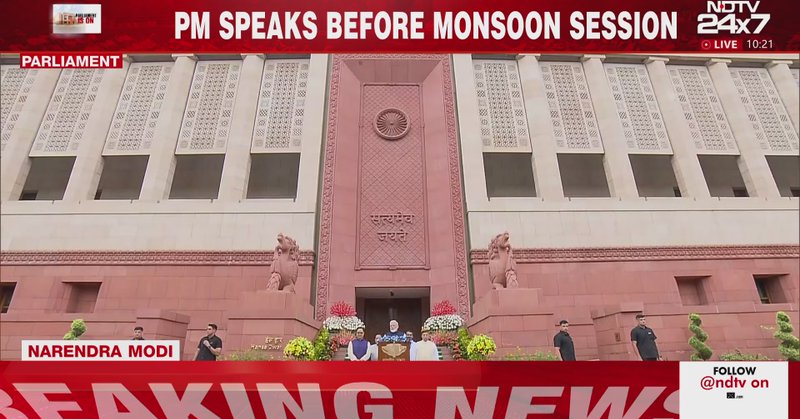
Media coverage, particularly from channels like NDTV, has focused on the unfolding events at Jantar Mantar, highlighting both sides of the confrontation. The portrayal of these protests is crucial in shaping public perception. While some outlets may frame it as a necessary enforcement of law and order, others underline it as a suppression of legitimate dissent. This variance in coverage can influence how citizens view the government’s actions and policies. The responsibility of the press to present balanced narratives is especially significant in a politically charged environment.
Why This Matters
This clash has broader implications for Indian politics, as it underscores the growing divide between the government and sections of civil society. The way authorities and media engage with protests can set precedents for how dissent is handled in future scenarios. Additionally, public reactions to such clashes can greatly influence impending elections and governance strategies, making it essential for both sides to navigate these confrontations carefully. It raises concerns about democratic freedoms and the right to protest in a nation that prides itself on being the world’s largest democracy.
Frequently Asked Questions
What led to the clashes at Jantar Mantar?
The clashes resulted from security forces attempting to disperse protesters who were concluding a Parliament March. Frustrations over government policies and previous grievances likely fueled the tensions.
What are the protesters advocating for?
The protesters represent various groups pushing for social justice, farmer rights, and accountability from the government. The specific demands often vary, reflecting broader discontent with current policies.
How has media coverage influenced public perception of the clash?
Media narratives can shape public opinion significantly. While some outlets portray the police actions as justified to maintain order, others emphasize the suppression of dissent, impacting how the public views the government’s response.
What are the potential consequences of such clashes for Indian democracy?
Such clashes could lead to a chilling effect on civil liberties, particularly the right to protest. They also may influence public trust in government institutions and impact future electoral outcomes.