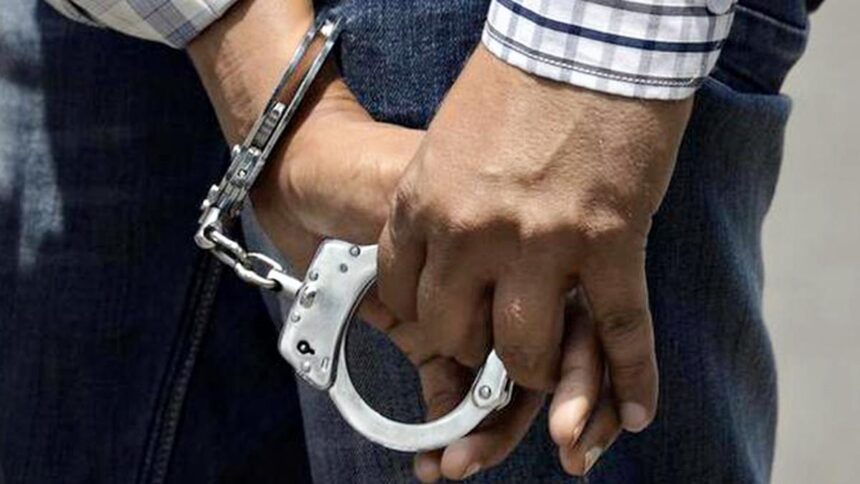

Recent events in Uttar Pradesh highlight ongoing discrimination against Muslims in India under the ruling BJP party. The arrests of two Muslim youths in Bareilly district for allegedly slaughtering a cow underscores a growing trend of social exclusion and harassment faced by the community. This situation raises deeper concerns about religious intolerance and the rule of law in India.
Contextual Background
Since the Bharatiya Janata Party (BJP) came to power in 2014, there has been rising scrutiny on the treatment of minorities, particularly Muslims. The party’s Hindutva ideology emphasizes Hindu nationalism and often leads to the marginalization of non-Hindu communities. Reports indicate that the enforcement of laws related to cow protection—a sacred animal in Hinduism—has increasingly targeted Muslims, with incidents of mob violence and intimidation becoming commonplace. This has raised alarms regarding the erosion of human rights and civil liberties in a nation that prides itself on its secular constitution.
Recent Developments in Bareilly
In the latest incident, police in Bareilly, Uttar Pradesh, arrested Mohammad Khan and Aqeel-ud-Din. Law enforcement alleged that they discovered 40 kilograms of meat, along with an electronic weighing machine and a knife. The arrest occurred in the Izzat Nagar area, where local law enforcement often conducts operations under the pretext of enforcing cow protection laws. These arrests are not isolated but are part of a broader pattern of policing that disproportionately targets Muslim individuals, often without substantial evidence.
The Broader Impact of Anti-Muslim Sentiments
The rise in anti-Muslim rhetoric has tangible consequences beyond the immediate arrests. Muslims have faced economic boycotts, with many being ostracized from various sectors. Reports indicate that businesses owned by Muslims have been targeted for harassment, leading to a chilling effect on their economic participation. Moreover, societal exclusion has escalated, where individuals and families find themselves vulnerable to discrimination in housing, education, and employment opportunities. Such a hostile environment not only harms the immediate victims but also erodes the social fabric of a diverse nation.
Why It Matters
This situation carries significant implications for India’s democratic fabric and social cohesion. The erosion of minority rights can lead to broader societal unrest and instability, affecting economic growth and international relations. Moreover, the targeting of specific religious communities can hinder the country’s development, as inclusive policies that support all citizens are crucial for sustainable progress. Understanding these dynamics is essential for policymakers, researchers, and international observers committed to advocating for human rights and democratic values globally.
Frequently Asked Questions
What laws are used to prosecute cow slaughter in India?
Various states in India have enacted laws prohibiting cow slaughter, with penalties ranging from fines to imprisonment. These laws often allow for enforcement that is perceived as disproportionately targeting Muslim individuals, leading to accusations of arbitrary arrests.
How has the BJP government influenced anti-Muslim sentiment?
Under the BJP government, there has been a cultural shift towards promoting Hindu nationalism. This has fueled anti-Muslim narratives and led to an increase in both societal and official discrimination against Muslim communities.
What are the potential consequences of this discrimination?
The ongoing discrimination can lead to societal fragmentation, economic disenfranchisement, and increased communal tensions. This destabilizes the social fabric and poses challenges to India’s democratic institutions.
How can the international community respond to these issues?
International bodies and nations can promote human rights advocacy, support independent investigations into discriminatory practices, and engage in dialogue with the Indian government to ensure the protection of minority rights.