
Summary
As the upcoming elections approach, discussions have resurfaced regarding the so-called ‘Kairana Exodus,’ a term first popularized during the 2016 Uttar Pradesh state elections. This narrative, which suggested a mass migration of Hindus from Kairana due to alleged violence by Muslim communities, has been thoroughly debunked by various news agencies, signaling a return to divisive politics ahead of the polls.
Background of the Kairana Exodus Narrative
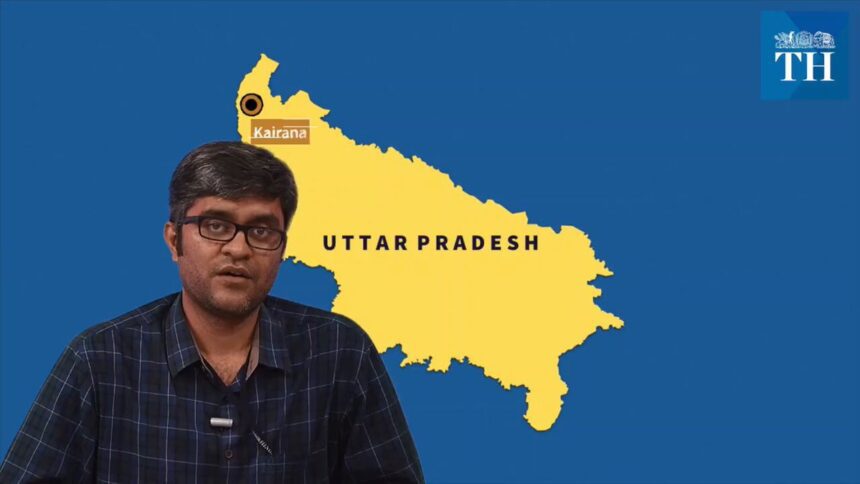
The ‘Kairana Exodus’ gained traction during the 2016 Uttar Pradesh elections, primarily propagated by leaders of the Bharatiya Janata Party (BJP) to paint a grim picture of law and order under the Samajwadi Party government. Reports claimed that a significant number of Hindu families had fled Kairana, a town in Shamli district, due to fear of violence from the local Muslim population. This narrative served to polarize voters along communal lines, leveraging fear to galvanize support for the BJP.
However, investigations and reports from credible news agencies refuted these claims. They pointed out that, while some families did leave because of personal reasons, the narrative of a mass exodus was exaggerated and sensationalized. These findings underscored the importance of responsible journalism and fact-checking in the political arena.
Current Political Climate and the Re-emergence of Old Rhetoric
With elections on the horizon, it is not surprising that the BJP has reverted to this entrenched narrative. In a recent tweet by Uttar Pradesh Chief Minister Yogi Adityanath, he labeled the opposition, mainly the Samajwadi Party and Congress, as followers of ‘Jinnah,’ aiming to frame them as anti-national and aligned with divisive ideologies. This tactic is not new; rather, it reflects a calculated strategy to create a clear dichotomy between ‘us’ versus ‘them’ within the electorate.
This pattern of invoking communal tensions is a recurring theme in Indian electoral politics, especially within states like Uttar Pradesh, where communal identities are often exploited to consolidate votes. By portraying the opposition as sympathetic to minority communities at the expense of Hindu safety, the BJP aims to secure its voter base and diminish the influence of its rivals.
Analysis of Political Statements and Their Implications
Statements made by political leaders often carry implications that go beyond mere electoral strategy. Yogi Adityanath’s characterization of opposition parties ties into a broader narrative that seeks to define national identity in a way that emphasizes Hindu majoritarianism. This tactic can entrench social divisions and escalate tensions in an already polarized environment.
The recurring mention of figures like Jinnah—a symbol of division in India’s history—serves to evoke strong emotional responses from the electorate. Such political rhetoric is strategically crafted to elicit fear and reinforce existing prejudices, making it easier to mobilize support along communal lines. The resultant atmosphere can lead to real-world consequences, including social unrest and further polarization.
Why This Matters
The reactivation of the ‘Kairana Exodus’ discussion is indicative of a broader strategy employed by political parties in India, particularly the BJP, to manipulate electoral narratives in their favor. For Indian readers, understanding this tactic is crucial, as it affects not only electoral outcomes but also societal harmony. The invoking of communal tensions can have lasting effects on inter-community relations and undermine efforts toward a more inclusive national identity.
Moreover, as the nation prepares for elections, the repetition of debunked narratives emphasizes the need for critical consumption of news and political discourse. Voters must discern between fact and propaganda to make informed decisions that reflect the true state of society rather than distorted political narratives.
Frequently Asked Questions
What was the ‘Kairana Exodus’ narrative about?
The ‘Kairana Exodus’ narrative suggested that a mass migration of Hindu families from Kairana was occurring due to communal violence from the local Muslim population. This claim was heavily used during the 2016 Uttar Pradesh elections.
Have the claims of the ‘Kairana Exodus’ been verified?
Multiple news agencies investigated the claims, finding them exaggerated. While some individuals left Kairana for various reasons, the assertions of a mass exodus were largely debunked.
Why is Yogi Adityanath referencing Jinnah in his political statements?
Adityanath’s reference to Jinnah is intended to paint opposition parties as anti-national and sympathetic to divisive ideologies. This is a strategic move to consolidate Hindu votes by framing the narrative as a struggle for national identity.
What are the potential consequences of communal rhetoric in politics?
Communal rhetoric can exacerbate societal divisions, lead to unrest, and negatively impact inter-community relations. It can also distort the electoral process by appealing to fear rather than rational discourse.