
Summary
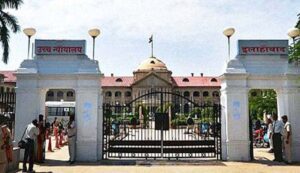
The Allahabad High Court has granted bail to Asharaf Khan, also known as Nisrat, who had been imprisoned since May 2025 for allegedly disseminating objectionable social media content directed at Indian Prime Minister Narendra Modi and the Armed Forces amid a military standoff with Pakistan. This decision underscores ongoing tensions surrounding freedom of speech in India, particularly concerning criticisms directed at government officials.
The Case Against Asharaf Khan
Asharaf Khan was arrested in May 2025 and charged under Sections 152 and 197 of the Bharatiya Nyaya Sanhita (BNS) for posting edited videos on social media platforms, particularly Facebook. The prosecution alleges that these posts included derogatory images of Prime Minister Modi and inflammatory slogans favoring the Pakistan Air Force. Charges stemmed from numerous visual edits, like one depicting Modi in a caricatured manner alongside Pakistan’s military, which aimed to invoke communal tensions.
The prosecution’s narrative emphasizes that Khan’s content could incite discord and unrest during an already volatile geopolitical climate. The court’s initial rejection of Khan’s bail plea in July 2025 reflected a stringent stance on what constitutes freedom of expression vis-à-vis acts perceived to endanger public order and morale.
The Court’s Rationale for Granting Bail
Justice Arun Kumar Singh Deshwal of the Allahabad High Court granted Khan bail after nearly 15 months in custody, arguing that the right to a speedy trial is fundamental. Despite charges being outlined as early as February 2026, the court revealed that no witnesses had yet been called to testify in the case, highlighting systemic delays within the Indian legal framework.
Moreover, the court noted that much of the viral content attributed to Khan was initially linked to a co-accused, Shahrukh Khan, who had secured bail previously. This parallel in judicial outcomes raises questions about equitable treatment within the justice system, particularly concerning defendants associated with politically sensitive cases.
Wider Implications for Freedom of Expression
The case of Asharaf Khan is emblematic of broader trends affecting marginalized communities in India, particularly among Muslims, who frequently find themselves at the receiving end of restrictive measures enacted by the state or influenced by rising nationalism. The ruling Bharatiya Janata Party (BJP) and associated right-wing groups, often labeled as Sangh Parivar, have been criticized for fostering an environment where dissent is heavily scrutinized and sanctioned through legislation that may infringe upon free speech.
In this context, Khan’s bail conditions prohibit him from sharing any material that could incite communal discord or disrespect constitutional figures, effectively capping his right to free expression while exposing him to potential penalties for violations. Such measures contribute to a more significant pattern of exclusion, entrenching perceptions of discrimination within various religious communities, particularly Muslims, at the hands of state policies.
Why It Matters
This case provides critical insights into the landscape of free speech in India. While the judiciary has, at times, protected individual rights, the political climate and prevalent nationalism influence how laws are applied. Young developers and content creators in India could feel discouraged from expressing views that critique the government or military due to fears of legal repercussions, potentially hampering open dialogue in society and adversely affecting the global perception of India as a democratic state.
Frequently Asked Questions
What were the charges against Asharaf Khan?
Asharaf Khan was charged under Sections 152 and 197 of the Bharatiya Nyaya Sanhita (BNS) for allegedly posting objectionable content on social media that targeted Prime Minister Modi and the Indian Armed Forces.
What did the court emphasize regarding the right to a speedy trial?
The Allahabad High Court emphasized that the right to a speedy trial is a fundamental right, noting that despite the charges being framed in February 2026, the trial court had yet to examine any witness even 15 months post-arrest.
What conditions were imposed on Khan upon his release?
Upon granting bail, the court imposed strict conditions prohibiting Khan from sharing any objectionable or prejudicial material on social media, particularly content that could promote separatist sentiments.
How does this case reflect broader societal issues in India?
This case highlights issues of discrimination and social exclusion faced by marginalized communities, especially Muslims in India, amid a political atmosphere characterized by rising nationalism and restrictive free speech policies.