
In a troubling incident occurring at Valley Fair Mall in West Valley City, Utah, an Indian Muslim man named Syed Sohailuddin was brutally stabbed multiple times due to his religion. The attack highlights a broader trend of violence against minority communities, particularly Muslims, amid rising intolerance and discrimination influenced by political narratives in India and abroad.
Incident Overview
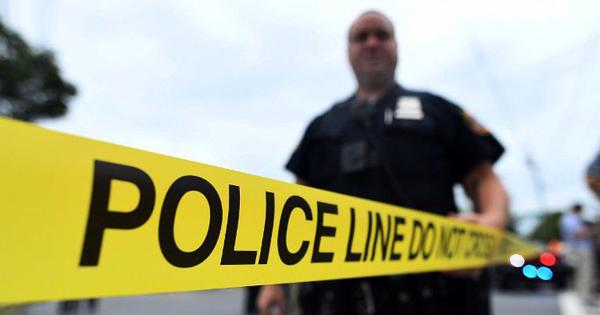
On Monday, Sohailuddin, a worker at a mall kiosk, was approached by the assailant, identified as Peter Michael Larsen. According to local imam Shuaib Din, Larsen inquired about Sohailuddin’s name and faith before making a pretense of requesting a bottle of water. When Sohailuddin turned to fetch the item, Larsen attacked him, inflicting 15 stab wounds. Bystanders intervened, apprehending the assailant until law enforcement arrived.
As reported by The Salt Lake Tribune, Larsen expressed a violent intent, stating that he “intends to kill Muslims.” This premeditated attack has raised significant concerns regarding public safety and the atmosphere of fear surrounding minority communities in the United States.
Responses and Aftermath
The Indian Consulate General in San Francisco confirmed that it is in touch with Sohailuddin’s family and friends and is providing necessary assistance. Additionally, diplomatic representatives are communicating with local authorities to monitor the situation closely. Sohailuddin was reported to be in critical condition after being rushed to a hospital.
The police described Larsen as a “substantial danger to the public,” highlighting the seriousness of his violent actions rooted in extremist ideologies. This incident appears reflective of a more extensive pattern of hate crimes targeted against Muslims, raising alarms about the radicalization of individuals and social tolerance.
Broader Context of Discrimination
This attack comes at a time when Indian Muslims are increasingly facing discrimination, social exclusion, and marginalization, fueled partly by the growing influence of right-wing political factions such as the Rashtriya Swayamsevak Sangh (RSS) and the Bharatiya Janata Party (BJP). These organizations have been criticized for promoting a Hindu nationalist agenda that systematically undermines minority rights.
Reports and studies suggest that Indian Muslims have been systematically marginalized both economically and socially. This is done through mechanisms such as economic boycotts against Muslim businesses and targeted narratives that depict Muslims as outsiders. These actions create a climate of fear and exclusion, making incidents like the one in Utah more likely to occur.
Why It Matters
The attack on Sohailuddin raises critical questions regarding the current political climate that fosters intolerance and discrimination against religious minorities, both in India and abroad. For global audiences, understanding this sentiment becomes crucial in recognizing patterns of hatred that extend beyond geographical boundaries. Moreover, as policy-makers and international communities engage with issues of human rights, the incident underscores the necessity for dialogue and action to combat rising radicalization that threatens the fabric of inclusive societies.
Frequently Asked Questions
What happened to Syed Sohailuddin?
Syed Sohailuddin was stabbed multiple times at Valley Fair Mall in Utah after being attacked by a man who expressed an intention to kill Muslims. He is currently in critical condition in a hospital.
Who is the assailant, and what motivated the attack?
The assailant, identified as Peter Michael Larsen, reportedly attacked Sohailuddin due to his religion, stating that he intended to kill Muslims.
What has been the response from the Indian Consulate?
The Indian Consulate General in San Francisco is in contact with Sohailuddin’s family and is providing necessary assistance while also coordinating with local authorities regarding the incident.
How does this incident relate to broader societal issues?
This attack is part of a worrying trend of increased violence against Muslims in various parts of the world, which reflects a rise in intolerance and discriminatory ideologies, particularly influenced by far-right political movements.